
Last updated November 18, 2026
 Hardwood
 Engineered hardwood
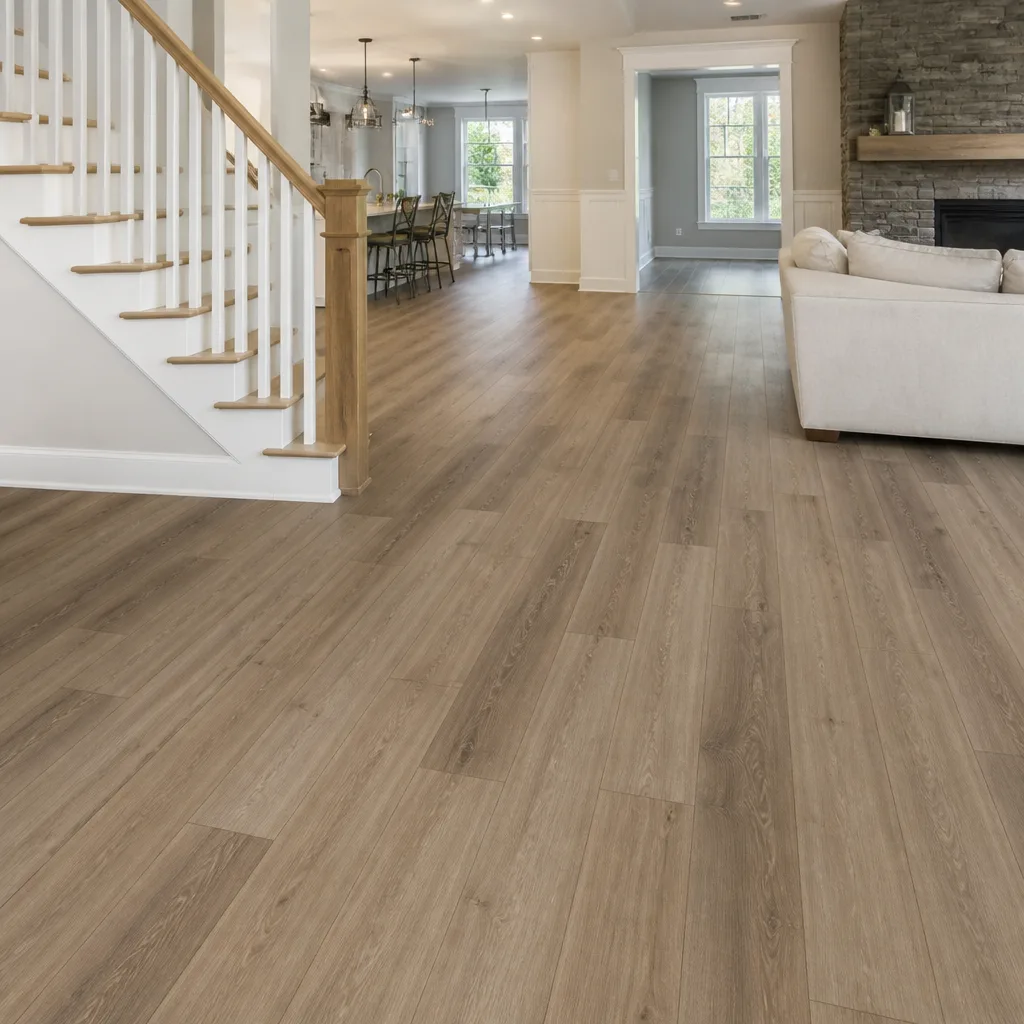 Luxury vinyl plank
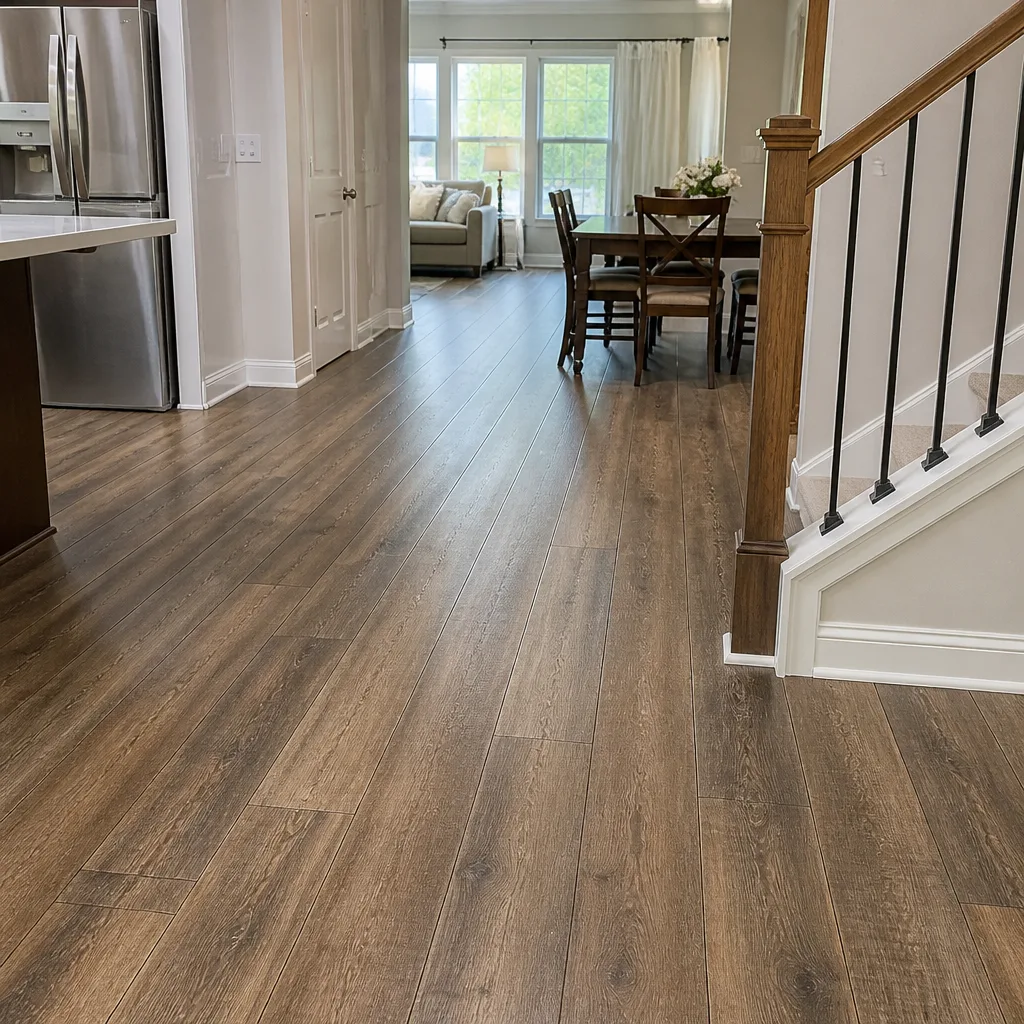 Laminate
 Porcelain tile
 Carpet
 Shaw
 Mohawk
 COREtec
 Pergo
Free in-home measure and written estimate: Shaw, Mohawk, COREtec and Pergo lines compared on your own rooms, with carpet, tile, vinyl plank, laminate and hardwood laid out side by side
Get your free estimateHow to Care for New Flooring: Hardwood, Vinyl, Laminate, Tile and Carpet
The number one cause of premature hardwood finish wear in Boulder City isn’t foot traffic. It’s the fine silica sand tracked in from the desert underfoot, working like sandpaper with every step. By the time you notice the dull patch near the entry, the damage is done, and no amount of mopping brings that finish back. Most care guides are written for a national audience with lawns, rain, and average humidity. You don’t live in that climate. This guide covers what actually protects a new floor in Boulder City: sand and grit management, dry-air humidity control for wood, hard-water mineral buildup on tile and grout, and the annual checkpoints that tell you when to refinish, reseal, or replace.
Quick Answer
Care for new flooring in Boulder City by managing desert grit first: a two-mat entry setup, vacuuming hard surfaces at least twice a week, and pH-neutral cleaning that leaves no film. Hardwood and engineered wood need indoor humidity kept in a moderate range because desert air drops below 20% RH and pulls moisture from the wood. Tile and grout need pH-safe cleaners to resist hard-water calcium. Vinyl and laminate need nothing harsher than a damp microfiber mop, and carpet needs regular vacuuming plus a plan for eventual replacement.
Styles & brands we work with
- Hardwood
- Engineered hardwood
- Luxury vinyl plank
- Laminate
- Porcelain tile
- Carpet
- Shaw
- Mohawk
- COREtec
- Pergo
Table of Contents
- Why Desert Sand and Grit Are Your Floor’s Biggest Enemy
- Humidity Management for Hardwood and Engineered Wood
- Hard Water, Tile, and Grout in Boulder City
- Caring for Luxury Vinyl Plank the Right Way
- Laminate Care in a Dry, Dusty Climate
- Carpet Care: Vacuuming, Stains, and When to Replace
- The Annual Maintenance Checklist for Every Surface
- Common Mistakes to Avoid
Why Desert Sand and Grit Are Your Floor’s Biggest Enemy
In Boulder City, the dust that settles on a porch or driveway is mostly fine silica. It’s abrasive. When it gets tracked inside and ground under a shoe, it scuffs finishes, dulls grout lines, and micro-scratches the wear layer on vinyl. The damage is cumulative and mostly invisible until a floor that looked new starts to look tired. Prevention is cheaper than any repair, and it starts at the door.
A single welcome mat is not enough. What works is a two-stage entry: a coarse outdoor mat that catches the bulk of grit, and an indoor mat with a microfiber or textured surface that traps the fine particles the first mat misses.
Beyond the mats, the tool matters. In our experience, a vacuum with a hard-floor head and a soft brush is more effective at lifting grit from the surface than a broom, because a broom pushes fine sand into the joints and along baseboards instead of removing it. On hard surfaces, vacuum at least twice a week. More often if you have pets, kids, or a home near open desert.
- Entry setup: a coarse outdoor mat plus an absorbent indoor mat at every exterior door.
- Vacuum frequency: two to three times weekly on hard floors; more during windy season.
- Doormats: shake them out weekly, since a loaded mat stops trapping grit.
- Shoes: a shoe-removal habit at the main entry is the single biggest protection for new hardwood.
Grit matters most on Flooring Boulder City hardwood because the finish is what takes the wear. Sand underfoot removes a thin layer of finish with every step, and once the finish is gone, moisture gets into the wood itself. Keeping grit off the surface is how you extend the years before a refinish.
Humidity Management for Hardwood and Engineered Wood
Wood moves with the air around it. When indoor humidity is too low, boards lose moisture and shrink, which opens gaps between planks and can stress the finish along the seams. Boulder City’s desert air routinely drops below 20% RH, especially in the driest months. That’s a lower reading than most national care guides assume, and it’s why a humidifier is often part of keeping a wood floor stable rather than a luxury.
What you want is a moderate, steady indoor humidity level, and a basic hygrometer is cheap enough to take the guesswork out. Aim for consistency. Wood dislikes swings more than any single number. A whole-home or room humidifier that keeps the air steady through the dry season protects the floor the way a humidifier protects furniture and woodwork across the home.
Some rooms need more than others. A wood floor near a south- or west-facing window takes more heat and dry air in the afternoon, so plan for a humidifier in the rooms where you spend the most time and where the sun hits the floor directly.
- Get a hygrometer. Knowing the number beats guessing. Watch it through the dry months.
- Keep the air steady. A humidifier that runs consistently is better than turning it on and off.
- Watch the gaps. Small seasonal gaps can be normal; wide, persistent gaps mean the air is too dry.
- Protect from direct heat. Close blinds on the harshest afternoon sun to limit drying on exposed boards.
Engineered wood and hardwood handle low humidity differently depending on how they’re built and how the planks were made. If you’re choosing between products, our Boulder City team can walk you through how each option behaves in dry desert air before you commit.
Hard Water, Tile, and Grout in Boulder City
If your tile shows a chalky film or your grout looks dull faster than you’d expect, the water is likely the cause. Boulder City’s municipal water carries minerals, and when that water sits on tile or seeps into grout and dries, it leaves calcium behind. Over months, those deposits build into a hard, milky film that ordinary mopping won’t lift.
The fix is a pH-safe, mineral-focused approach. A pH-neutral floor cleaner handles routine cleaning. For heavier mineral film, a cleaner formulated to dissolve calcium will work better than an all-purpose spray. What you don’t want is a routine of harsh acids or strong all-purpose degreasers, because those can etch the surface and eat at grout over time.
There’s also a dry-and-seal strategy that matters here. Grout is porous, so sealing it gives the minerals less to grab onto and makes routine cleaning easier. That’s a maintenance step, not a one-time task. Resealing needs to be part of the annual rhythm for any tiled room that sees water.
- Routine cleaning: a pH-neutral cleaner, used with a damp mop and clean water.
- Mineral film: a calcium-focused cleaner for hard-water buildup; test on an inconspicuous spot first.
- Grout sealing: plan on resealing grout as part of annual maintenance, and reapply when water no longer beads on the grout.
- Water spots: dry a wet floor rather than letting it air-dry on tile; that’s how calcium deposits start.
Tile choices from a manufacturer like tile flooring installation product lines matter too, because glazed porcelain and ceramic surfaces are typically easier to clean than unglazed options. The right product plus pH-safe cleaning is what keeps a tiled bathroom or kitchen looking new in a hard-water town.
Caring for Luxury Vinyl Plank the Right Way
Luxury vinyl plank is popular in Boulder City for a reason: it’s water-resistant, tough under grit, and forgiving of pets and kids. COREtec and LifeProof LVP both hold up well. But “tough” doesn’t mean “immune.” The wear layer is the clear top coating that protects the design underneath, and certain products can degrade it over time.
What harms a wear layer? Solvents, ammonia-based cleaners, and abrasive scrubbing pads are the usual culprits. They can dull the finish or make the surface slightly tacky, and while the floor may look fine for months, the damage shows up later as a dull haze you can’t polish away. That “looks fine” phase is exactly when habits matter most, because it’s easy to assume the floor is invincible and reach for whatever spray is closest.
Water-resistant isn’t the same as waterproof, and it’s worth being clear on that. A spill cleaned up quickly is fine. Standing water that sits, or moisture coming up from below the subfloor, still has to be dealt with. Where the floor meets a dishwasher or under a sink, check for leaks and dry up any standing water promptly. For routine cleaning, a damp microfiber mop with a pH-neutral cleaner is all you need.
- Sweep or vacuum the grit off before you mop, so you’re not pushing sand across the surface.
- Use a pH-neutral cleaner with a damp, not wet, microfiber mop.
- Dry up spills promptly; don’t let water sit.
- Skip steam mops and ammonia or solvent sprays that can damage the wear layer.
- Watch for moisture near sinks, dishwashers, and exterior doors.
LVP options like COREtec and LifeProof from carpet installation product families give you a durable foundation, but the care habits you keep are what make it last in a dusty desert home.
Laminate Care in a Dry, Dusty Climate
Laminate has a wear surface and a core, and in a dry climate both benefit from steady habits. The care basics are simple: sweep or vacuum grit daily, mop with a damp microfiber head and a pH-neutral cleaner, and never flood the floor. Laminate doesn’t like standing water any more than LVP does, and water that reaches the seams under the planks is the most common way a laminate floor gets ruined.
The dry-air issue matters here too. Laminate cores can be affected by extreme swings in humidity, so the same steady-indoor-air discipline that protects hardwood helps laminate stay stable. Gaps between planks, squeaks, or edge swelling are usually a sign of moisture or humidity problems, not a cleaning issue, and they’re worth taking seriously early.
Sand and grit management carries over exactly. A broom that pushes sand between the planks is worse than a soft-brush vacuum that lifts it. Keep the mats at the door, vacuum before mopping, and handle spills quickly rather than letting them soak in. With good habits, laminate stays presentable for a long time in a Boulder City home.
Carpet Care: Vacuuming, Stains, and When to Replace
Carpet is where dust, grit, and pet hair collect fastest, and it’s also the surface where care habits make the widest difference. In a desert home, a synthetic carpet takes a beating from fine dust that works into the fibers and compresses them under furniture and traffic paths. Vacuuming is the single most important habit, and it needs to be frequent.
Stain care is straightforward if you handle it well. Blot, don’t rub, and follow the manufacturer’s recommended cleaners, especially for wool or solution-dyed carpet. Rubbing works a stain deeper into the fibers. For the yearly step, a professional-level deep clean resets the carpet and lifts what a home vacuum leaves behind.
Carpet brands from Shaw, Mohawk, and Mannington hold up well in a busy home, but eventually wear is wear. Here’s how to know when to replace rather than repair:
- Traffic-path flattening that no longer recovers after a deep clean.
- Persistent staining in high-traffic areas that keeps coming back after cleaning.
- Fraying at seams or an edge lifting, which is a repair issue before replacement.
- Padding wear that leaves the carpet feeling thin or hard underfoot.
- Pet damage or odor that cleaning can’t resolve.
If the backing is intact and the wear is mostly surface, a deep clean is worth it. If the fibers have worn down or the padding is compressed, replacement makes more sense than another round of cleaning.
The Annual Maintenance Checklist for Every Surface
Every floor benefits from an annual checkup. Walk each room with this list and you’ll catch small issues before they turn into expensive ones. The threshold for a full refinish on hardwood depends on how thick the wood is and its condition, so a professional can check it during a free estimate. Grout resealing is a recurring step, not a one-time job. Here’s the annual rhythm we recommend.
- Hardwood: check the finish in high-traffic areas for dullness and light scratching. If the finish has worn through in spots, it’s time to talk about refinishing. Check for seasonal gaps and confirm indoor humidity stays steady through the dry months.
- Engineered wood: inspect edges and seams for lifting or swelling, and keep soft mats in high-traffic spots to protect the finish.
- Tile and grout: test a wet fingertip on the grout; if water no longer beads, it’s time to reseal. Watch for calcium film and treat it with a mineral-focused cleaner.
- LVP and laminate: check for dulling on the wear layer and look for water damage near sinks and doors. Replace any mat that’s no longer trapping grit.
- Carpet: plan a deep clean, inspect seams and edges, and check traffic paths for wear that no longer recovers.
- All surfaces: refresh entry mats, check door sweeps for gaps that let dust in, and spot-check under heavy furniture for finish wear.
When the annual check points to a refinish on hardwood, refinishing is usually the value-first choice over full replacement. It restores the finish and extends the life of the wood you already have. Our team at Flooring Boulder City installs and refinishes under one contractor, so you’re not coordinating two separate jobs for a whole-home update.
Common Mistakes to Avoid
- Relying on one doormat. A single mat lets fine desert sand ride in on shoes. Use a coarse outdoor mat plus an indoor mat at every entry.
- Using an all-purpose cleaner on tile and grout. In a hard-water town, that can leave a film and doesn’t touch calcium buildup. Use a pH-neutral or mineral-focused cleaner instead.
- Steam-mopping LVP and laminate. Steam and excessive water can reach seams and damage the core. A damp microfiber mop is enough.
- Ignoring indoor humidity. Desert air that drops below 20% RH pulls moisture from wood floors. A steady humidifier habit prevents gaps and finish stress.
- Waiting until the floor looks damaged. Sand does its work invisibly. Vacuuming and mat upkeep keep the surface protected long before you’d notice a problem.
- Rubbing carpet stains. Rubbing works the stain deeper. Blot and use the manufacturer’s recommended cleaner.
- Skipping the annual checkup. Grout resealing, humidity checks, and finish inspection catch small issues before they need replacement.
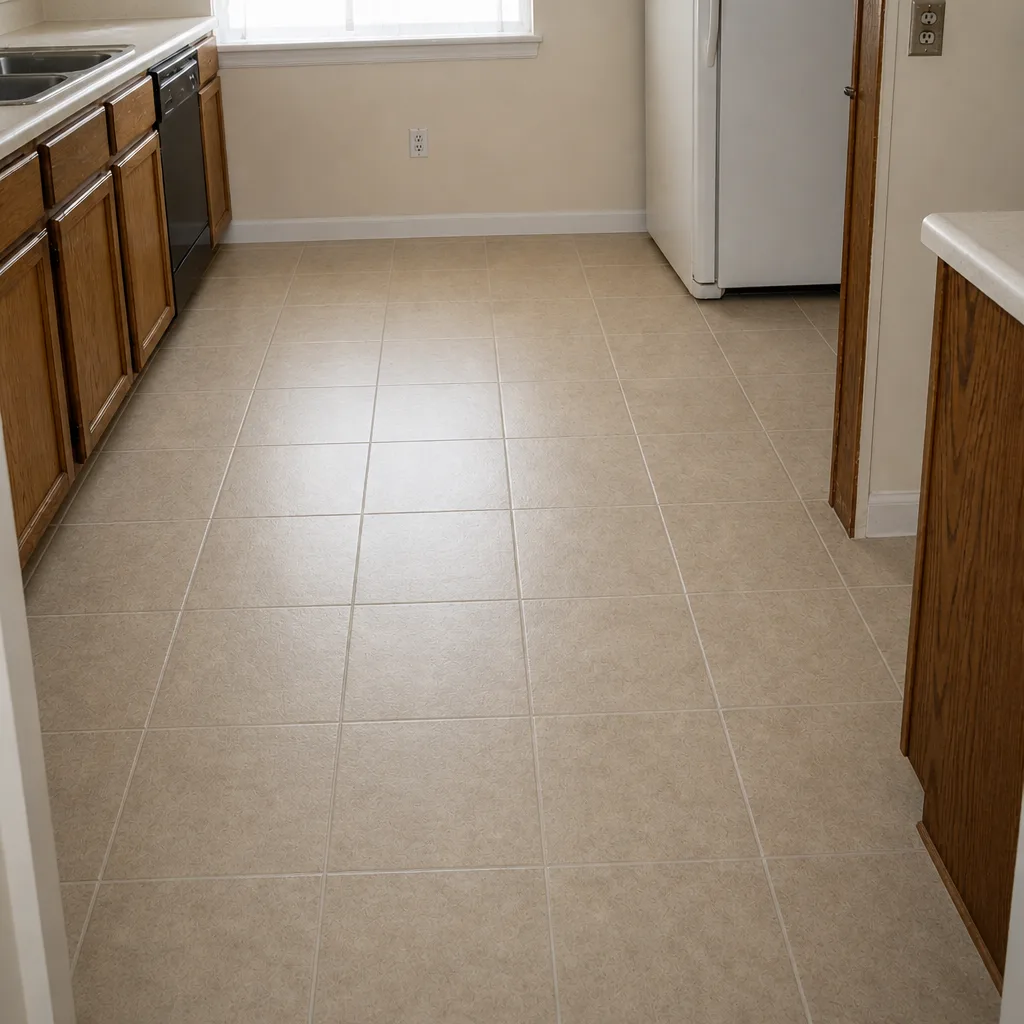
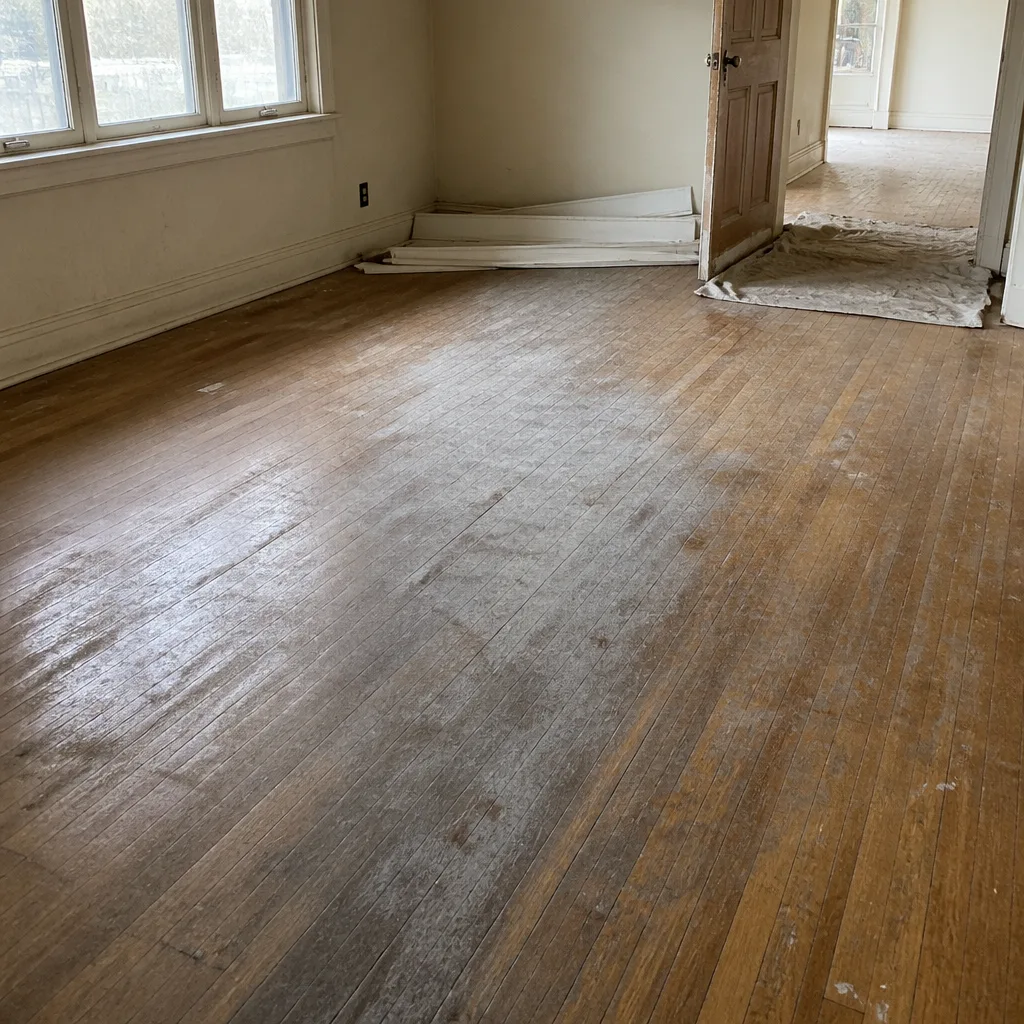
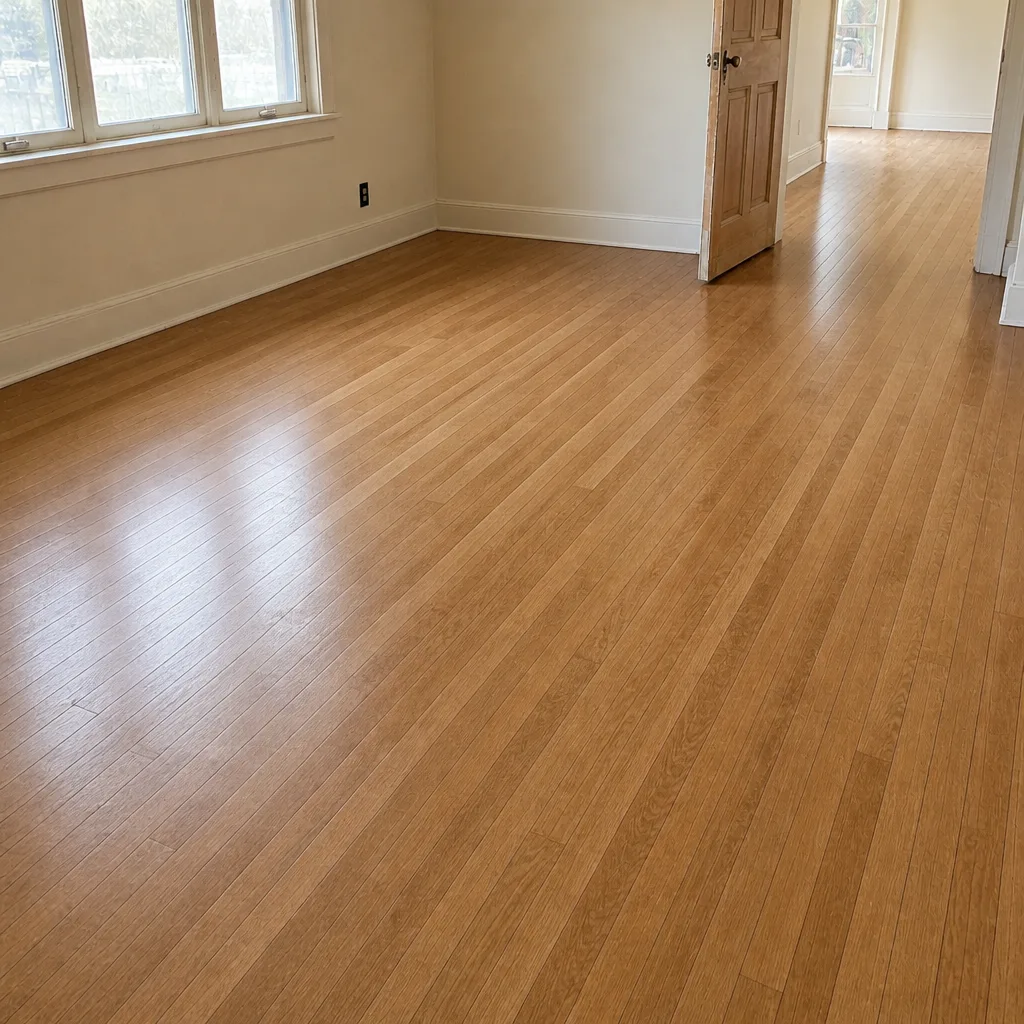
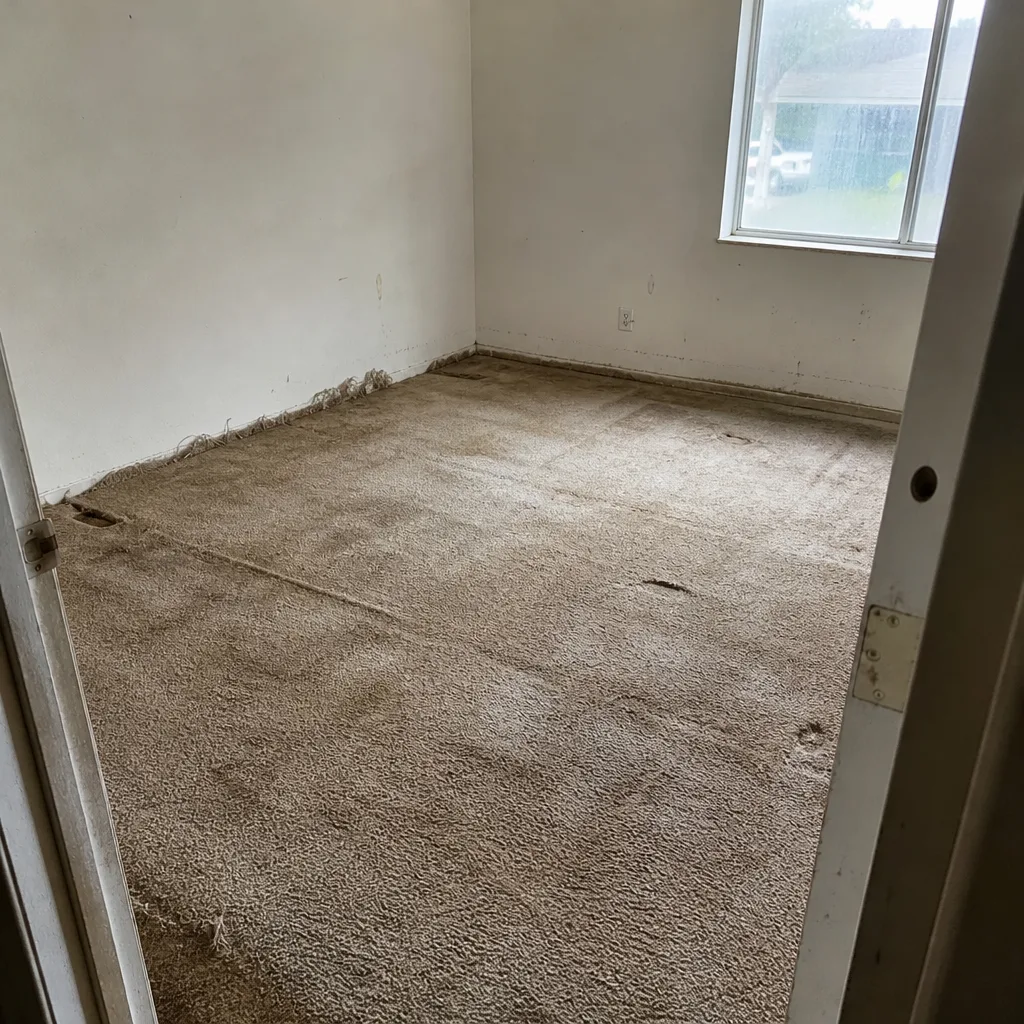
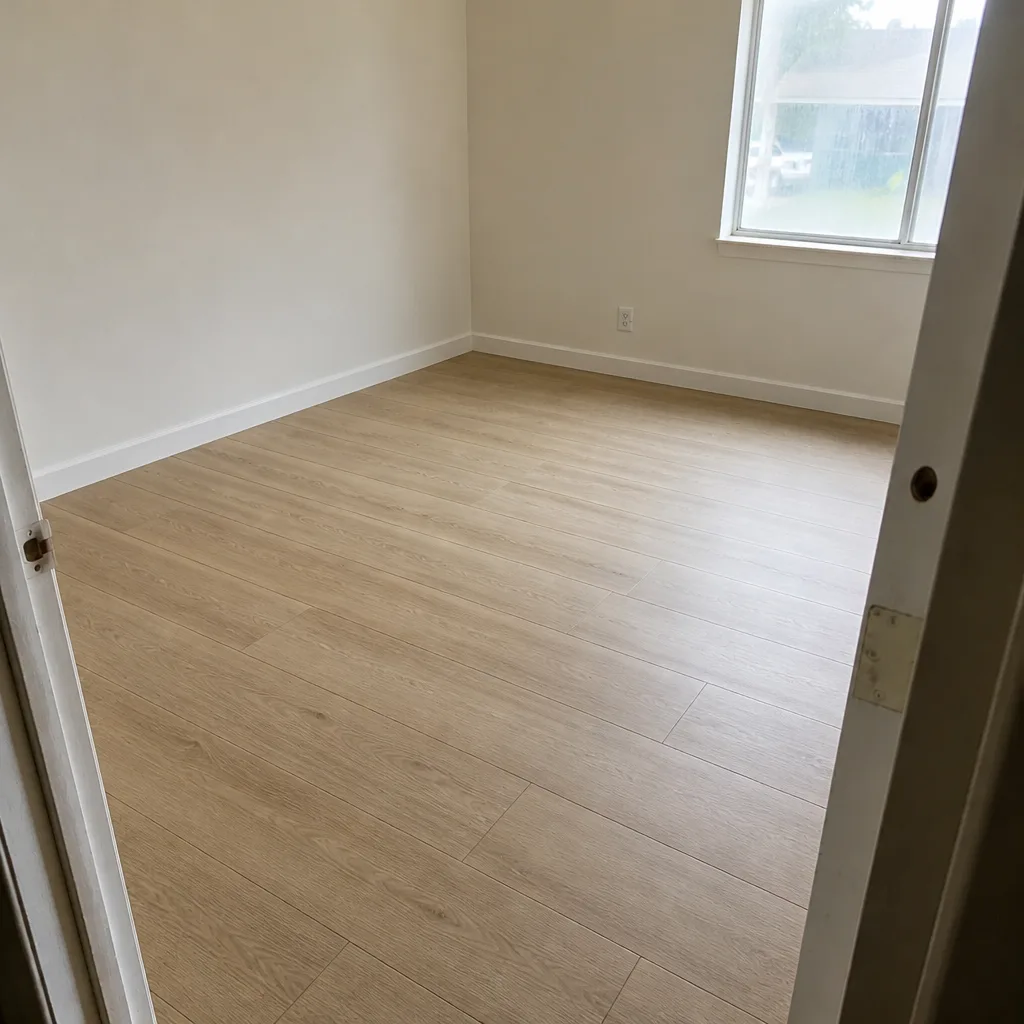
See the difference
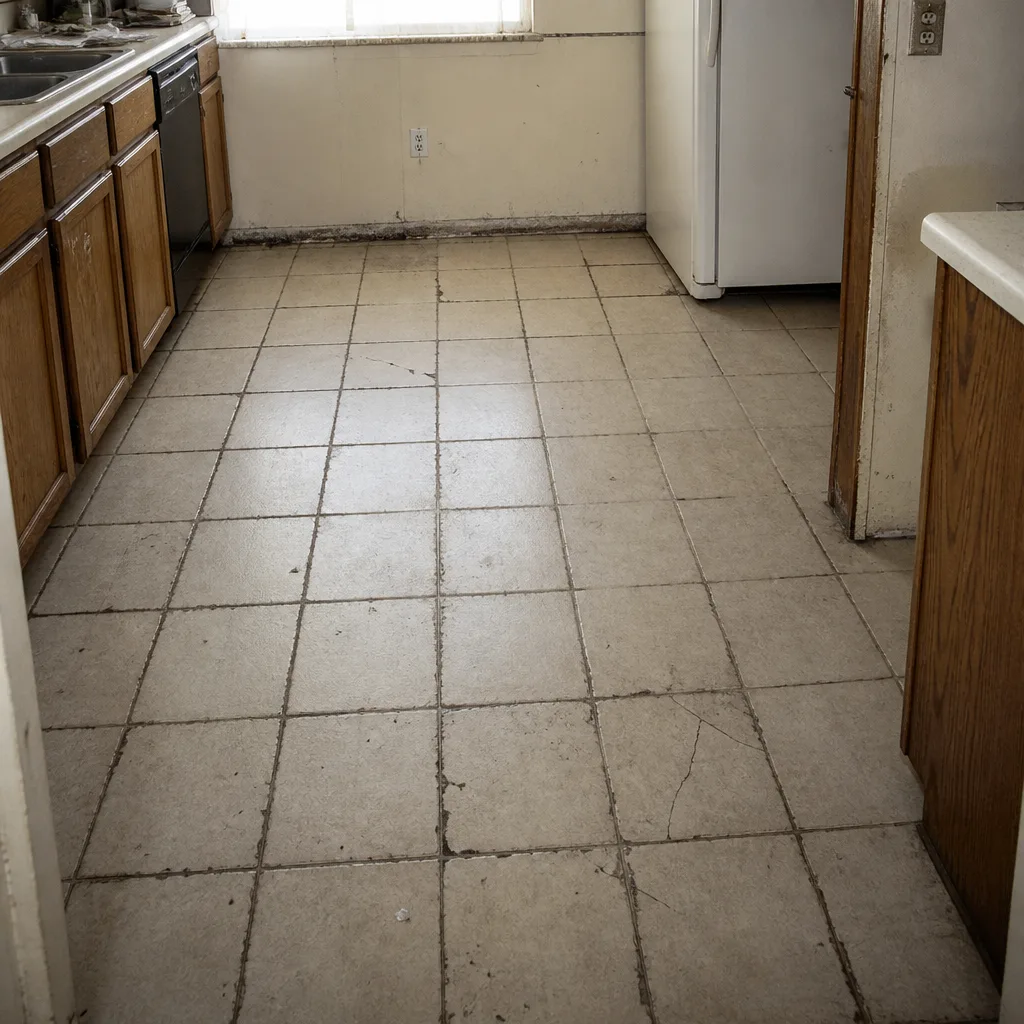 Before
 After
 Before
 After
 Before
 After
When to Call a Professional
Some care is a homeowner’s job and some isn’t. Call in a professional when the finish on hardwood has worn through in traffic paths, because a refinish is a skilled job and you don’t want to sand too deep. Call when tile grout has deep staining or crumbling that routine cleaning won’t fix, and when a laminate or LVP floor shows lifting, swelling seams, or water damage near a sink. Call when carpet has persistent stains, seam failure, or flattened traffic paths that no longer recover after a deep clean. If you’re not sure whether to refinish or replace, a free estimate with a flooring specialist settles it. Your product instructions and the written estimate set the exact care and installation details for your floor. If you’re comparing products, our team works with Shaw, Daltile, Karndean, and other lines, so you can see how each holds up in a dry climate before you commit.
Flooring Boulder City offers free estimates in Boulder City. Call (833) 842-8455 to schedule one.
Frequently Asked Questions
At least twice a week, and more often during windy season or in homes near open desert. Fine silica sand is the main enemy of hard surfaces here, and frequent soft-brush vacuuming lifts it instead of pushing it into joints and along baseboards.
Often, yes. Desert air regularly drops below 20% RH, and wood loses moisture and shrinks in that dry air. A humidifier that keeps indoor humidity steady protects the finish and limits seasonal gaps. Call (833) 842-8455 for a free estimate if you’re unsure about a refinish.
A pH-neutral routine cleaner for regular use, and a calcium-focused cleaner for mineral film, tested on a spot first. Avoid harsh acids and strong degreasers that can etch tile and eat at grout. Resealing grout is part of keeping minerals from taking hold; call us for a free estimate on tile care.
No. Use a damp microfiber mop, not a wet one, and avoid steam mops and ammonia or solvent cleaners that can degrade the wear layer. Water-resistant isn’t waterproof, so dry up standing water promptly. Call (833) 842-8455 for a free estimate if you need LVP installed or inspected.
When the wood is thick enough and in good enough shape to take a sanding and a new finish, refinishing brings a worn floor back. Whether it’s possible depends on the thickness of the wood and its condition, which a specialist checks at the estimate visit. Call (833) 842-8455 to schedule a free estimate.
Replace when traffic paths stay flattened after a deep clean, stains keep returning, seams are failing, or padding has compressed. If the damage is surface wear, a deep clean still makes sense. Call us for a free estimate on carpet replacement in Boulder City.
The Bottom Line
Floor care in Boulder City comes down to three desert-specific habits: catch the grit at the door, keep the indoor air from drying out wood floors, and clean tile and grout with pH-safe products that resist hard-water minerals. Beyond that, vinyl, laminate, and carpet each have a simple routine. The annual checklist is your early-warning system: it tells you when to reseal grout, refresh a humidifier, refinish worn hardwood, or replace carpet that’s past cleaning. Get the habits right and a new floor lasts years longer. Call (833) 842-8455 for a free estimate. We answer 24/7. Fast dispatch from 7am to 7pm, Sunday through Friday.
Written by the team at Flooring Boulder City.