
Last updated November 18, 2026
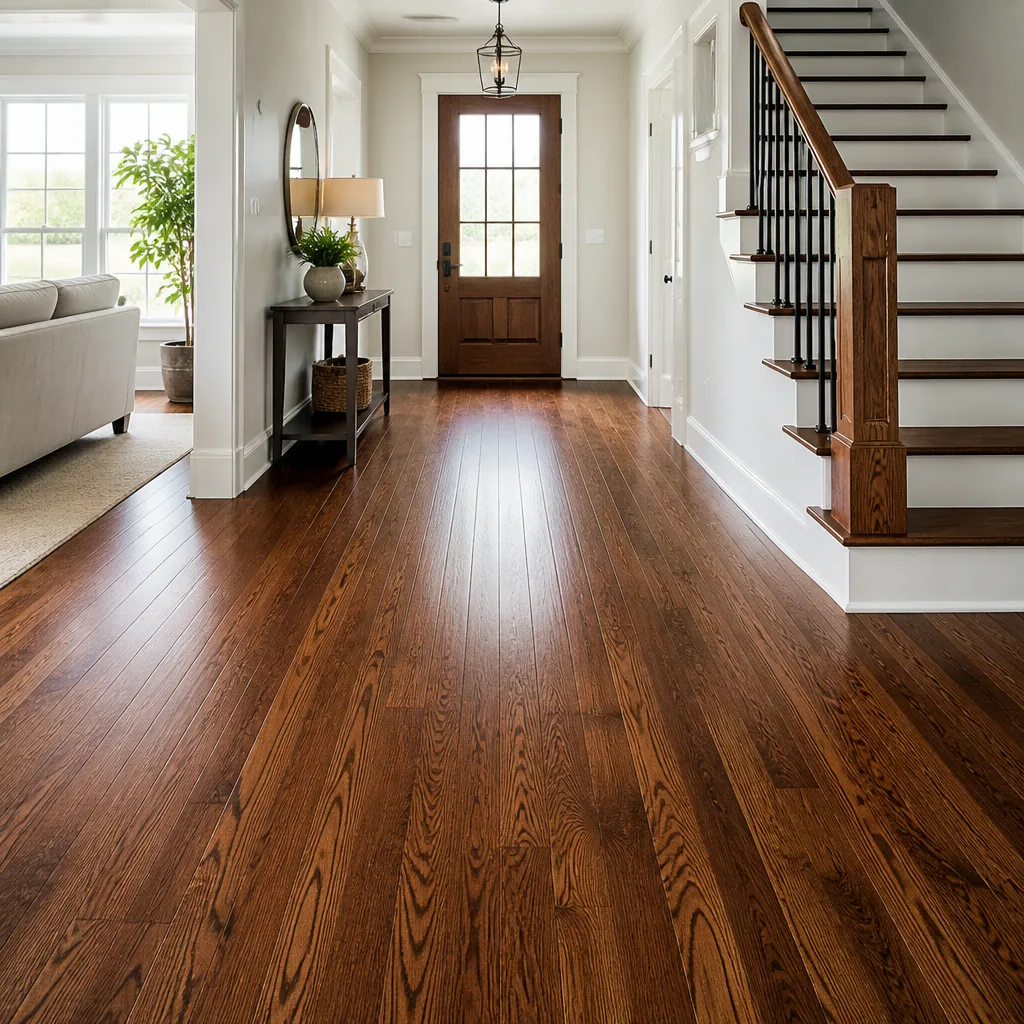 Hardwood
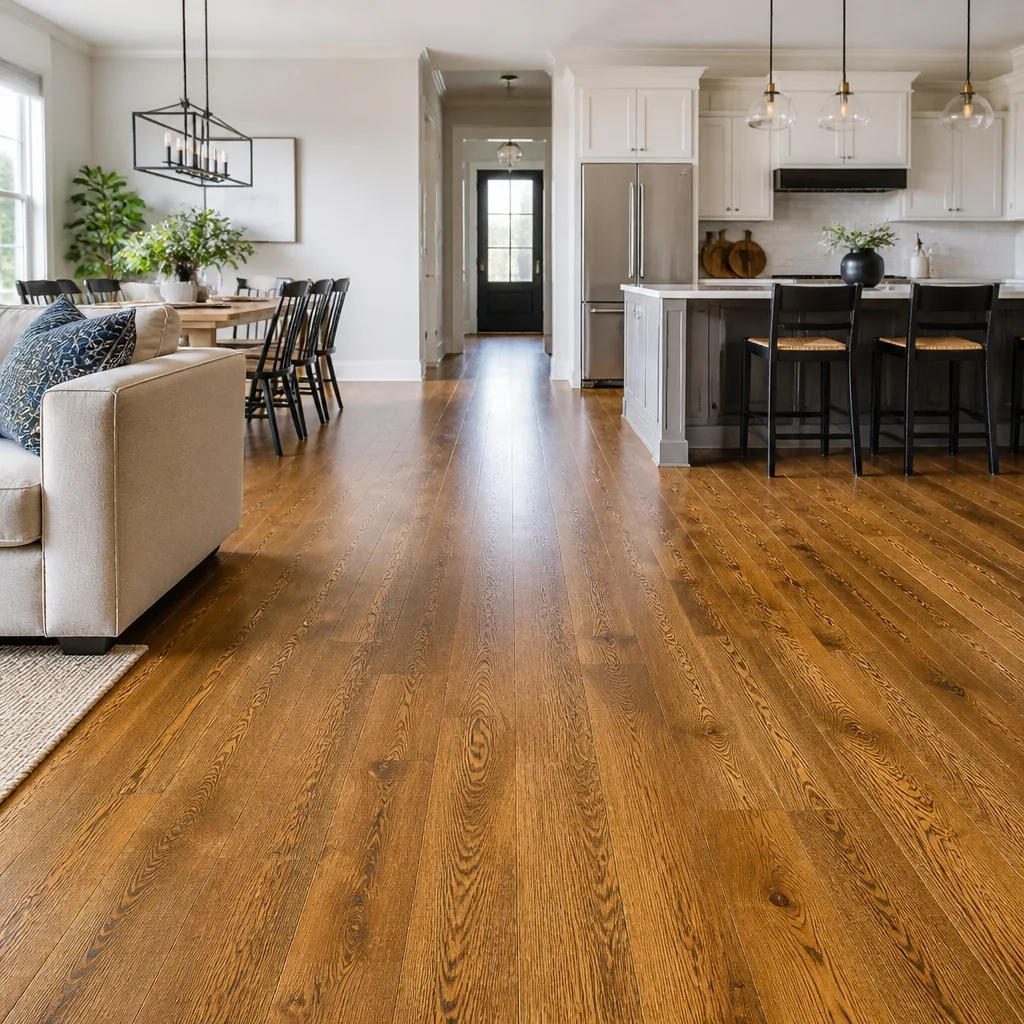 Engineered hardwood
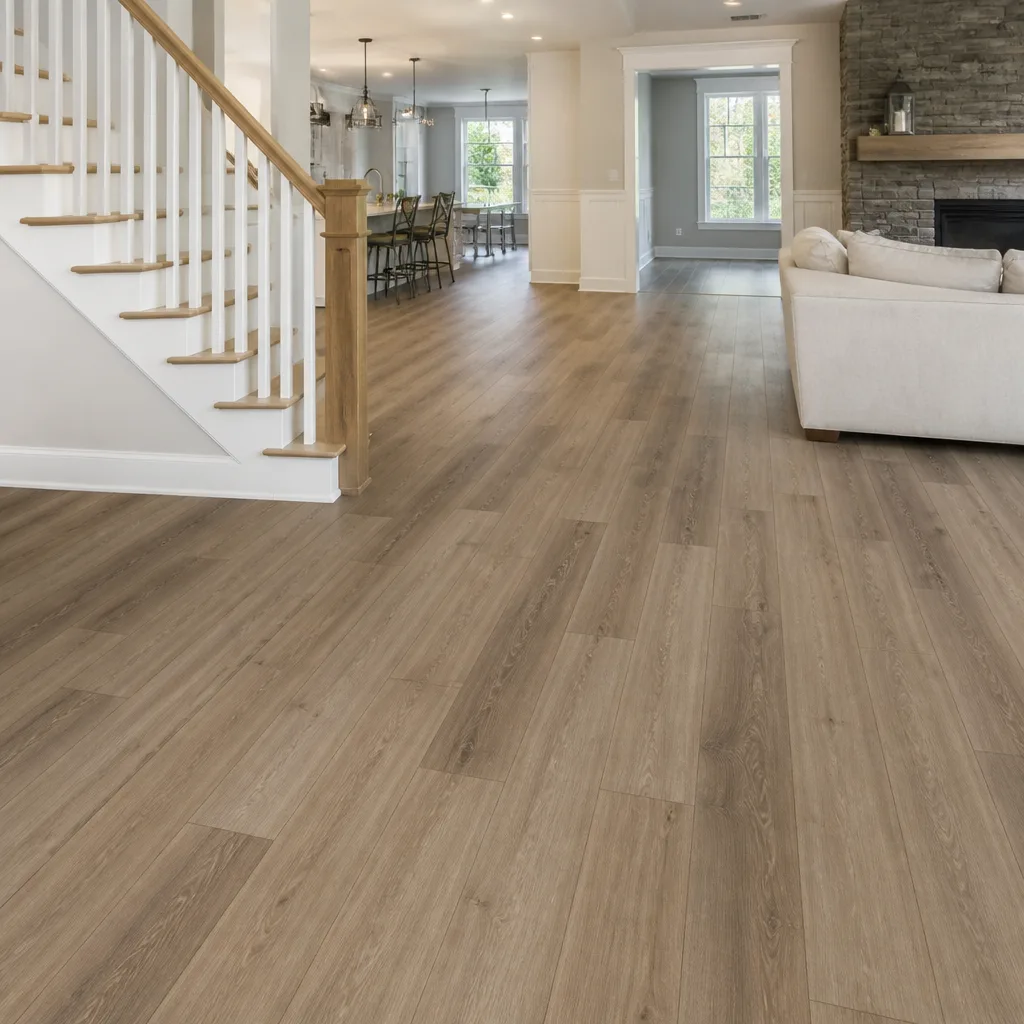 Luxury vinyl plank
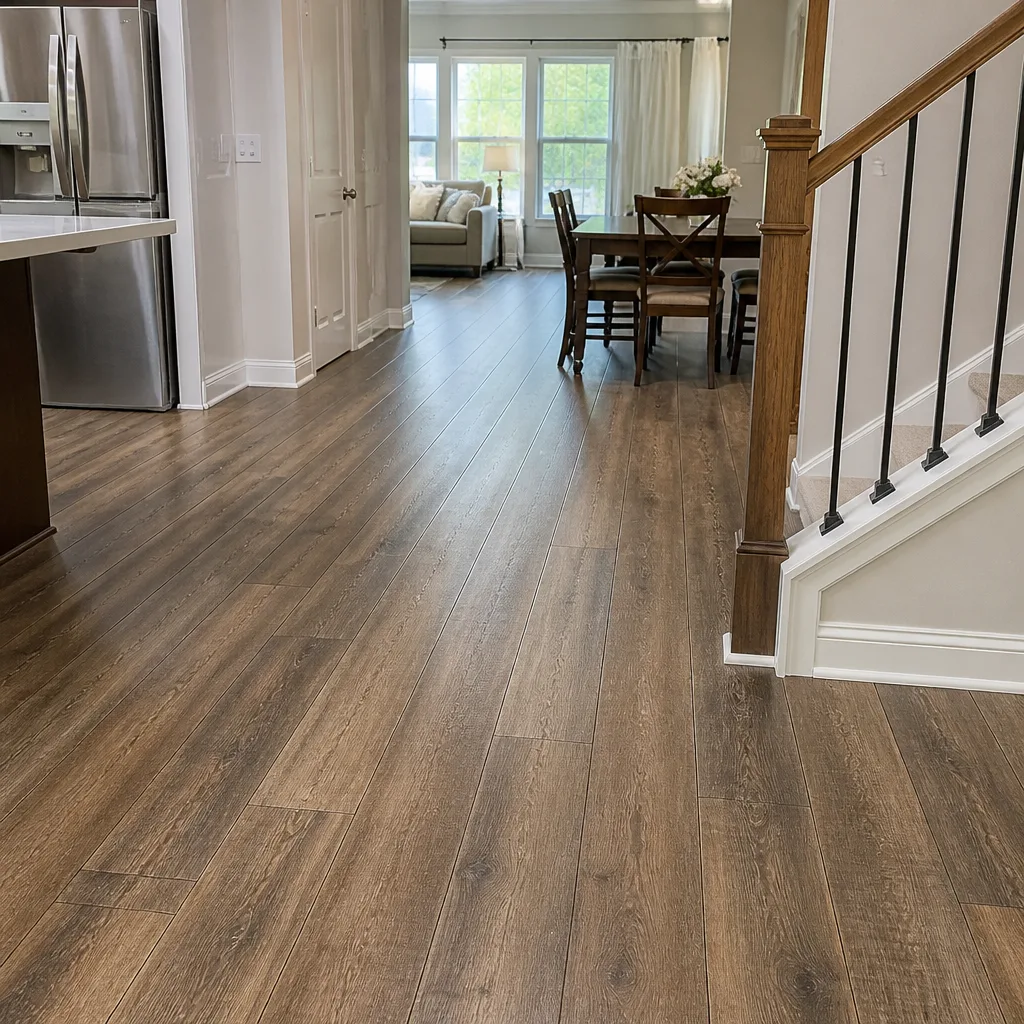 Laminate
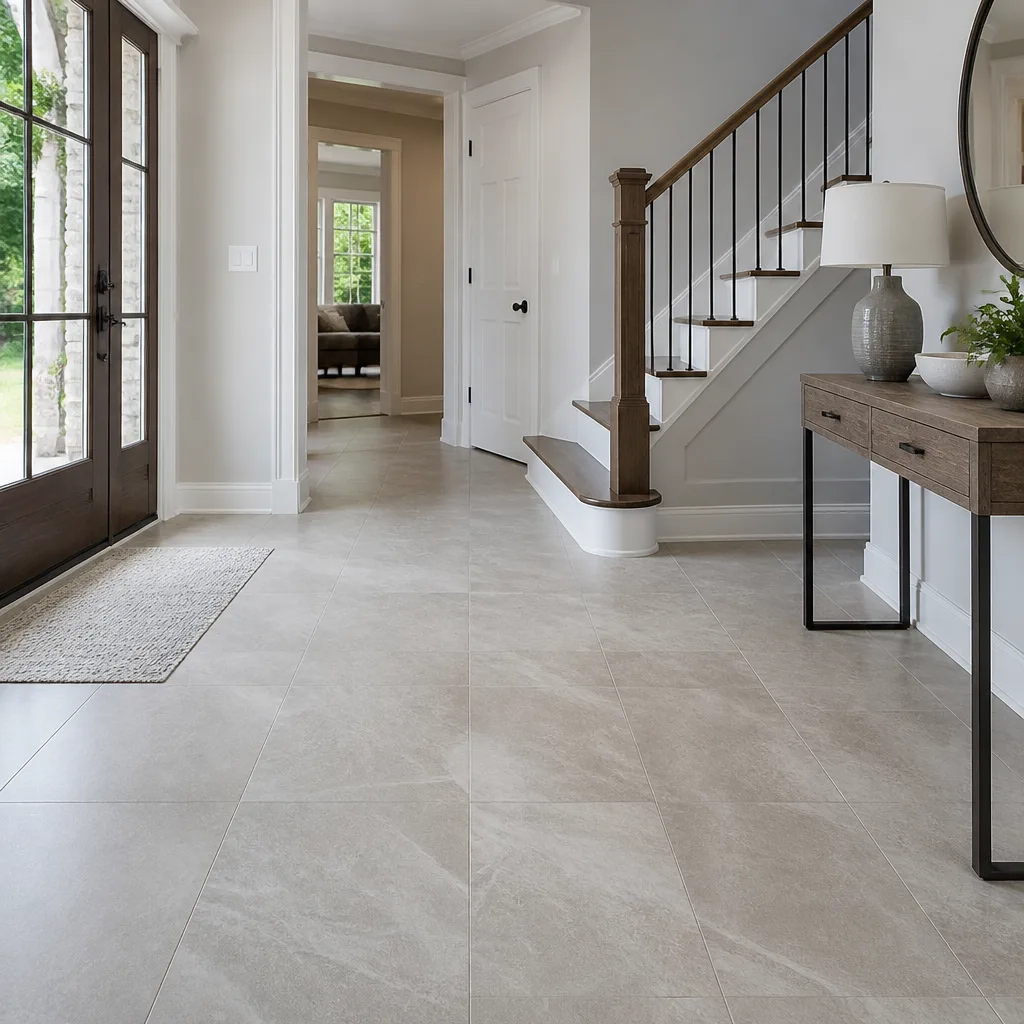 Porcelain tile
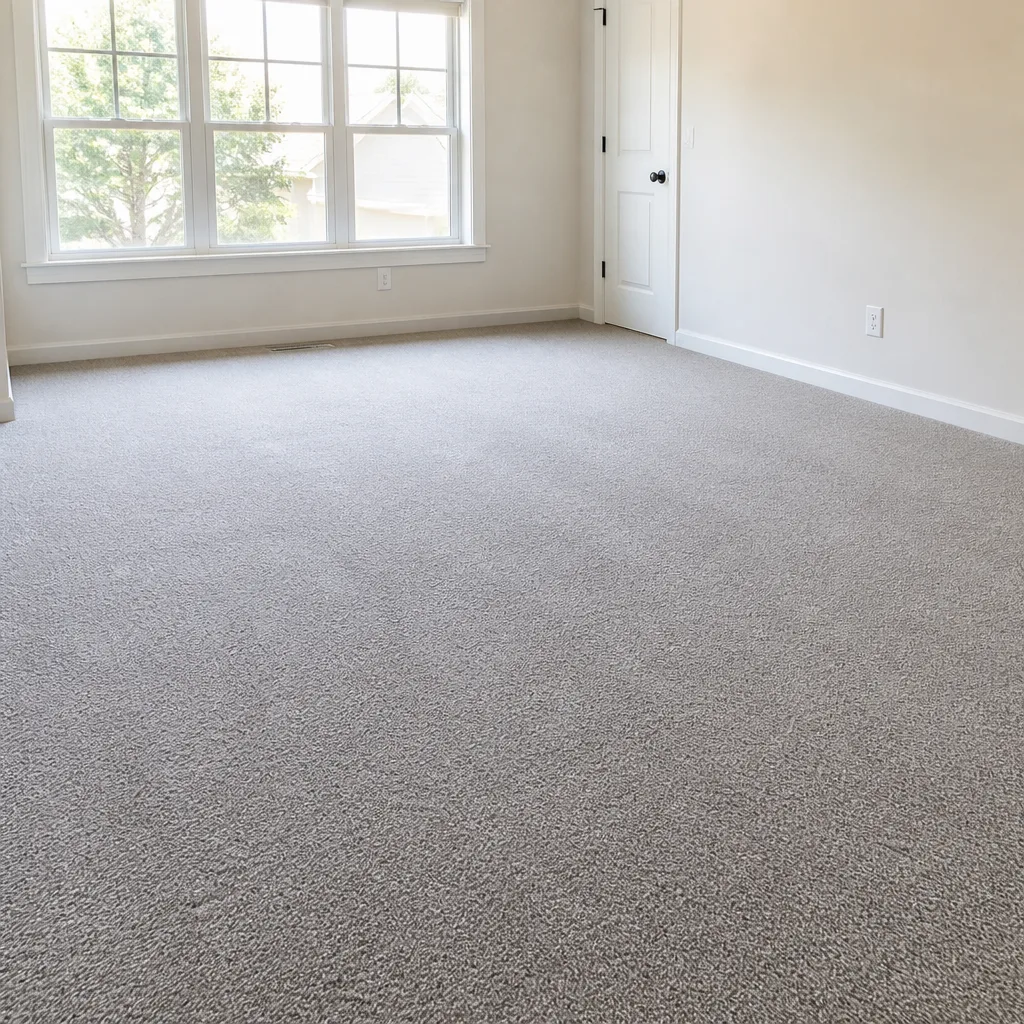 Carpet
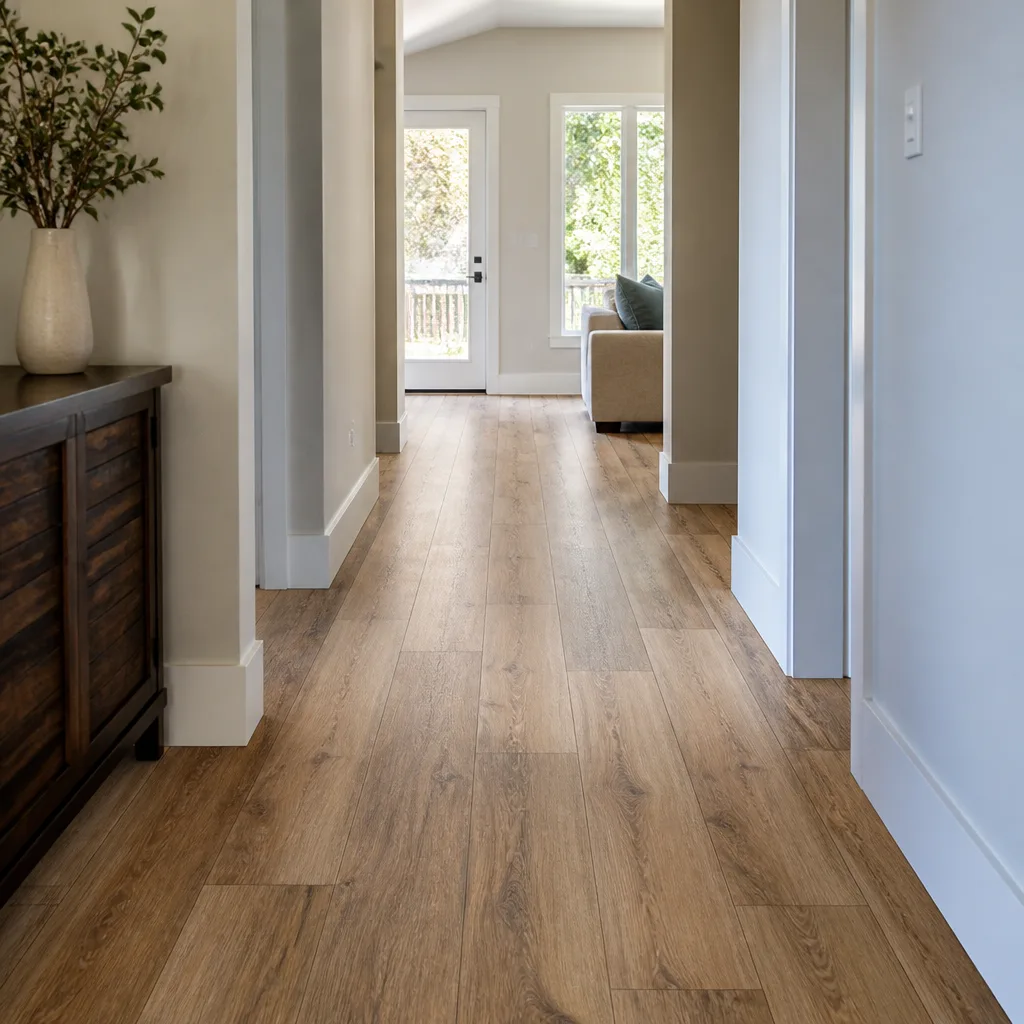 Shaw
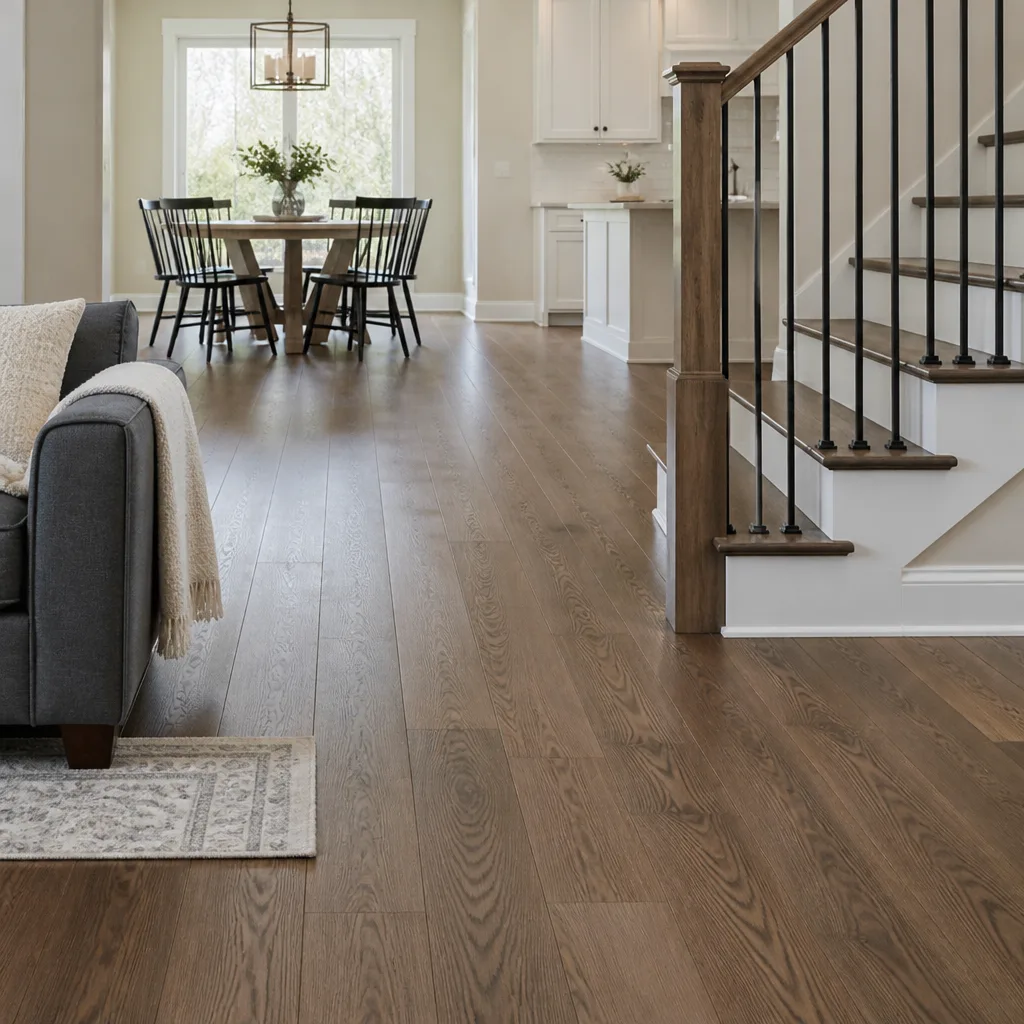 Mohawk
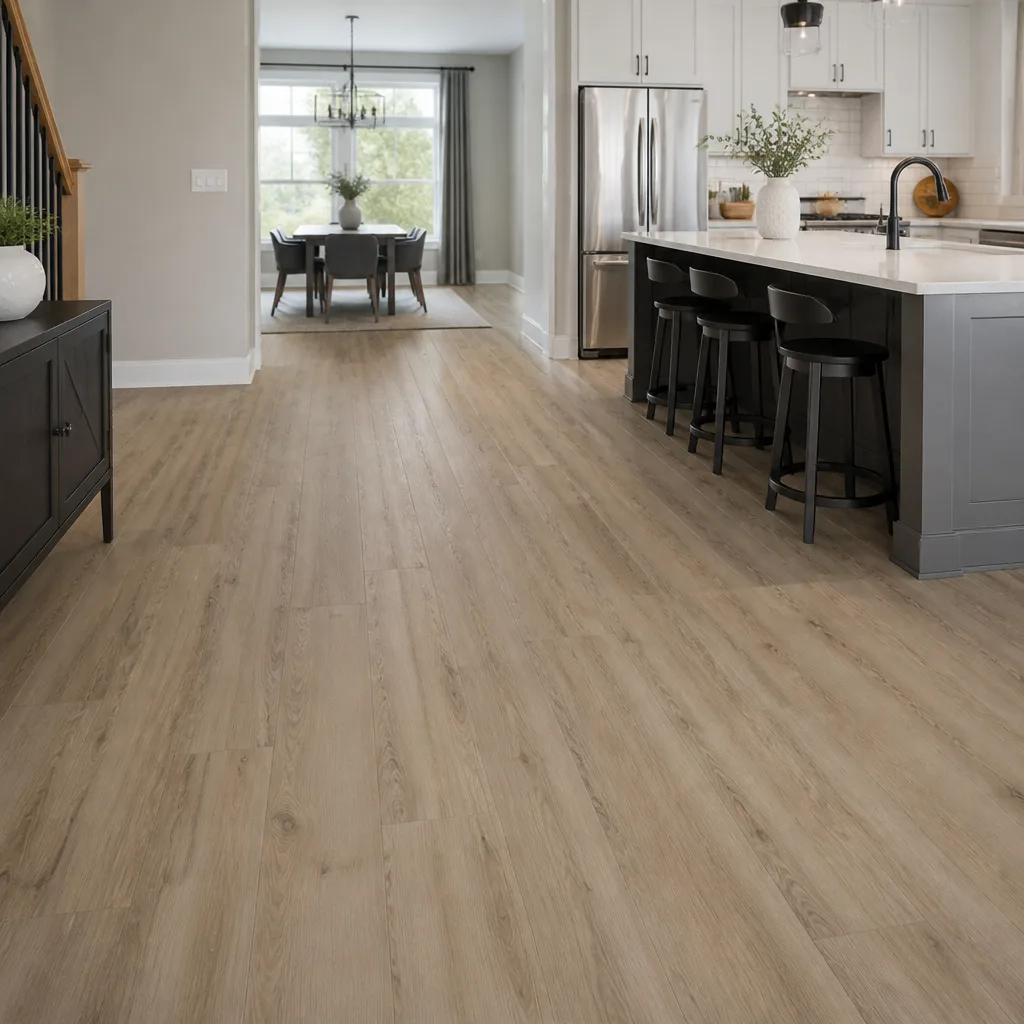 COREtec
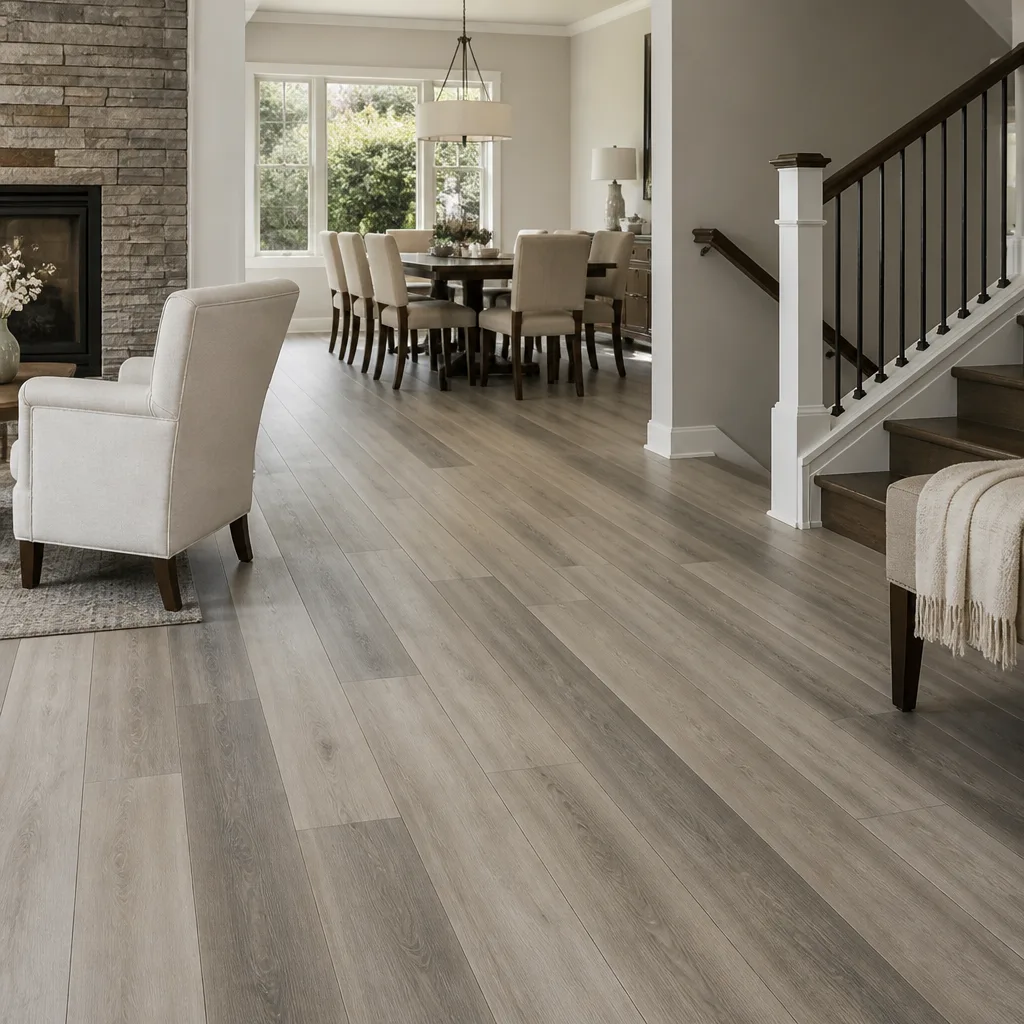 Pergo
Free in-home measure and written estimate: Shaw, Mohawk, COREtec and Pergo lines compared on your own rooms, with carpet, tile, vinyl plank, laminate and hardwood laid out side by side
Get your free estimateFlooring Cost Breakdown: The Boulder City Homeowner’s Reference for 2026
The $3-per-square-foot vinyl plank you see advertised online usually lands somewhere between $7 and $10 installed in Boulder City, and that gap catches people off guard. Advertised material prices leave out slab prep, adhesive, transition strips, furniture moving, and hauling the old floor away. None of that is a trick. It’s just how a real job in a real house adds up. This reference breaks flooring costs into their actual line items, material, labor, prep, and disposal, by product type and by the condition of the room you’re working on. By the end you’ll know what drives the number up, what’s legitimately extra, and where to run a break-even calculation before you replace anything.
Quick Answer
Installed flooring in Boulder City in 2026 typically ranges from about $6 to $9 per square foot for carpet, $7 to $12 for luxury vinyl plank, $8 to $14 for laminate, and $12 to $20 or more per square foot for tile and hardwood, with material, labor, prep, and disposal all included. The biggest cost swings come from subfloor prep, room count, and whether you’re replacing an old floor or refinishing one that’s still sound. The written estimate you get after an in-home measure is what actually sets your price.
Styles & brands we work with
- Hardwood
- Engineered hardwood
- Luxury vinyl plank
- Laminate
- Porcelain tile
- Carpet
- Shaw
- Mohawk
- COREtec
- Pergo
Table of Contents
- What flooring actually costs installed in Boulder City
- Slab prep: where unexpected cost hides
- Hidden line items that are real, and ones that aren’t
- Refinish or replace? Running the break-even
- How project scope changes your per-square-foot price
- Desert climate, indoor humidity, and what it means for your floor
- Matching the floor to how each room lives
- Common mistakes to avoid
- When to call a professional
What Flooring Actually Costs Installed in Boulder City
National averages published on big-box websites don’t reflect what you pay here. Boulder City sits at the end of the supply chain from Las Vegas, and materials move through that market along with everything else. Labor rates follow area wages, and slab construction is the norm in Southern Nevada homes, which means prep work that a plywood subfloor wouldn’t need. When you see a per-square-foot number online, ask whether it includes underlayment, removal, and disposal. Usually it doesn’t.
Here’s how the installed ranges break down by product type. These are typical estimates for standard residential jobs:
| Floor type | Typical installed range | What drives the price |
|---|---|---|
| Carpet | $6-$9 per sq ft | Carpet grade, pad, stretch-in labor, room shape |
| Luxury vinyl plank (COREtec, LifeProof, Karndean) | $7-$12 per sq ft | Wear layer class, click vs. glue-down, slab flatness |
| Laminate (Pergo, Mannington) | $8-$14 per sq ft | Plank thickness, underlayment, transitions |
| Tile (ceramic, porcelain, Daltile) | $12-$20+ per sq ft | Tile size, pattern, substrate prep, grout type |
| Hardwood, installed new | $12-$20+ per sq ft | Species, plank width, acclimation, nail-down vs glue |
| Hardwood, refinished | Quoted per job, usually below replacement | Wood thickness, condition, stain choice, square footage |
Small tile formats cost more to install than large ones because there are more pieces, more grout lines, and more layout work. A simple grid in a square room is the cheapest tile installation you can buy. A herringbone in a bathroom with a dozen cuts is closer to the top of the range. Same material, very different labor.
Hardwood refinishing is quoted per job rather than per square foot because we have to see the wood before we know what’s possible. Refinishing only works if there’s enough wood thickness left above the tongue, and the condition of the surface determines how much sanding it takes. We check both at the estimate visit.
Slab Prep: Where Unexpected Cost Hides
Most Boulder City homes sit on slab, and slabs are rarely perfectly flat. That matters more than most homeowners expect, because every hard floor product has a tolerance for how much variation it can handle. Exceed it and the floor fails early, which is why prep is not a place to cut corners. This is also the line item that surprises people most on the quote. Identifying it before you get bids saves you the shock.
Three slab conditions add the most cost:
- Cracks and spalling. Surface cracks and flaking concrete need filling and leveling before anything goes down. Small hairlines are routine. Larger cracks or areas that have broken loose take more work.
- Height variation. High spots get ground down and low spots get filled. A floor that dips in the middle of a room will telegraph through a rigid plank and can cause grout to crack under tile.
- Moisture. Concrete releases moisture, and some slabs release more than others. Adhesives, some underlayments, and certain floor types have limits on how much vapor they can tolerate. Testing tells you where the slab stands before you commit to a product.
You can spot some of this yourself before you call anyone. Walk the room and look for cracks, any spot where the floor visibly dips, and old adhesive residue or staining that suggests a previous floor came up wet. Run a straightedge or a long level across a few directions and see whether it rocks. It won’t replace a proper evaluation, but it tells you which questions to ask.
If you’re choosing a floor for a room with a suspect slab, a water-resistant luxury vinyl plank is often the practical pick. We carry COREtec and LifeProof in that category. Water-resistant isn’t the same as waterproof, though, and no floor product solves moisture coming up from below. That’s a slab issue first.
Hidden Line Items That Are Real, and Ones That Aren’t
A quote that looks lower than everyone else’s is worth reading line by line. Some extras are legitimate and every honest contractor charges for them. Others are added after the fact to make up for a bid that was too low to begin with. Knowing the difference is how you compare estimates fairly.
These charges are normal and should appear on a written estimate:
- Furniture moving. Emptying a room is real labor. Some installers include light moving and some don’t. Confirm which, in writing.
- Stair nose and transitions. Stairs cost more than open floor because of the cutting and fitting. Transition strips between rooms and at doorways are a small line item that adds up on a whole-home job.
- Old floor removal and disposal. Tearing out carpet and pad is one price. Pulling up glued-down tile or a nailed-down hardwood is another. Dumpster and haul-away fees belong on the estimate.
- Baseboard removal and reinstallation. Some floors go under the baseboard, some butt up to it. The first looks better and costs a little more.
- Slab prep. Filling, grinding, and leveling. Covered above because it’s the biggest variable.
Watch out for a few things. A verbal quote with no written breakdown, a deposit demanded before any measure, or a price that’s dramatically below every other bid are worth questioning. So is a contractor who won’t put the material name and grade on paper. You should know exactly which product you’re paying for.
One more note on comparing bids: ask each contractor whether the price includes material, labor, prep, and disposal, or just some of those. Two quotes at the same per-square-foot number can be thousands apart once you include what’s inside them. The estimate is free, so there’s no reason to accept a number you can’t see broken down. Call (833) 842-8455 to schedule yours.
Refinish or Replace? Running the Break-Even
If you have solid hardwood that’s worn, scratched, or dated in color, refinishing is usually the value move. You keep the wood you already own and skip the cost of new material and removal. The catch is that not every floor can be refinished. It depends on how thick the wood is and what condition it’s in, both of which we check at the estimate visit. A floor that’s been sanded down too many times, or one with deep gouges, may not have enough left to work with.
Here’s how to think through the break-even:
- Confirm the floor type. Solid hardwood can usually be refinished. Engineered wood has a wear layer of real wood on top and whether it can be refinished depends on how thick that layer is. Some can, some can’t.
- Check the thickness and condition. This is the deciding factor. A professional looks at the wood, not just the surface.
- Compare the refinish quote to a replacement quote on the same square footage. Refinishing typically comes in below full replacement, but how far below depends on the condition and the stain you choose.
- Factor in disruption. Refinishing keeps your floor in place but means sanding, dust control, and cure time before furniture goes back. A replacement means the old floor comes out and a new one goes in. Ask how long each leaves the room out of use.
- Decide based on the wood you have. If you love the floor and it’s structurally sound, refinishing is often the answer. If the boards are cupped, water-damaged, or you want a different material entirely, replacement makes more sense.
Our philosophy is simple here: refinish before you replace. It extends the life of a floor you already own and it’s the choice that respects the material. When we look at a floor, we tell you honestly whether refinishing will get you the result you’re after or whether replacement is the better call.
How Project Scope Changes Your Per-Square-Foot Price
Per-square-foot pricing is not linear. A single room usually costs more per square foot than a whole floor, because every job has fixed costs that don’t care how big it is. Setup, layout, material delivery, and cleanup take roughly the same time whether you’re doing 200 square feet or 2,000. Spread that over more square footage and the per-square-foot number drops.
Where bundling saves real money:
- Multiple rooms of the same material. One continuous installation across several rooms cuts down on transitions, repeat setup, and material waste.
- Doing carpet and tile in the same project. We handle carpet installation and tile flooring installation, so a whole-home update doesn’t require two separate contractors working around each other.
- Keeping product type consistent where it makes sense. Running the same luxury vinyl plank through a hallway and adjoining rooms avoids transition strips and looks more open.
Where it doesn’t save money to combine: forcing one material across rooms with very different needs. Carpet in a bedroom makes sense. Carpet in a bathroom does not. Matching the floor to how the room actually lives usually beats saving a little on a single large order. If you’re planning a whole-home project, it’s worth having a conversation room by room before committing to one product everywhere.
If you’re still in the early planning stage and want the broader picture on the area, our guide to Boulder City is a good starting reference for what local homes typically look like and what to expect from a project here.
Desert Climate, Indoor Humidity, and What It Means for Your Floor
Boulder City is hot and dry, and that shapes flooring choices more than most homeowners realize. Wood and wood-based products absorb and release moisture with the seasons. In a climate where summer is brutal and indoor humidity swings with air conditioning and heating, wood floors can expand and contract. That’s why acclimation matters: the material needs to sit in the home and settle to its conditions before it’s installed. How long that takes depends on the product, and the product instructions set it.
The other local reality is the slab. Dry climate doesn’t guarantee a dry slab, and moisture from below is a separate issue from the air. A proper moisture check before installation protects the floor you’re paying for. This is also why we won’t call any floor waterproof: water-resistant products handle spills and routine cleaning, but standing water and moisture coming up through concrete still have to be dealt with.
For tile, our local climate is kind to the material, though tile cracks for other reasons entirely. Poor substrate prep, not weather, is the usual culprit. A Daltile porcelain or ceramic set over a properly prepared slab handles the heat without issue. Karndean luxury vinyl art tile is another option for spaces where you want a designer look with commercial-spec durability underfoot.
If you’ve had a floor fail in a room you thought was dry, ask about slab moisture before you replace it with the same thing. Replacing without checking the cause is how the same problem comes back.
Matching the Floor to How Each Room Lives
Cost is one variable. Function is the other, and function is what decides whether you’re happy in five years. A floor that’s right for a living room can be wrong for a bathroom. Here’s how the categories break down by room, so you can match material to use before you match it to price.
- Living rooms and bedrooms. Carpet is warm underfoot and quiet. Luxury vinyl plank works if you want hard surface with less upkeep. Both are reasonable choices.
- Kitchens and entryways. These get spills, dropped items, and foot traffic. Water-resistant LVP or tile are the practical picks. Laminate has improved but a wet mop on a seam is still not its friend.
- Bathrooms. Tile, without much debate. Porcelain or ceramic handle moisture better than anything wood-based. Just make sure the substrate under it is prepped right, because that’s where bathroom tile jobs fail.
- Hallways and stairs. High traffic, and stairs especially need a product that holds up to edges. Hard surfaces for hallways, and for stairs the material should match the adjoining floor so the visual flow stays consistent.
If you’re replacing a whole level, mixing categories is common and sensible. Carpet in the bedrooms, luxury vinyl plank through the main areas, tile in the wet rooms. We carry brands across all of those categories, including Shaw, Mohawk, COREtec, Pergo, LifeProof, Mannington, Armstrong, Daltile, and Karndean, so we can put together a whole-home plan that doesn’t require three different contractors.
Common Mistakes to Avoid
- Buying on the advertised material price. That $3-per-square-foot number doesn’t include prep, adhesive, transitions, or disposal. It’s closer to $7 to $10 installed once everything’s in. Budget for the installed cost, not the sticker.
- Skipping the slab check on an older Boulder City home. Older slabs often have cracks or moisture issues that were never addressed. Finding out after installation is the expensive way.
- Choosing vinyl or laminate for a bathroom. Water-resistant is not waterproof. Standing water and moisture from below still get through. Tile is the safer call in wet rooms.
- Comparing quotes without reading what’s inside them. A lower number that excludes disposal or prep isn’t actually lower. Ask for a written, itemized estimate from each contractor.
- Replacing hardwood that could be refinished. If the wood is thick enough and in decent shape, refinishing costs less and keeps a floor you already own. Get an honest assessment before deciding to replace.
- Ignoring acclimation to save time. Wood products need to settle to the home. Rushing this causes expansion and gapping later. The product instructions tell you how long, and that schedule is set at the estimate.
- Assuming the cheapest product is the right product. A floor that fails in five years costs more than the one that lasts. Match material to the room’s actual use first.
When to Call a Professional
Some flooring work is genuinely a job for a trained installer, and it’s worth knowing which jobs those are. If your slab shows cracks, dips, or any sign of moisture, have it evaluated before you buy material. Tile over a poorly prepped substrate will crack, and that’s a costly redo. Hardwood refinishing takes equipment and experience; a DIY sander on a hardwood floor is a good way to ruin a floor you can’t afford to replace. Whole-home projects where multiple materials need to coordinate are another case where the layout and sequencing matter. And any floor that failed once in a room you can’t explain is worth a second look before you replace it the same way.
Flooring Boulder City offers free estimates in Boulder City. Call (833) 842-8455 to schedule yours. We answer 24/7, with fast dispatch from 7am to 7pm, Sunday through Friday.
See the difference
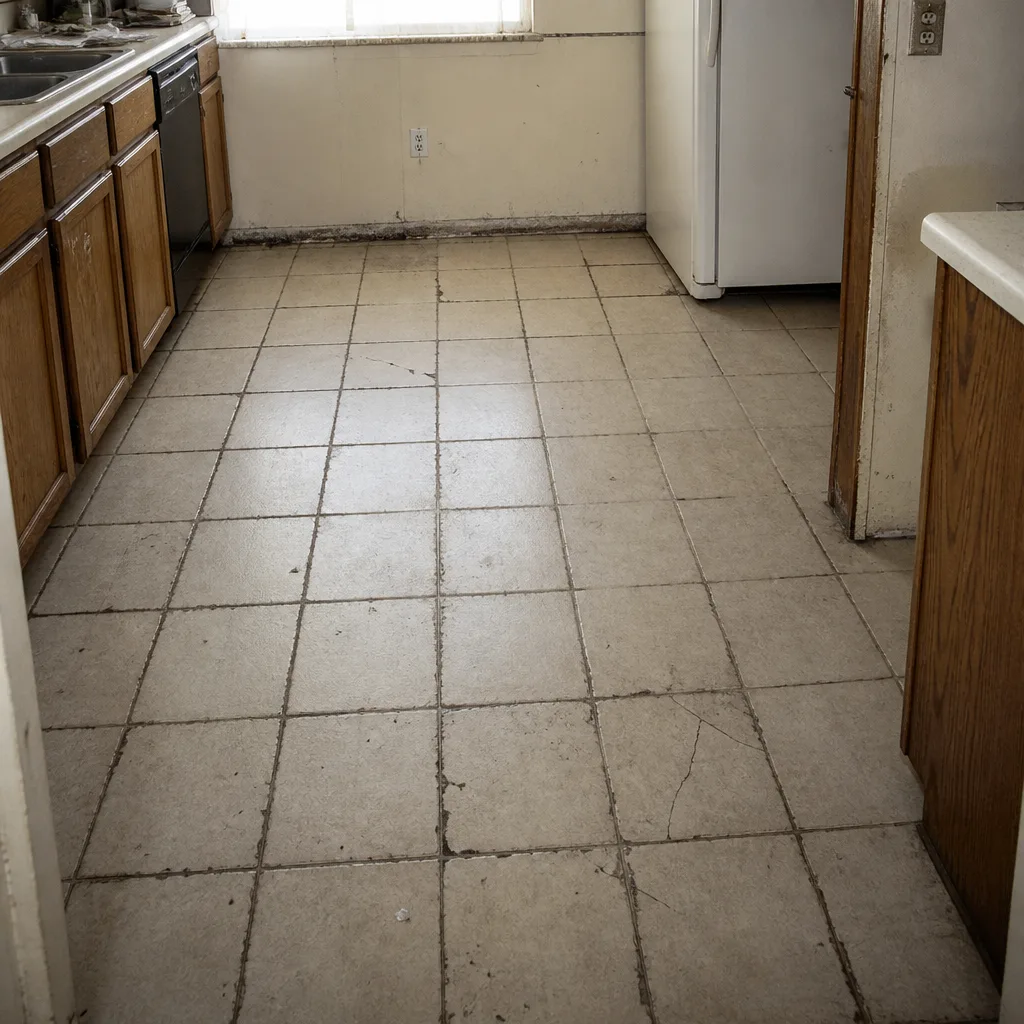 Before
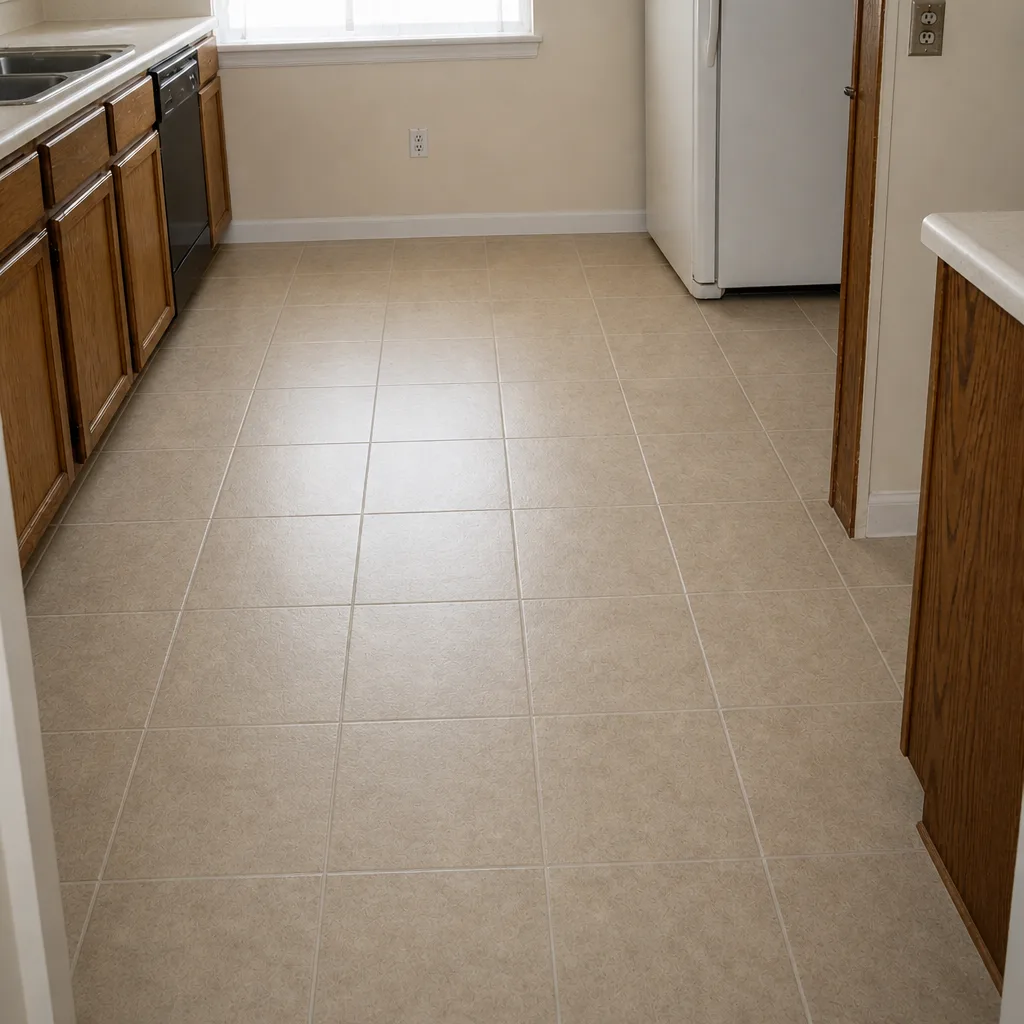 After
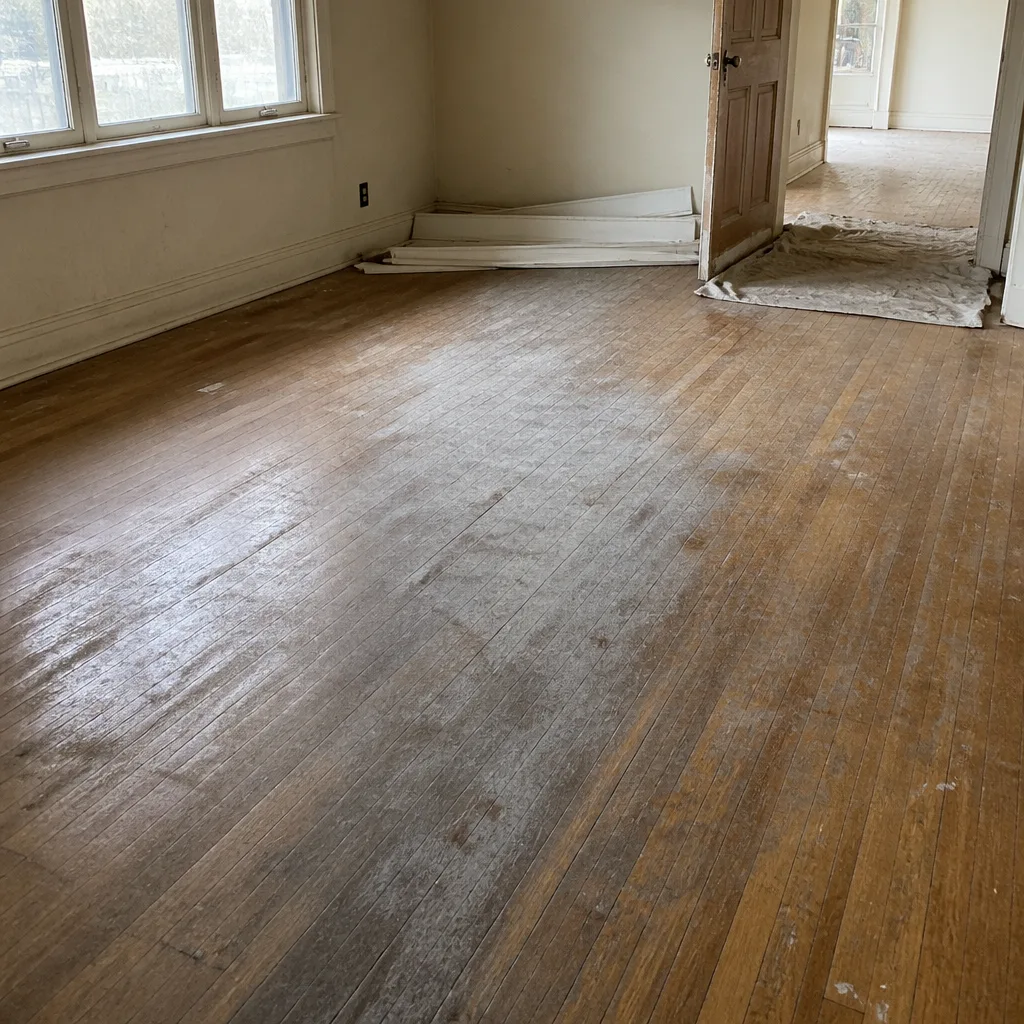 Before
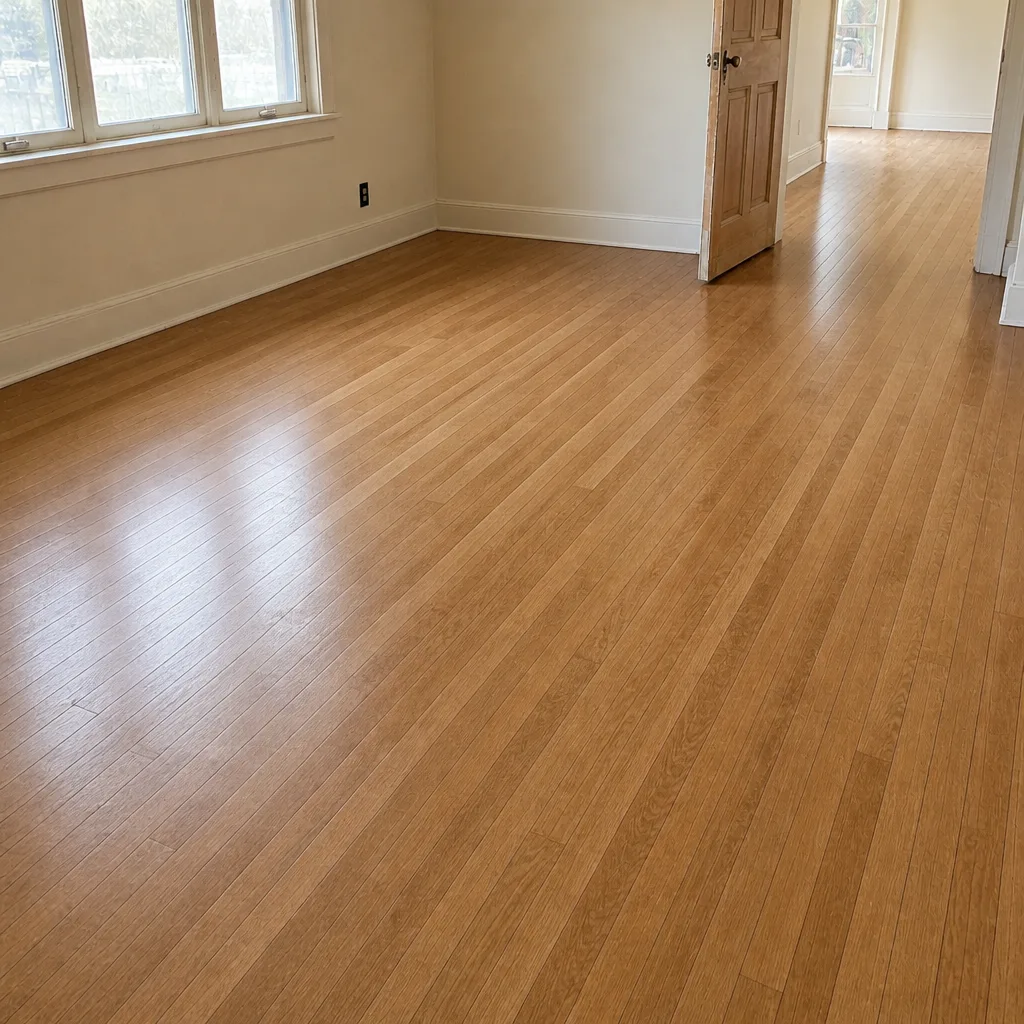 After
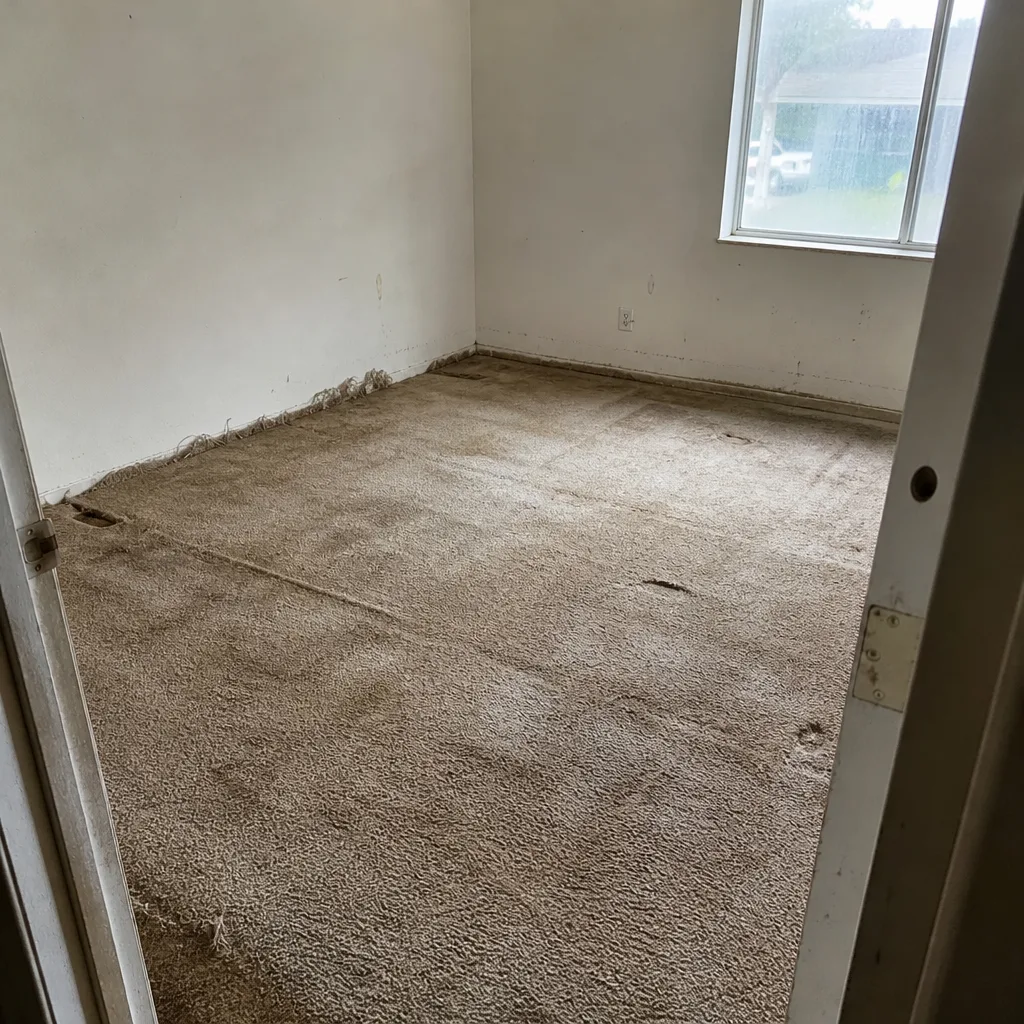 Before
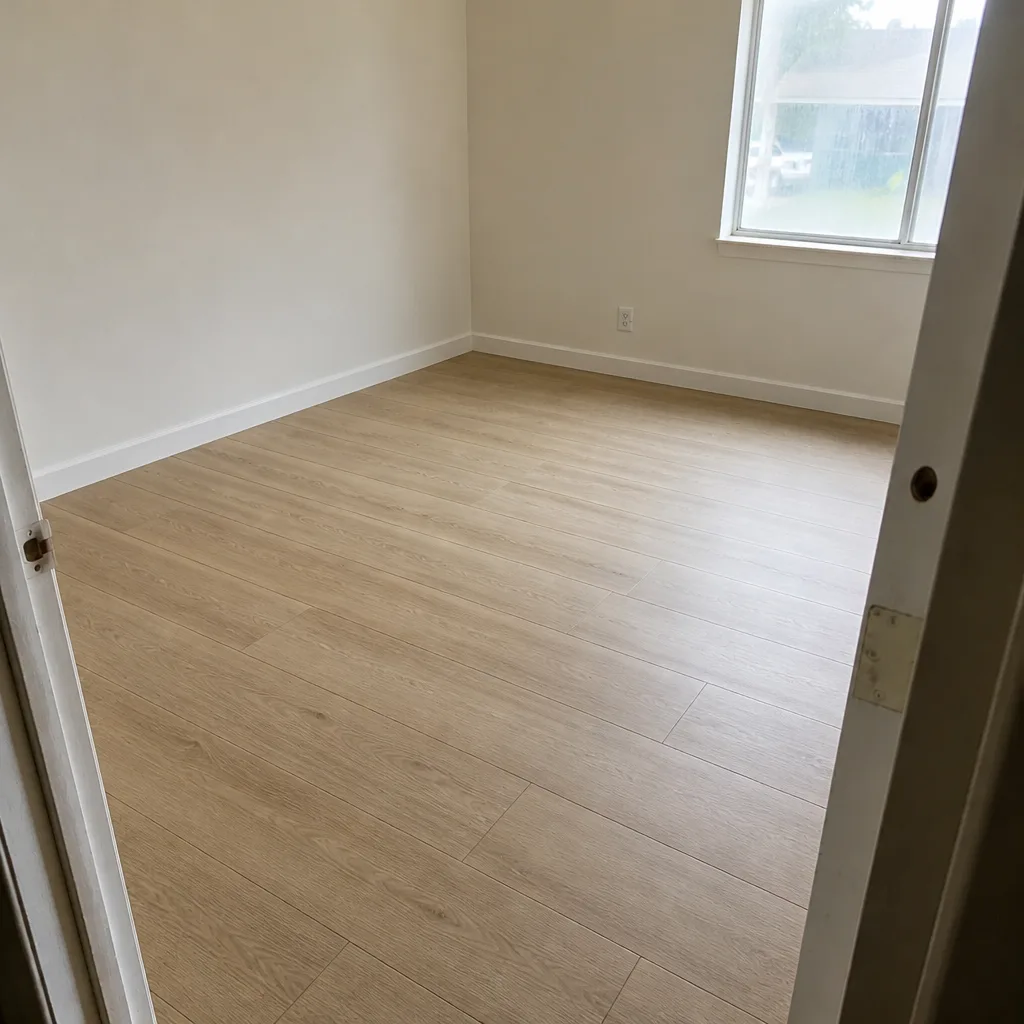 After
Frequently Asked Questions
Installed flooring in Boulder City typically runs $6 to $9 per square foot for carpet, $7 to $12 for luxury vinyl plank, $8 to $14 for laminate, and $12 to $20 or more for tile and hardwood. The written estimate after an in-home measure sets your final price. Call (833) 842-8455 for an exact quote, estimates are free.
Because the material price usually excludes labor, slab prep, transitions, furniture moving, and old-floor removal and disposal. Those line items are most of the difference. A typical vinyl plank job runs around $7 to $10 installed once everything’s included. The estimate breaks it all out so you can see where the money goes.
Often yes, but it depends on the thickness of the wood and its condition, which we check at the estimate visit. Solid hardwood usually can be refinished. Engineered wood depends on the wear layer. Refinishing is typically the value choice when the wood is sound. Call (833) 842-8455 and we’ll take a look.
It can. Slab cracks, height variation, and moisture all need prep before a new floor goes down, and that adds labor. The amount depends on the specific slab. A proper evaluation before you buy material tells you what you’re dealing with. Schedule a free estimate to have your slab assessed.
Yes. The in-home measure and written estimate are free, and you’ll get an itemized breakdown of material, labor, prep, and disposal before you commit. There’s no service-call fee to get a quote. Call (833) 842-8455 to book yours.
The schedule is set at the estimate, because it depends on the material, the square footage, and the prep work needed. Carpet and laminate move faster than tile and hardwood. Acclimation for wood products also affects the timeline. Your written estimate will spell out the plan.
The Bottom Line
The number that matters isn’t the material price. It’s the installed cost, and that number comes from four things: what the product is, how much prep your slab needs, how many rooms are involved, and whether you’re replacing a floor or refinishing one. Advertised material prices leave out most of what you’ll actually pay. The way to get a real number is a free in-home measure and a written, itemized estimate, before you buy anything. We install carpet, tile, and hardwood, and we refinish existing hardwood when it’s the smarter move. Call (833) 842-8455 to schedule your free estimate.
Written by the team at Flooring Boulder City.