
Last updated November 18, 2026
 Hardwood
 Engineered hardwood
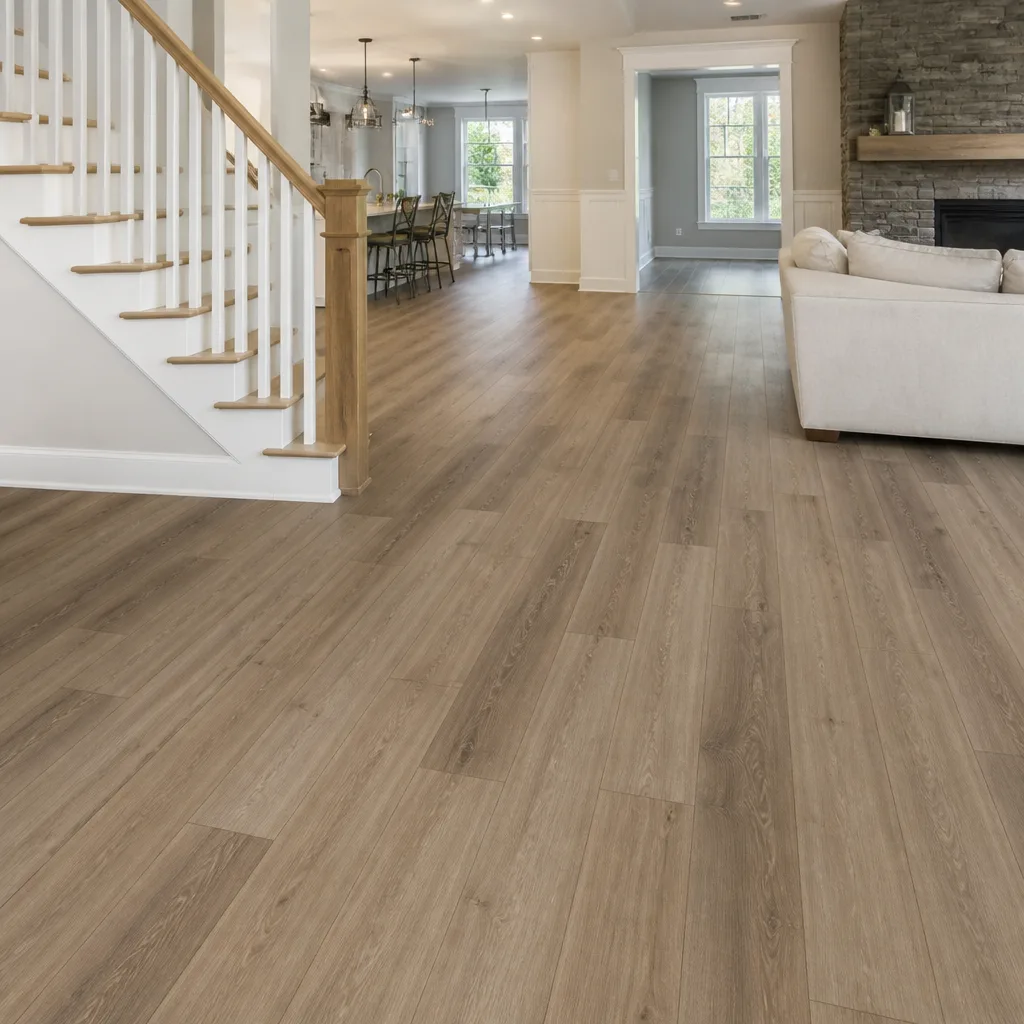 Luxury vinyl plank
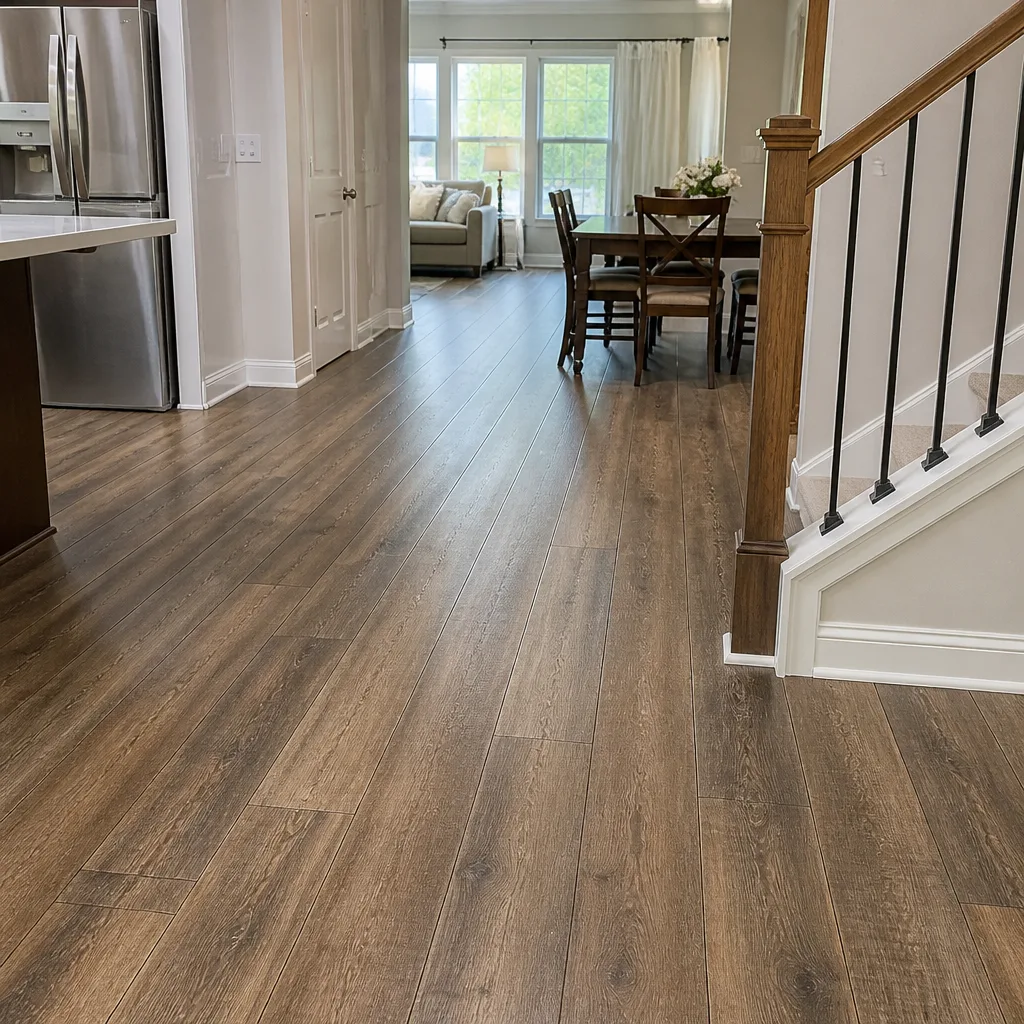 Laminate
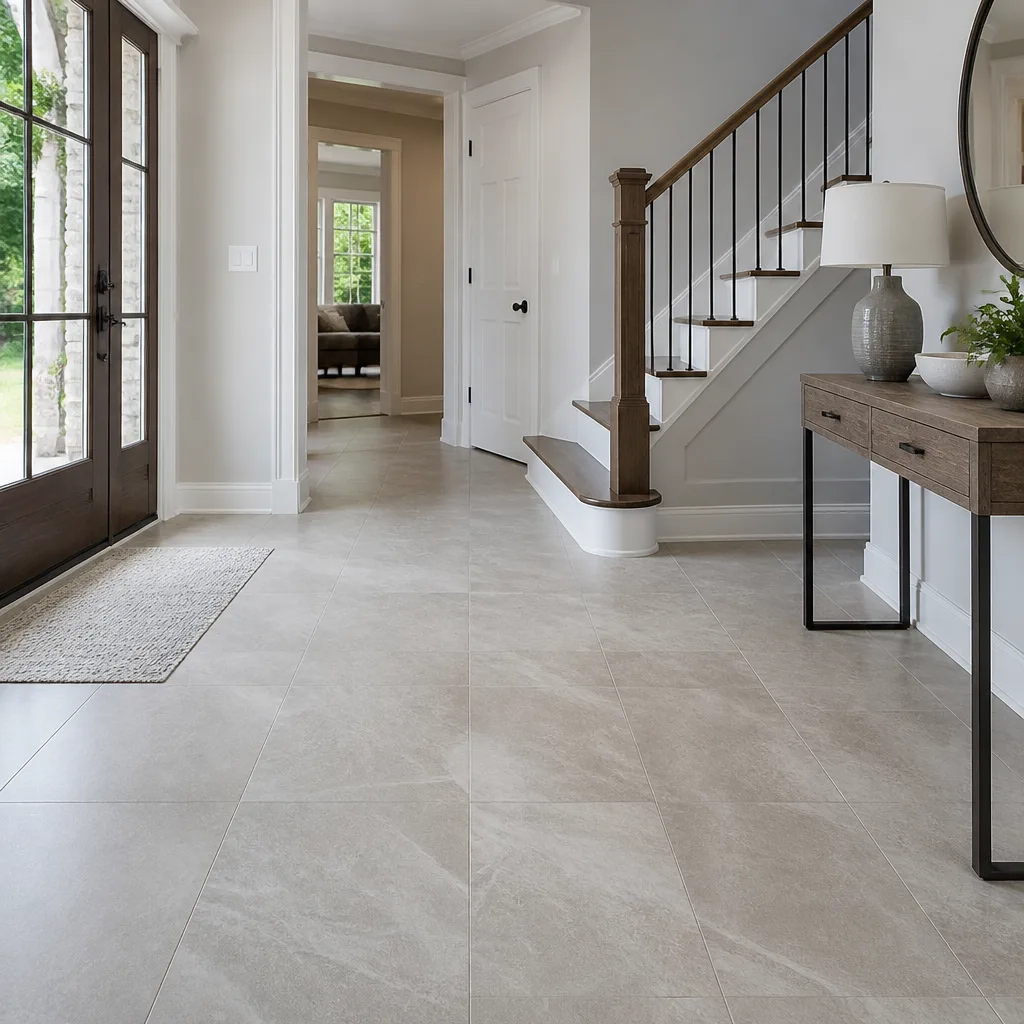 Porcelain tile
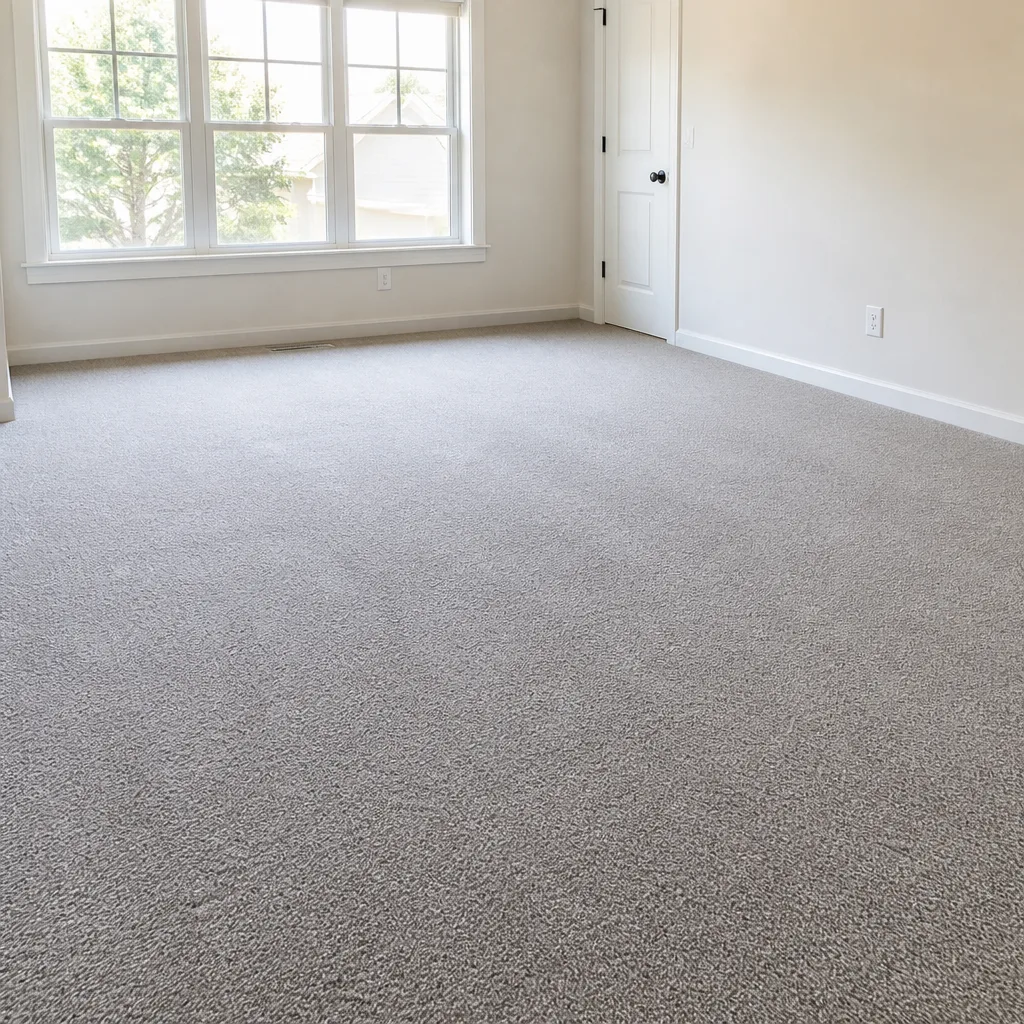 Carpet
 Shaw
 Mohawk
 COREtec
 Pergo
Free in-home measure and written estimate: Shaw, Mohawk, COREtec and Pergo lines compared on your own rooms, with carpet, tile, vinyl plank, laminate and hardwood laid out side by side
Get your free estimateWhat Happens at a Free In-Home Flooring Estimate in Boulder City
Most homeowners treat the in-home flooring estimate as a formality. The contractor walks in, runs a tape measure along the walls, asks what you had in mind, and fifteen minutes later you have a number. That version of an estimate feels efficient, and it’s the one that gets people into trouble. The visit isn’t really about square footage. It’s a diagnostic appointment, and the hour or so spent in your home determines whether the quote you’re handed is a fair reflection of the work or a low number that grows once the floor comes up. In Boulder City, where slab-on-grade construction and a dry desert climate create their own quirks, what the estimator checks and asks matters. This guide walks through what a thorough estimate should involve, what to ask, and how to compare quotes so the number at the bottom of the page actually means something.
Quick Answer
A free in-home flooring estimate in Boulder City is a diagnostic visit where a specialist measures the rooms, checks the subfloor and moisture, notes transitions, baseboards and door clearances, and explains which products suit each space. The result is a written quote with itemized prep and installation scope, not just a square-foot price. Expect it to take roughly an hour for a typical whole-home project, and expect to leave with more information than you started with.
Styles & brands we work with
- Hardwood
- Engineered hardwood
- Luxury vinyl plank
- Laminate
- Porcelain tile
- Carpet
- Shaw
- Mohawk
- COREtec
- Pergo
Table of Contents
- Why the Estimate Is a Diagnostic Visit, Not a Sales Call
- What a Thorough Estimator Should Physically Inspect
- The Questions to Ask During the Visit
- How to Read a Flooring Quote Line by Line
- Why Getting Multiple Product Options in One Visit Pays Off
- What the Visit Reveals About Communication Style
- Boulder City Angles: Slab, Sun, and Room Layout
- What Should Happen After the Visit
Why the Estimate Is a Diagnostic Visit, Not a Sales Call
When a flooring estimate is done well, it looks a lot like a home inspection that happens to end in a price. The best estimators aren’t selling; they’re figuring out what the floor will have to do once it’s installed. In Boulder City, that means understanding the concrete slab underneath, how much sun a west-facing room takes, whether the doors will still swing after a thick tile goes down, and how the new floor will meet the hallway, kitchen, and bathroom thresholds. None of that fits on a tape measure.
Think of it this way. A quote is only as useful as the scope it describes. If the scope says “install 800 square feet of luxury vinyl plank” and nothing else, someone in the chain has to absorb the cost of leveling a low spot, moving furniture out, pulling baseboards, and handling the transition into the next room. That someone is usually the homeowner, later, as an add-on. A diagnostic estimate surfaces those items up front, in writing, so you know the whole job before you commit.
What separates a diagnostic estimate from a sales pitch in practice:
- Physical inspection of the subfloor, moisture, baseboards, doors, and transitions.
- Room-by-room conversation about how each space is used, not a blanket recommendation.
- Product comparison between more than one option, with honest trade-offs discussed.
- Written scope with line items, not a lump-sum figure.
- Timeline expectation set in the quote, not in follow-up emails.
We carry Shaw, Mohawk, COREtec, Pergo, LifeProof, Mannington, Armstrong, Daltile, and Karndean because no single flooring product fits every room. A diagnostic visit is what tells us which of those makes sense for a given space in Boulder City.
What a Thorough Estimator Should Physically Inspect
A good estimator will walk the home with you, ask questions, and take measurements with more than a notepad. Here’s what should be inspected in Boulder City:
- Slab moisture. A moisture meter should be used on the concrete, not just visual inspection. Slab-on-grade construction in the desert can still hold moisture that affects adhesives, and this is one of the checks that separates a real estimate from a rough guess.
- Subfloor condition. Cracks, spalling, high and low spots, previous patching, contamination from old adhesives. These determine how much prep the job will need.
- Floor height transitions. Where does the new floor meet the hallway, adjacent tile, or carpet in another room? A transition strip is a small detail that’s easy to leave out of a quote.
- Baseboard condition and floor removal. Whether existing baseboards can be reused, will need to be removed and reinstalled, or replaced. This is labor that’s often under-scoped.
- Door swing clearances. A thicker tile or new underlayment can mean doors that rub. Undercutting doors is a real line item on the quote if it needs to happen.
- Existing floor removal. Carpet tear-out, tile demolition, adhesive removal. Each has a different level of effort and cost.
- Room size and shape. Square footage, but also L-shapes, closets, thresholds, and angles that affect cutting waste and labor time.
- Moisture sources inside the home. Bathrooms, laundry rooms, kitchen spills, entryways where wet feet land. These influence product choice in a way that a square-foot price can’t.
Skip any of these and the quote is incomplete. Not dishonest, just incomplete. The homeowner pays for it later when the work reveals a problem the estimate didn’t anticipate.
The Questions to Ask During the Visit
You don’t need to interrogate anyone, but you do need enough information to compare quotes fairly. The questions below turn a vague “sounds good” into a real understanding of what you’re buying.
- “What prep does this floor need, specifically?” Leveling, patching, moisture barrier, removal of old adhesive. Get the answer in writing on the quote.
- “Which of these products would you put in this room, and why?” A good answer names specific brands and connects them to how the room lives, not to what’s on sale.
- “How will the new floor tie into the adjacent rooms?” Transition strips, height differences, thresholds. All should appear on the quote.
- “Are the baseboards staying or going, and is that included?” One of the most common surprises after the fact.
- “Will doors need to be trimmed?” Especially with tile or thick LVP.
- “What’s the timeline from contract to install?” Order, delivery, scheduling, install. Ask for it in writing.
- “What’s the process if something isn’t right after install?” Ask before you commit, not after.
- “Is anything on this quote a placeholder?” If the answer is “subfloor prep as needed,” press for a number.
These questions feel basic, and they are. That’s the point. Most of the unpleasantness on flooring projects traces back to a question nobody asked at the estimate. A quick conversation now, in your living room, saves a longer one later.
How to Read a Flooring Quote Line by Line
A flooring quote has two personalities. Some read like a firm scope commitment, and some read like a liability disclaimer wearing a construction hat. Knowing which one you’re looking at changes how you compare two quotes for the same job.
Firm scope items
These are line items with a specific number and a specific unit. Examples: “Remove and dispose of 620 sq ft existing carpet – $X.” “Install 1/4-inch underlayment – 620 sq ft – $X.” “Transition strip at hallway – 3 pieces – $X.” Firm scope items are what you want most of the quote to be.
Placeholder items to watch for
Words like “as needed,” “as required,” “if applicable,” and “TBD” are not firm. Sometimes they’re honest and unavoidable, because the subfloor condition isn’t fully known until the old floor comes up. But a quote with those phrases on every major line is telling you something: the price on the bottom of the page is a starting point, not a fixed number.
When you see a placeholder, ask how it’s priced. Most contractors can give a per-square-foot number for leveling or moisture barrier so you know the range. If they can’t or won’t, that’s information.
A quick comparison look
- Material – priced per square foot, brand named, model named if possible.
- Installation labor – separate line, not bundled into material.
- Removal and disposal – old floor gone, dumpster handling included.
- Subfloor prep – either a firm line or a firm per-square-foot rate.
- Baseboards – removed, reinstalled, or new. Should be explicit.
- Transitions and thresholds – per-piece pricing.
- Tax and any fees – shown, not hidden.
- Warranty terms in writing – product warranty from the manufacturer, workmanship term from the installer.
If you compare two quotes and one has half the line items of the other, it’s usually not a bargain. It’s just a shorter quote that hasn’t yet mentioned everything it will need.
Why Getting Multiple Product Options in One Visit Pays Off
A common pattern: homeowners call three contractors, get three quotes, each on a different product, then try to compare the three numbers as if they were the same thing. They’re not. Comparing a quote for LifeProof luxury vinyl plank to a quote for porcelain tile from Daltile to a quote for refinishing existing hardwood is comparing apples to oranges to something else entirely.
A better approach: bring the estimator into the home once, look at each room together, and ask for quotes on more than one product option for that room. Same contractor, same measurement, same subfloor assessment, different products. Now the comparison is clean. You see what the delta is between life spans, upkeep, and installation approach, not just between three separate visits from three separate companies.
Rooms where this really clarifies things
- Kitchen and entry. Water-resistant LVP such as LifeProof versus porcelain tile from Daltile. Both work; the trade-offs are feel underfoot and how the floor reacts to dropped pans.
- Living room. Carpet versus hardwood versus LVP. Each is defensible. Whichever you choose, the visit should explain how it will look and wear over time in that specific room.
- Bathroom. Tile almost always wins here, but there’s more than one tile. Daltile’s porcelain line alone offers options from matte to polished, and polished in a bathroom means slippery with wet feet.
- Bedrooms. Carpet versus LVP. A candid conversation about what a Boulder City household actually wants in a bedroom in the summer heat is worth having.
- Worn hardwood. Refinish versus replace. The condition of the planks, checked at the visit, tells you which is viable.
The visit is a chance to see all the options in one conversation. Use it. Working with a team that carries nine brands under one contractor means you don’t have to make three separate appointments to see three separate floors.
What the Visit Reveals About Communication Style
Here’s what contractors don’t always say out loud: the number on the bottom of the quote is only half the decision. The other half is whether you want this person in your home for a week. And the estimate visit is the one time you get to find out before you commit.
Pay attention to how the estimator handles questions. Do they answer directly, or do they pivot back to a sales talking point? Do they volunteer the things that might go wrong, or only the things that sound good? Do they show up on time, or text ten minutes after the appointment to reschedule? Every one of those behaviors is a preview of how the install will go.
Another thing to watch: how they listen. If you say the room gets full afternoon sun in July and you’re worried about fading, a good estimator changes the conversation based on that. They might steer toward a tile or an LVP with a design suited to high UV exposure. A less careful one nods and keeps pitching the original plan.
You don’t need chemistry. You need clarity. An estimator who explains the trade-offs in plain English, gives you a written scope, and answers follow-up questions without reluctance is the one who will still be answering questions during install when you have them.
Boulder City Angles: Slab, Sun, and Room Layout
Boulder City sits in the Mojave, and that shapes what a flooring estimate should focus on. This isn’t a coastal market where humidity drives the conversation. It’s a dry, hot-climate market where slab behavior, sun exposure, and interior dust tell most of the story.
Slab-on-grade construction
Most homes here sit on a concrete slab rather than a raised foundation. Slabs in the desert can develop surface moisture issues, especially where they crack or where plumbing has been patched. A moisture meter reading at the estimate isn’t paranoia; it’s the difference between a floor that lasts and one that needs to come up in a couple of years. If a contractor skips this step, ask why.
Sun exposure and fade
A west-facing window in a Boulder City living room in July puts a lot of light on a floor. Some products handle that better than others. This is where a real conversation about what will be in the room matters more than the brand name. A Mannington or Armstrong vinyl plank, a porcelain tile from Daltile, or a carpet with a color that holds up to sun all deserve consideration, and which is right depends on the room.
Layout and room transitions
Boulder City has a mix of older single-story homes and newer builds. Older homes often have quirks: doorway clearances set for carpet, baseboards that were cut tight to the original floor, additions where the slab height doesn’t match the main house. Newer homes tend to have cleaner transitions but can have their own surprises with doors and thresholds. A good estimate visit walks through those transitions room by room.
Whole-home timing
For a whole-home project around Boulder City, sequencing matters. A typical plan works one zone at a time so your household stays functional. That plan should get sketched at the estimate, not after the contract is signed. If you’re coordinating carpet installation in the bedrooms with a hard surface elsewhere, the visit is where the sequencing gets decided.
What Should Happen After the Visit
Once the estimator leaves, the clock starts on the quote. Here’s the rhythm that should follow:
- Written quote delivered in a reasonable window, itemized, matching what was discussed.
- Follow-up conversation where you can ask about any line you don’t understand.
- A chance to compare options if you asked for more than one product, with the trade-offs stated plainly.
- Time to decide without heavy pressure. A good contractor will follow up once or twice, then respect your timeline.
- A clear schedule once you accept, with install dates set in advance.
If any of those steps get skipped, treat it as a signal. The estimate is where the whole project either gets set up correctly or starts to drift. Insist on clarity before you sign.
Common Mistakes to Avoid
- Treating the estimate as passive. Nodding along and waiting for a number means you miss the chance to influence the quote. Ask the questions listed above, and ask them at the visit.
- Comparing quotes on product alone. Two quotes for the same square footage of LifeProof can differ by hundreds of dollars if one includes removal and the other doesn’t. Compare scope, not just product name.
- Accepting “subfloor prep as needed” as a final line. In Boulder City’s slab construction, subfloor prep is one of the more common cost surprises. Ask for a per-square-foot rate so you know the range.
- Ignoring the transition detail. A floor that sits a half-inch above the adjacent hallway looks wrong and needs a solution. Catching it at the estimate means it’s on the quote, not added later.
- Skipping the moisture check. Slab moisture is one of the things that separates a floor that lasts from one that buckles. Bring it up if the estimator doesn’t.
- Only getting one product priced. Getting quotes on more than one product in the same room, in a single visit, gives you a clean comparison you can’t get from three separate contractors.
- Overlooking the baseboards. Whether baseboards are reused, reinstalled, or replaced is a real cost line. Get it in writing.
- Not asking about timing. A quote without a schedule tells you the price but not whether the job is feasible for your timeline.
See the difference
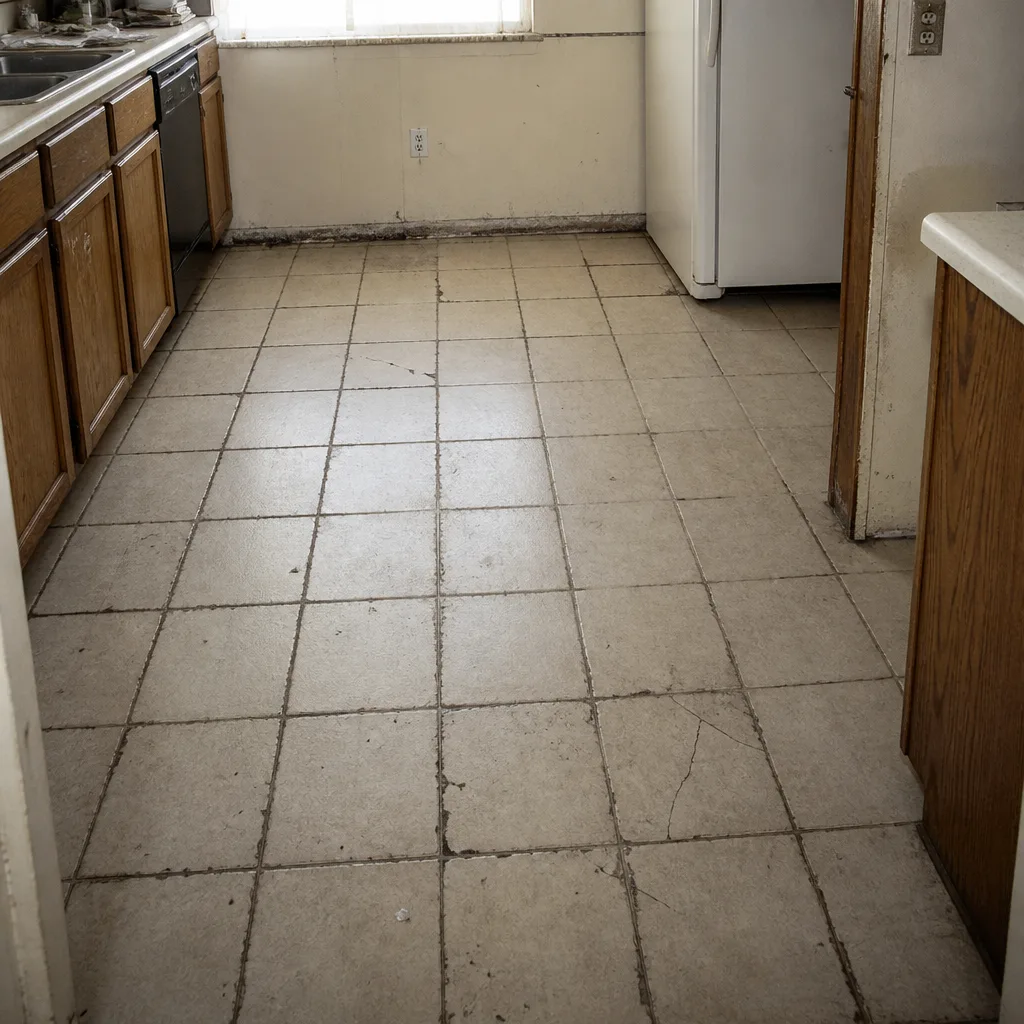 Before
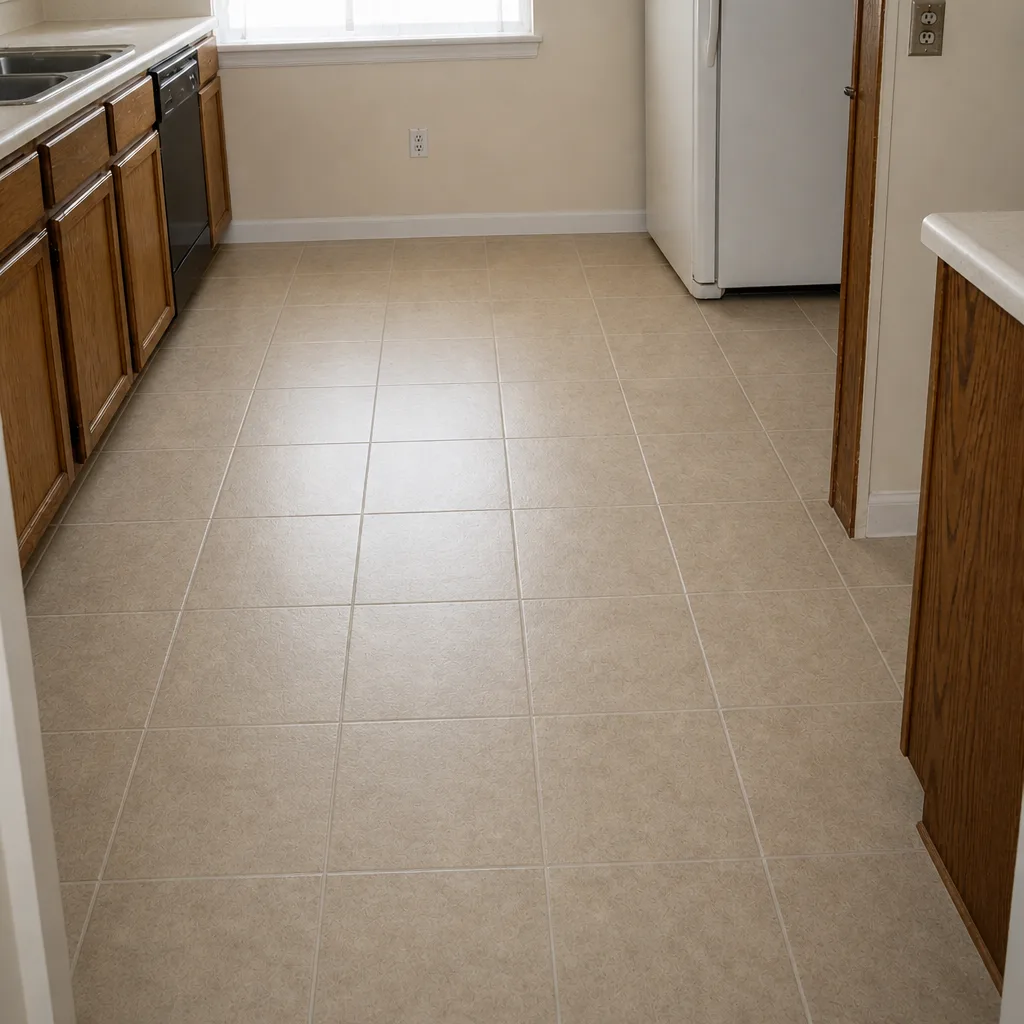 After
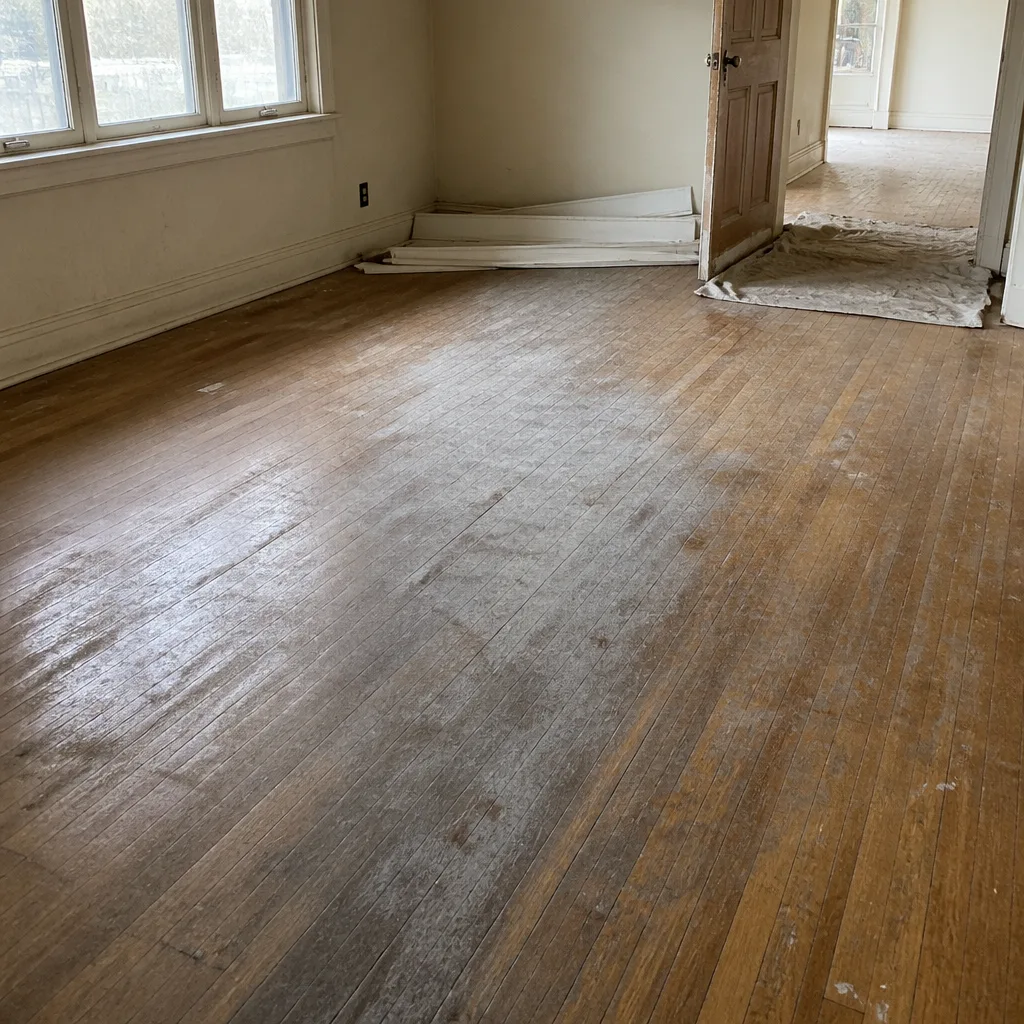 Before
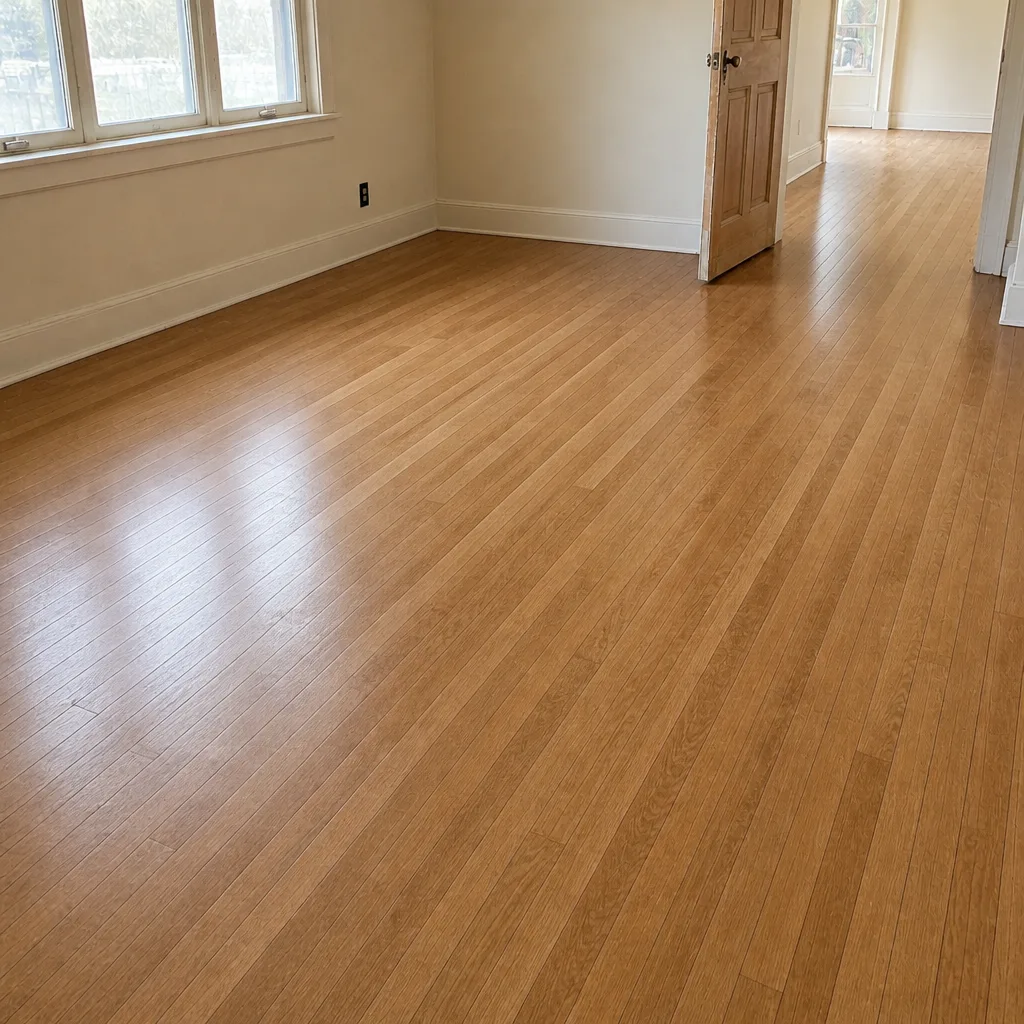 After
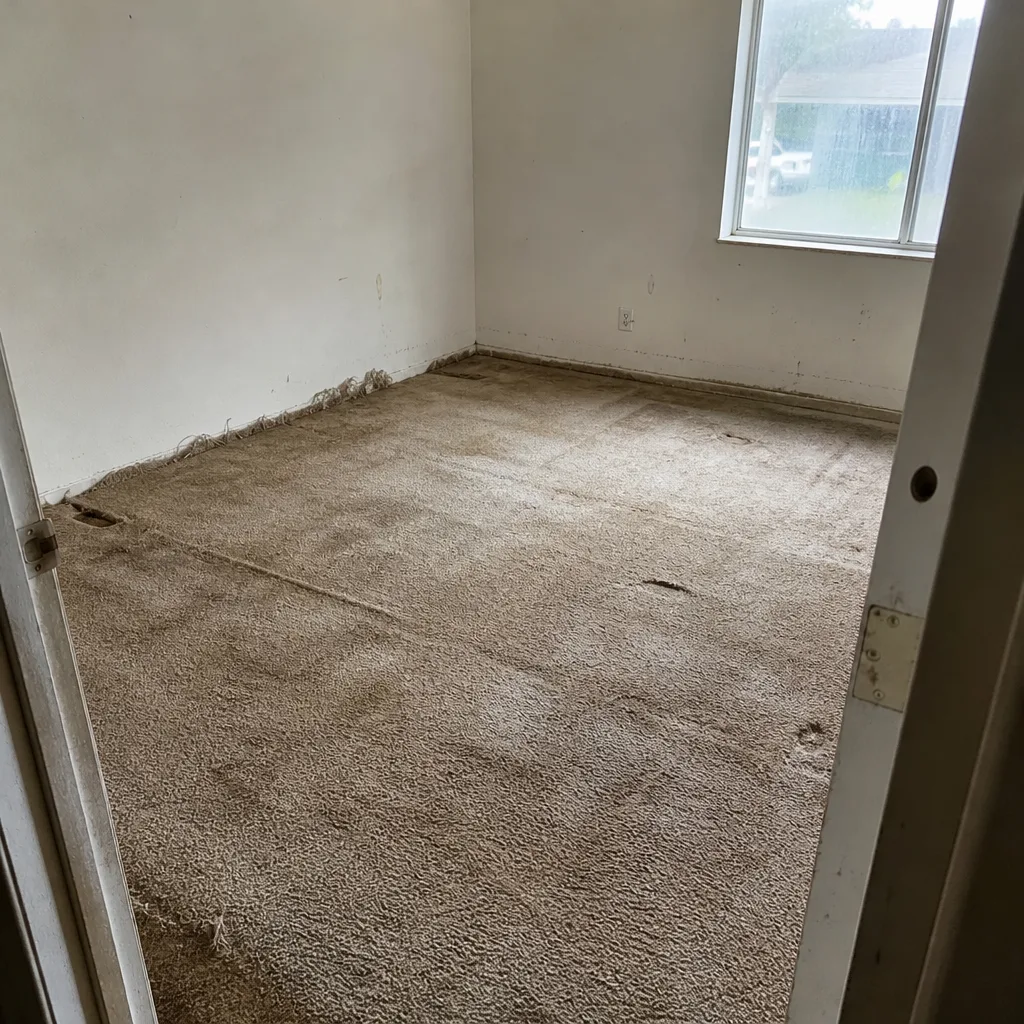 Before
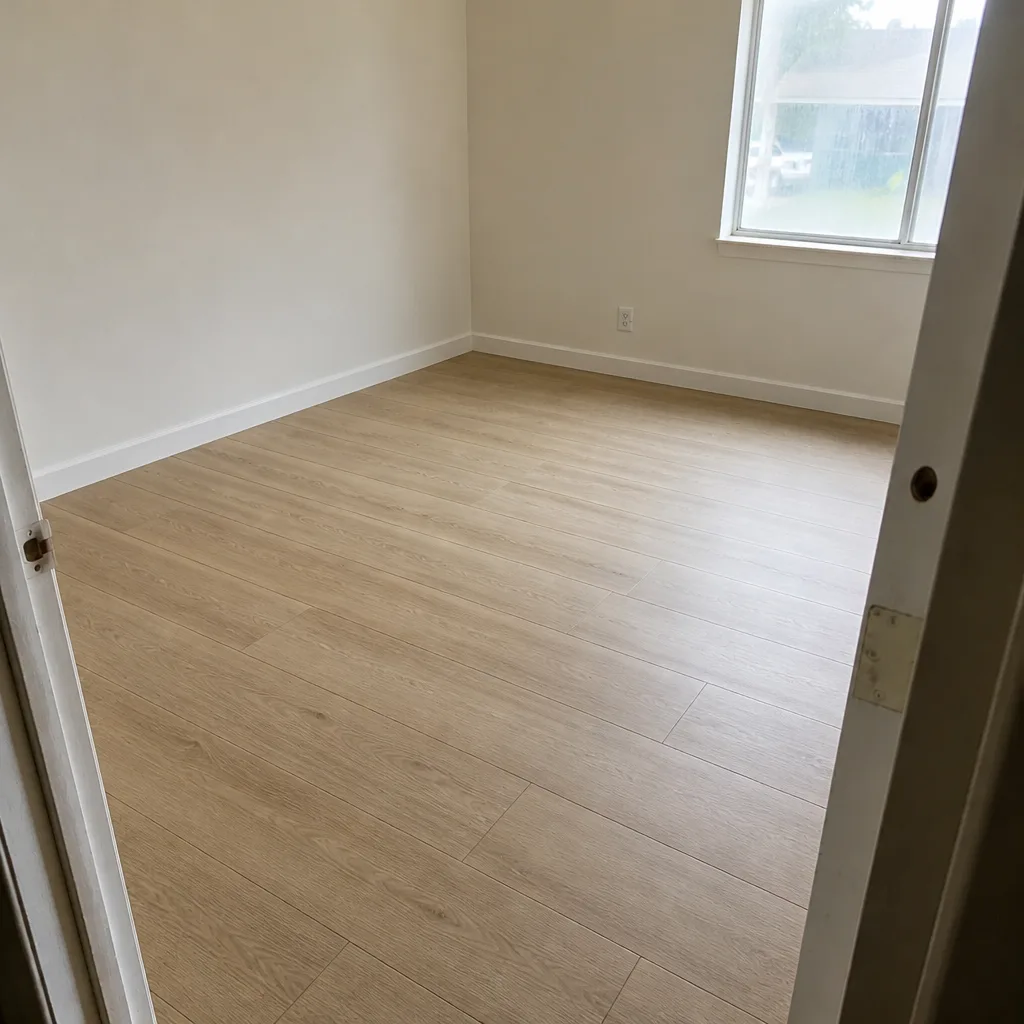 After
When to Call a Professional
Some flooring questions you can sort out yourself. A lot of them you can’t, and calling a professional is the smart move. If your concrete slab shows cracking or the old floor is lifting at seams, that’s a sign the subfloor needs a professional look before any new floor goes down. If your existing hardwood is worn and you’re trying to decide between refinishing and replacement, that’s a call. If you’re coordinating more than one type of flooring across a whole-home project and want the sequencing and transitions to line up, that’s a call. If you’ve been quoted a number you don’t fully understand and want a second set of eyes, that’s a call too. Flooring Boulder City offers free estimates in Boulder City – call (833) 842-8455 to schedule yours. We answer 24/7, with fast dispatch from 7am to 7pm, Sunday through Friday. Our technicians have up to 11 years of experience, and we carry carpet, tile, and hardwood under one contractor.
Frequently Asked Questions
Yes. The in-home estimate is free, with no obligation. A specialist comes to the home, measures the rooms, checks the subfloor, discusses product options, and delivers a written quote. The quote is what you pay for the work; the visit itself is not a billable appointment. Call (833) 842-8455 to schedule your free estimate.
For a single room, plan on 30 to 45 minutes. For a whole-home project or multiple products being compared, allow closer to an hour or more. The time depends on how many rooms are being measured and how many product conversations you want to have. The visit is where the real information gets gathered, so it’s worth the hour.
Have a rough sense of which rooms you’re flooring, how you use each room, and whether you’d rather refinish existing hardwood or replace. Clear access to each room helps with measurements. You don’t need to move furniture before the estimate; the point is to assess the space, not prep it. If you have a preference between carpet, tile, or LVP for a specific room, mention it.
No. Coming in with no preference is often better because the estimator can compare options side by side for each room. If you know you want carpet in the bedrooms and tile flooring installation in the bathroom and kitchen, that’s enough to have a productive conversation. If you’re undecided, ask for quotes on more than one product.
A firm quote has a specific number for each line item. A placeholder says “as needed” or “if applicable,” which means the final price could go up. Ask for per-square-foot pricing on any placeholder line so you know the range before you sign. If you can’t get a range, treat the quote as a starting point only.
Yes. We refinish existing hardwood and install new carpet, tile, and luxury vinyl as part of the same project. That covers a whole-home update under one contractor, without coordinating separate trades for each surface. This is one of the ways we work with homeowners in Boulder City. Call (833) 842-8455 to schedule your free estimate.
The Bottom Line
The free in-home flooring estimate is a diagnostic appointment, and it’s worth treating as one. What the estimator inspects, what they ask, and what ends up on the written quote determine whether the price you accept is a fair number or a low one that grows after work starts. In Boulder City, where slab construction and desert heat shape how floors age, those checks are especially important. Get multiple product options priced in one visit. Compare quotes on scope, not just product. Ask about prep, transitions, and baseboards. A clear written estimate from a team that carries carpet, tile, and hardwood under one contractor is the difference between a smooth project and a long-running negotiation. Call (833) 842-8455 to schedule a free estimate.
Written by the team at Flooring Boulder City.