
Last updated November 18, 2026
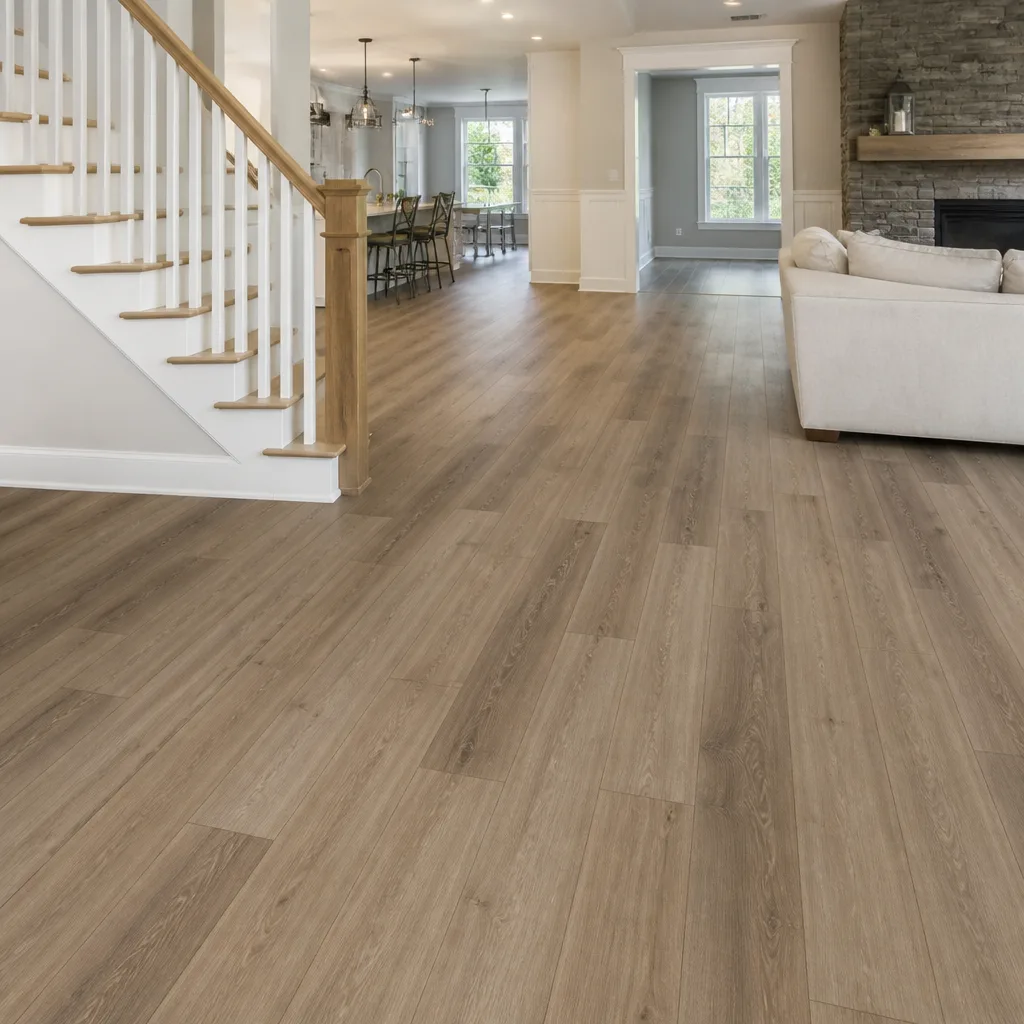 Luxury vinyl plank
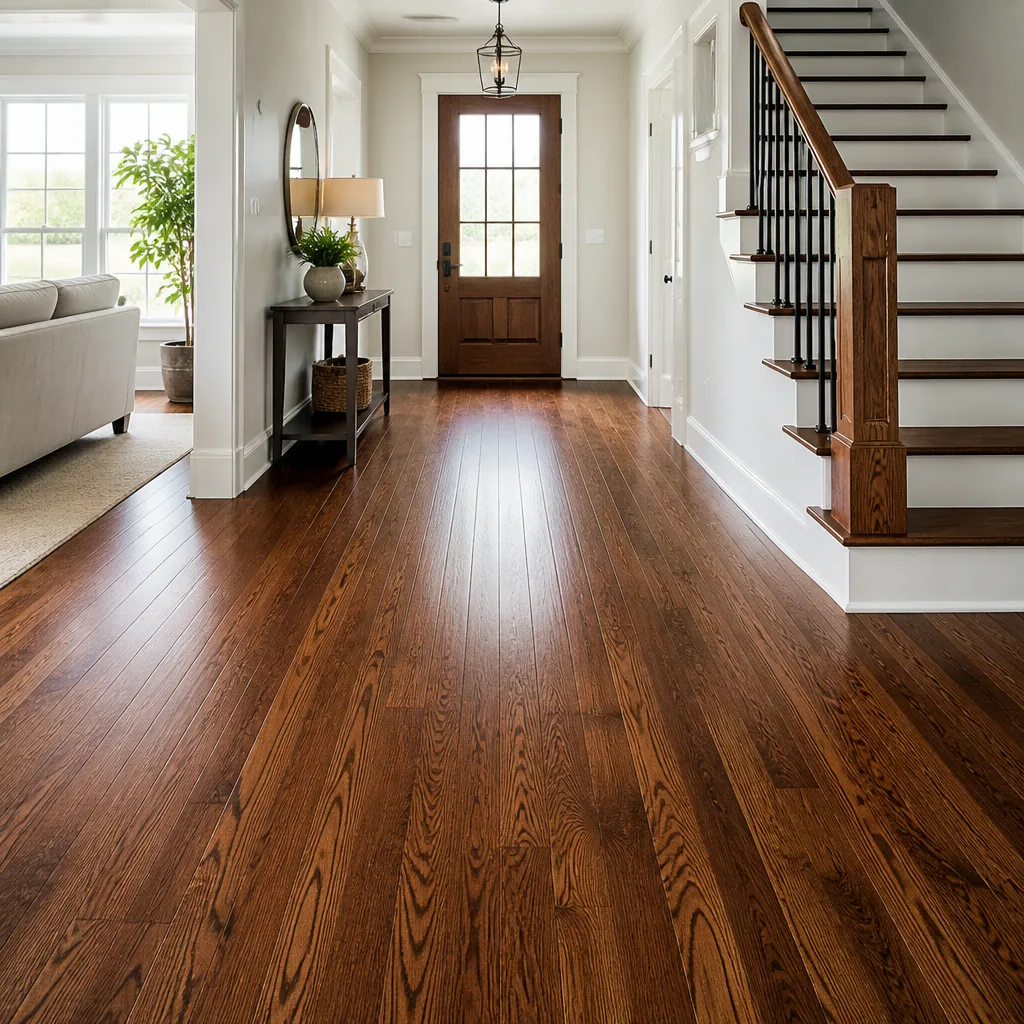 Hardwood
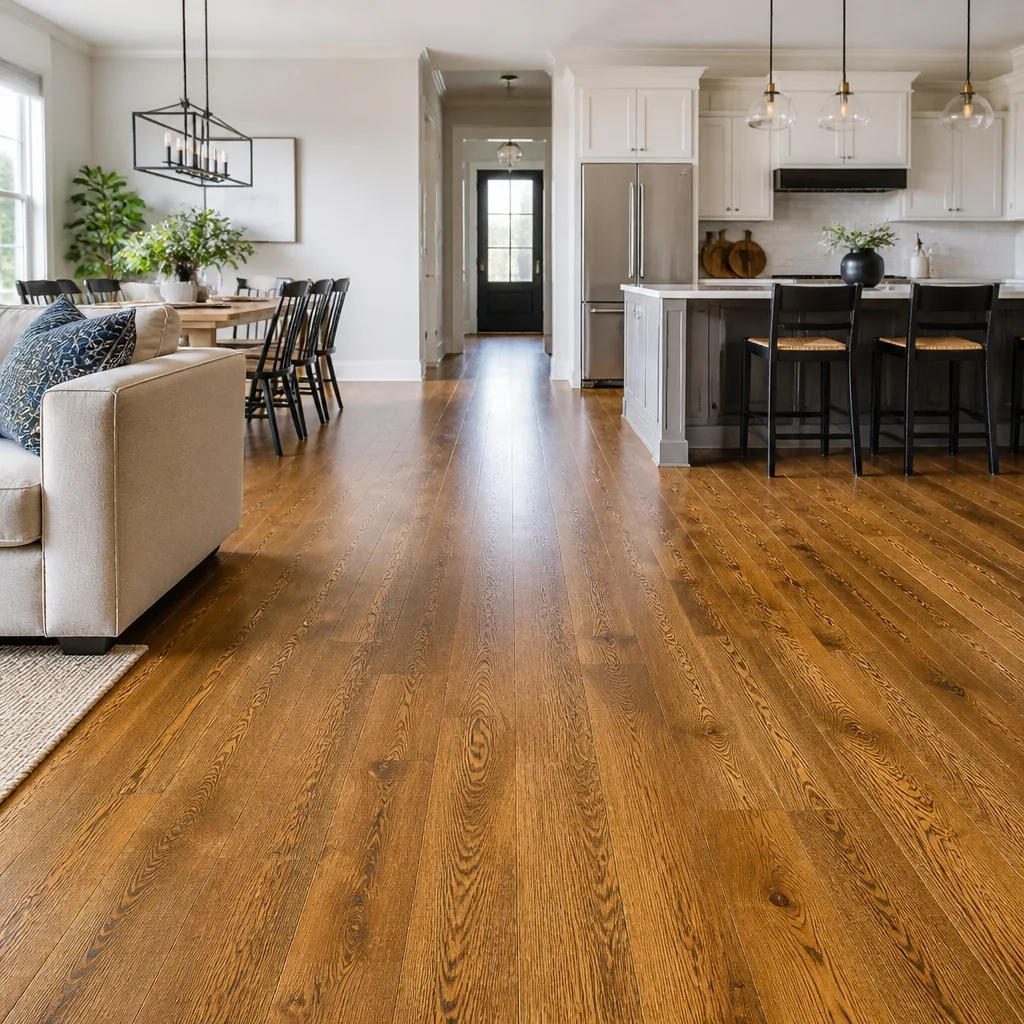 Engineered hardwood
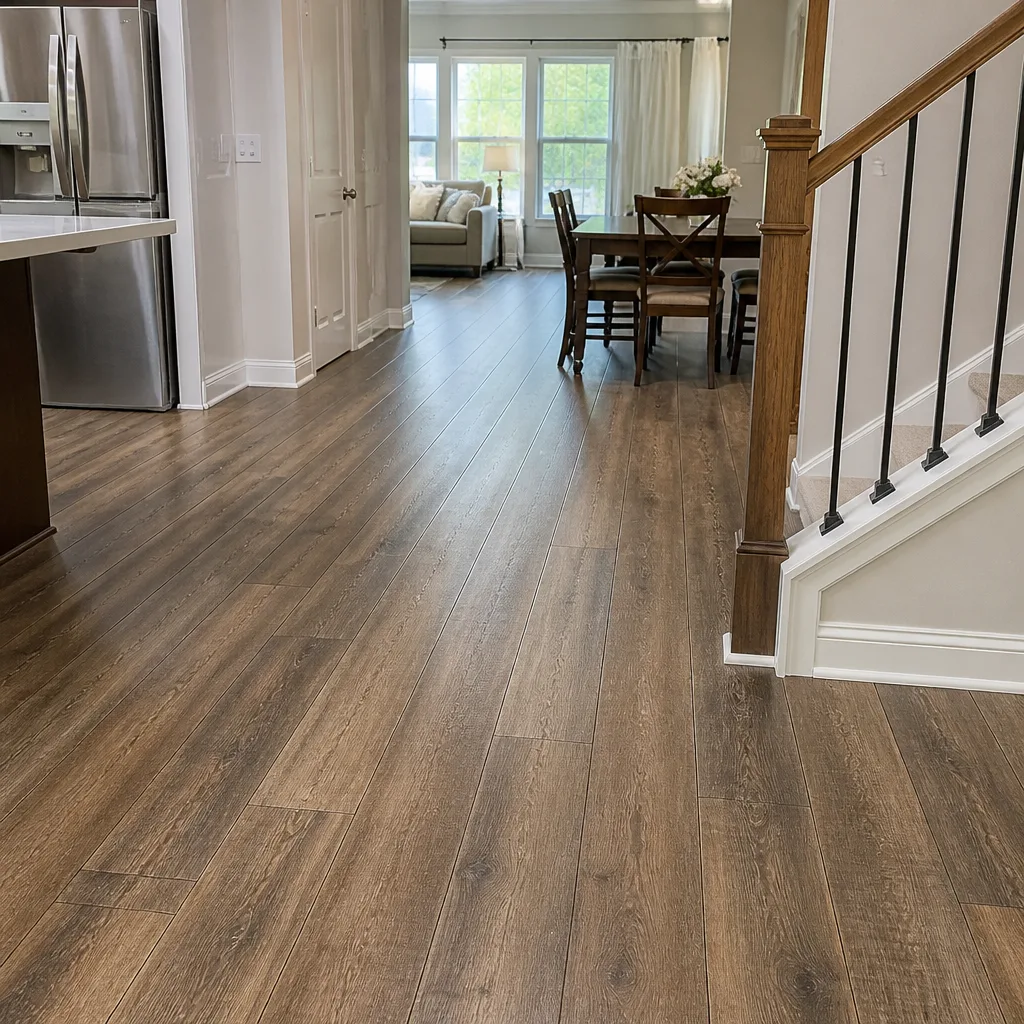 Laminate
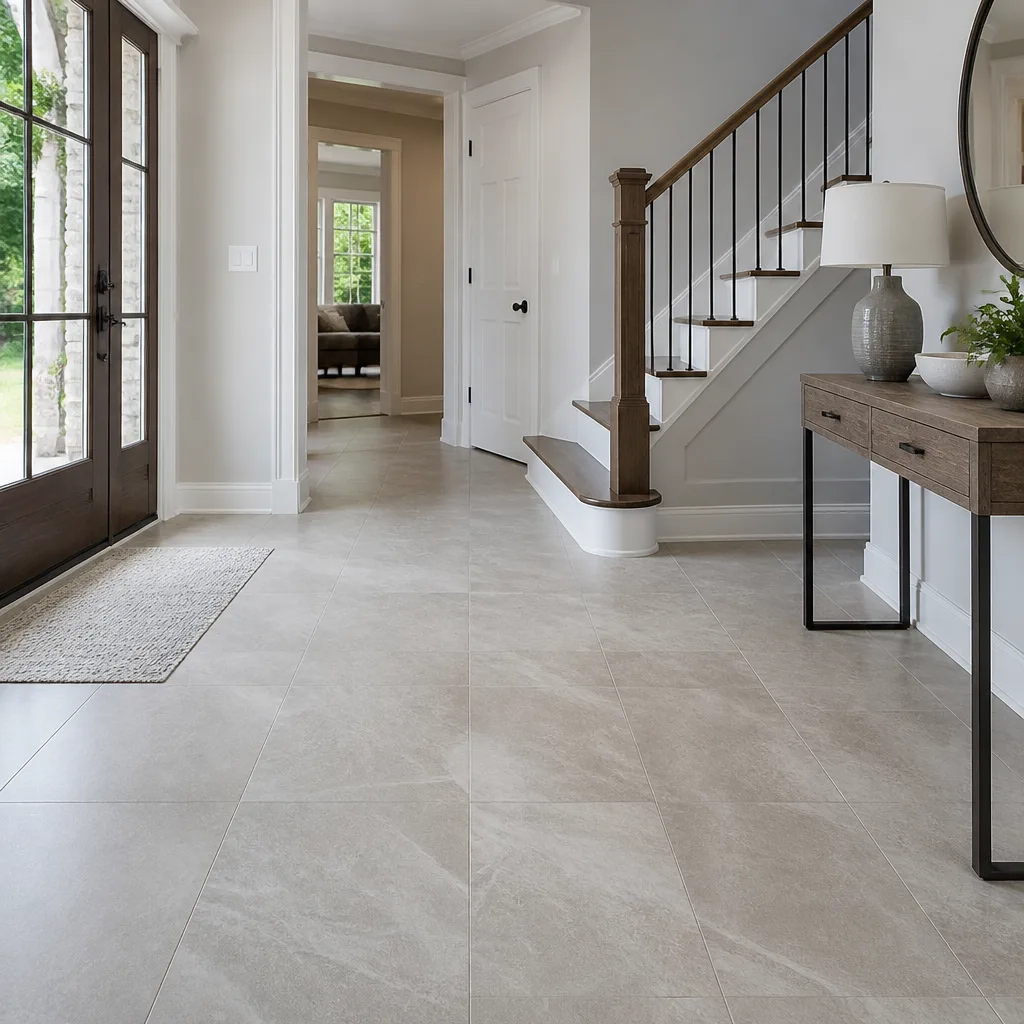 Porcelain tile
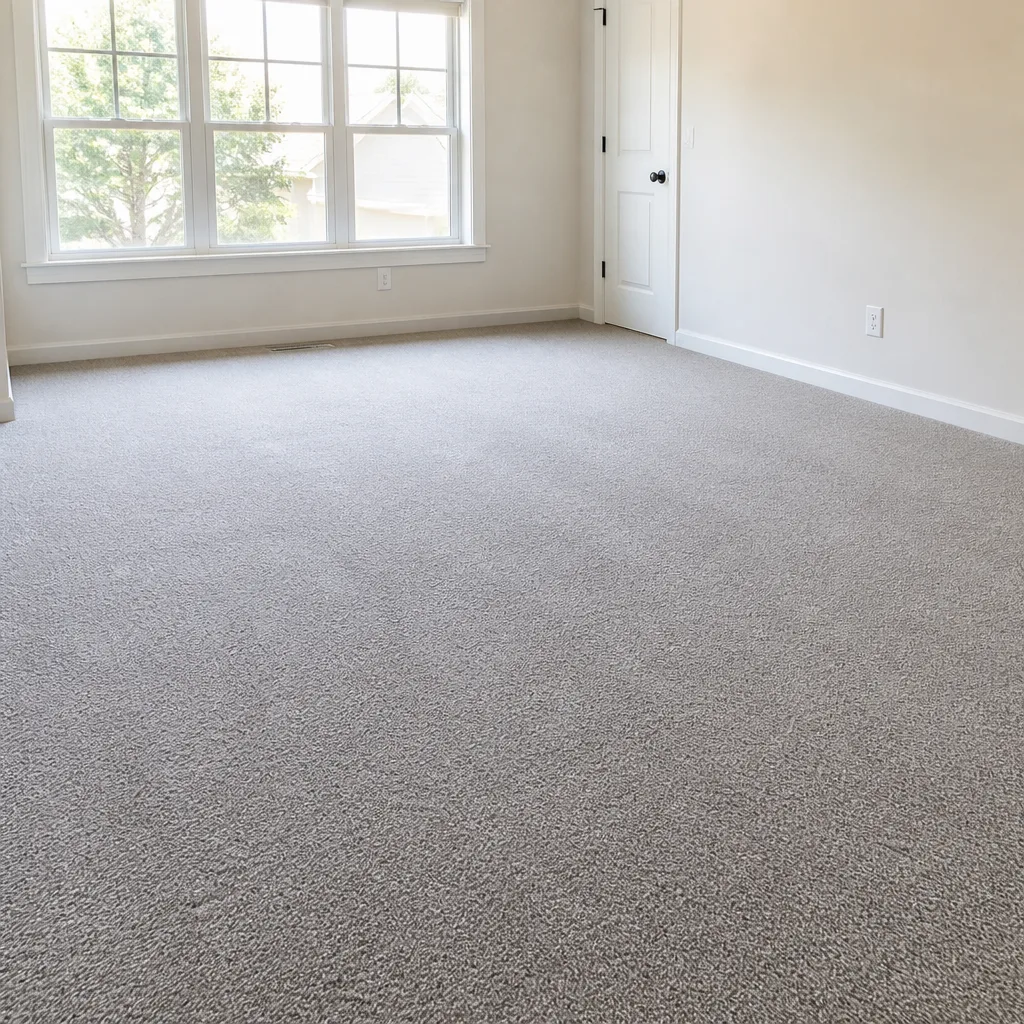 Carpet
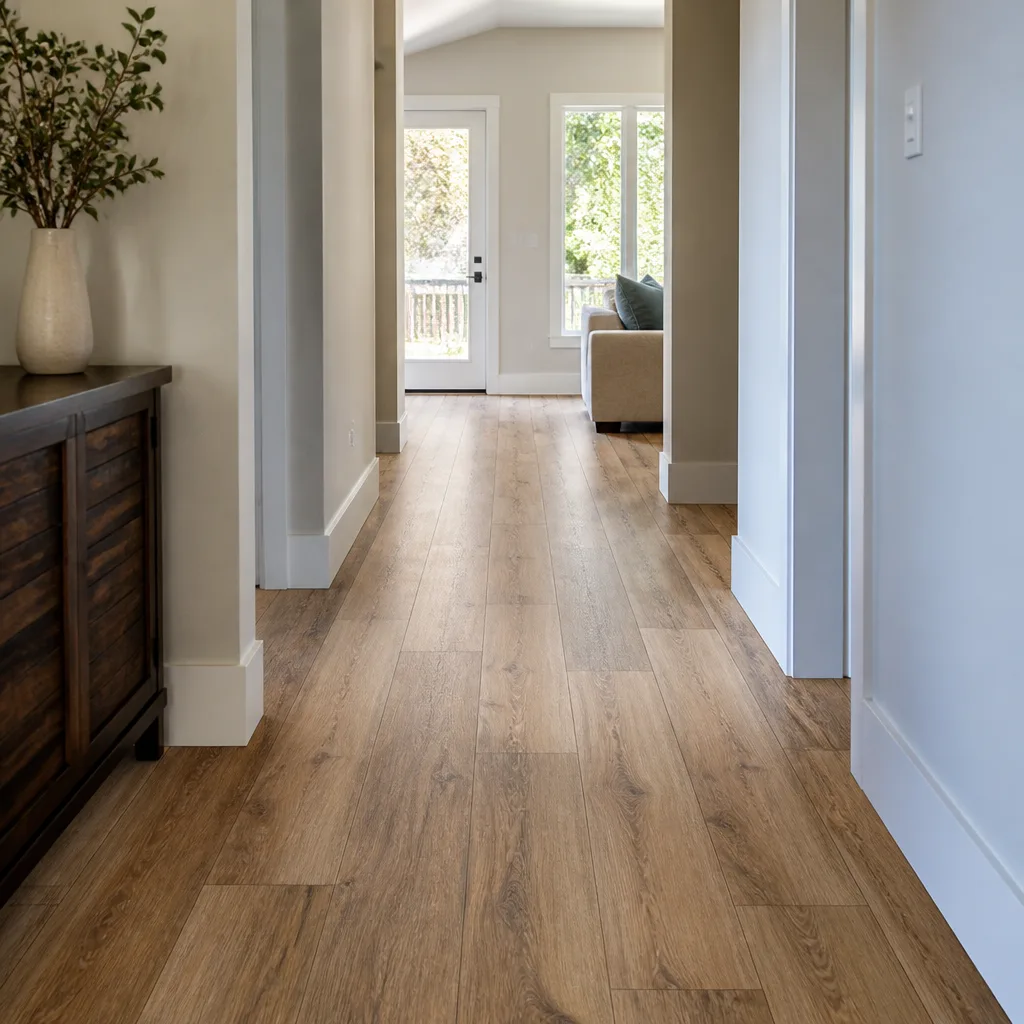 Shaw
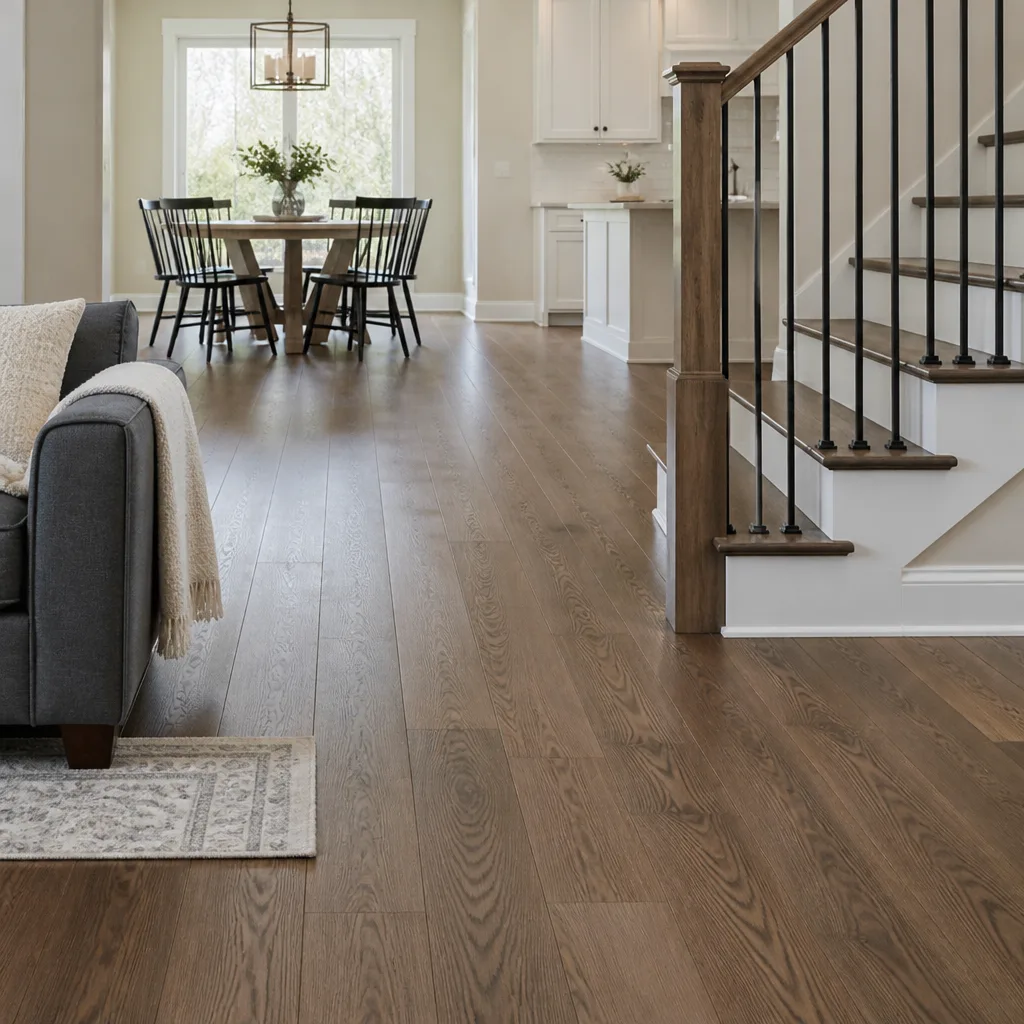 Mohawk
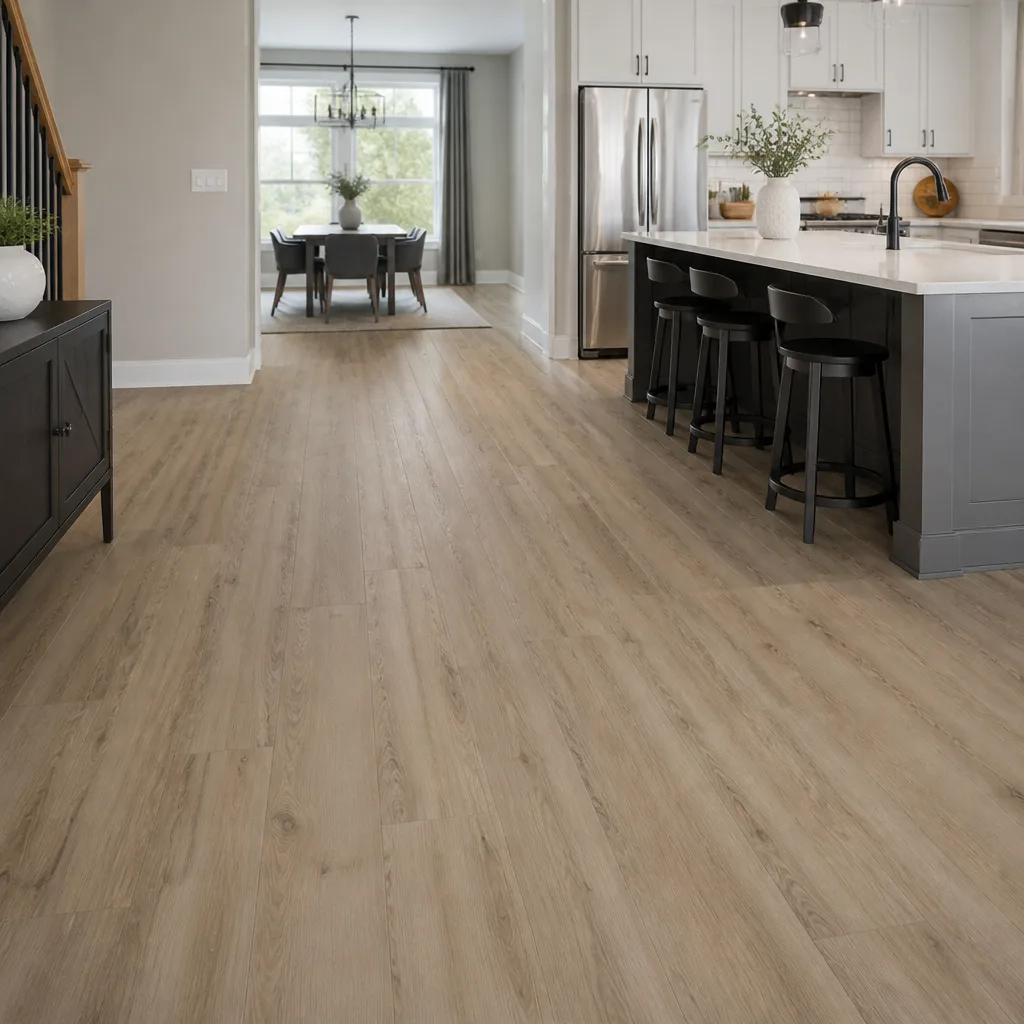 COREtec
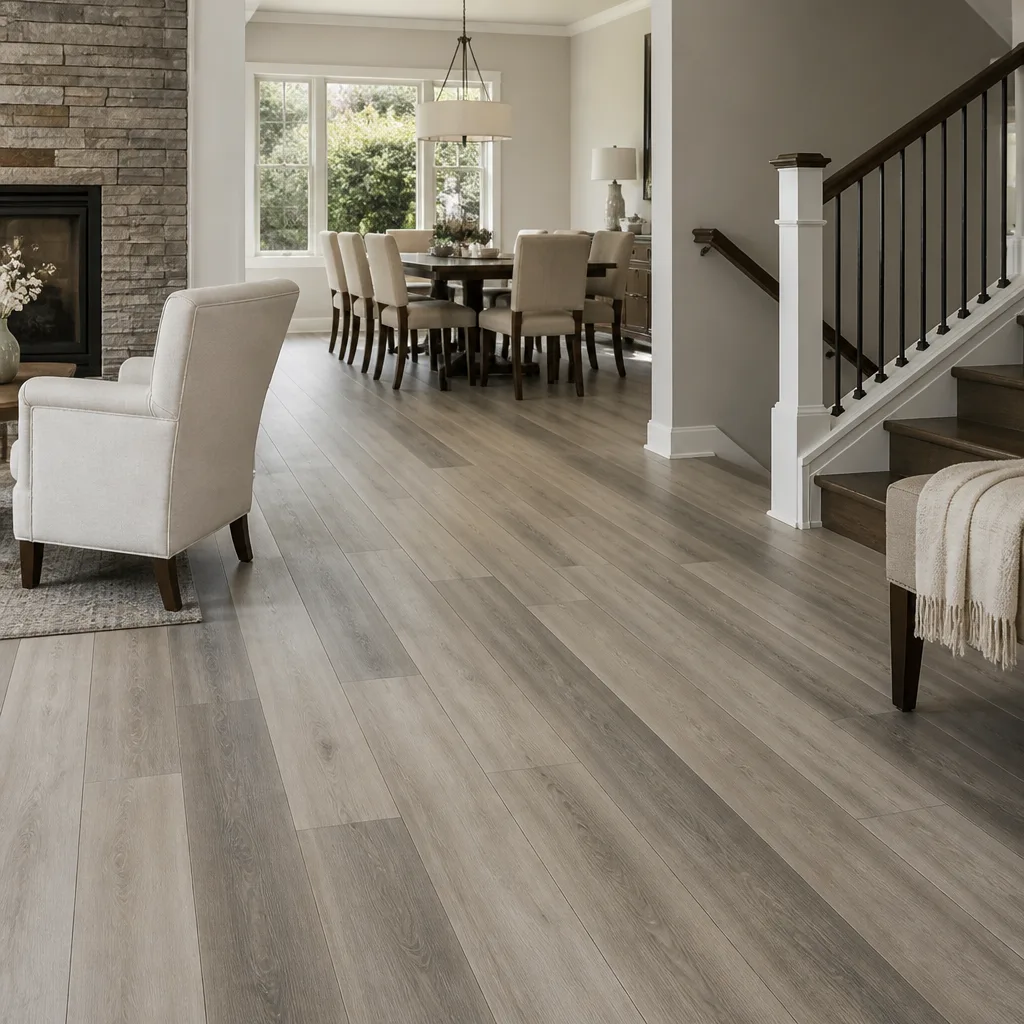 Pergo
Free in-home measure and written estimate: Shaw, Mohawk, COREtec and Pergo lines compared on your own rooms, with carpet, tile, vinyl plank, laminate and hardwood laid out side by side
Get your free estimateHardwood, Vinyl Plank, Laminate or Tile: How Boulder City Homeowners Decide
Solid hardwood is the flooring most American homeowners say they want. It’s also the one most likely to let them down in Boulder City, and not from a spill or a leak. The desert does the damage: months of single-digit humidity pull moisture out of the boards, and wood that wasn’t conditioned for it shrinks, gaps, cups, and cracks. The floor that looks perfect in a showroom photo can be the wrong floor for a room on a concrete slab in the Mojave. This guide skips the brochure version and gives you a decision framework built around how each product actually behaves here, so the choice you make holds up in year five, not just on install day.
Quick Answer
In Boulder City, most homeowners land on luxury vinyl plank or tile for the main living areas and save hardwood for bedrooms or rooms where they’ll accept the maintenance. LVP (especially SPC construction) handles dry air, warm slabs, and dropped objects with the least fuss. Tile wins in wet rooms and entryways outright. Solid hardwood is the highest-risk choice on a slab in low humidity, and engineered hardwood is the honest middle ground when you want real wood but need dimensional stability.
Styles & brands we work with
- Hardwood
- Engineered hardwood
- Luxury vinyl plank
- Laminate
- Porcelain tile
- Carpet
- Shaw
- Mohawk
- COREtec
- Pergo
Table of Contents
- How Boulder City’s Desert Climate Changes the Decision
- Solid vs. Engineered Hardwood: What Survives Here
- SPC vs. WPC Vinyl Plank: Why Construction Matters
- Where Laminate Fits – and Where It Doesn’t
- Tile: The Clear Winner, With Real Trade-Offs
- The Boulder City Decision Tree
- Mixing Surfaces in a Whole-Home Project
- Common Mistakes to Avoid
How Boulder City’s Desert Climate Changes the Decision
Every flooring decision in Boulder City starts with one fact that doesn’t show up in most buying guides: the air is dry, and it stays dry for long stretches. Summer relative humidity often sits between 10% and 20%, and the indoor air in a well-sealed, air-conditioned home can be drier still. Wood flooring is a hygroscopic material – it takes on and gives off moisture with the surrounding air. When the air is this dry, wood loses moisture and shrinks. That shrinkage is what produces the gaps between boards, the cupping at the edges, and, over enough cycles, the cracks along the grain.
The seasonal swing matters as much as the low point. Wood that expands in a slightly more humid stretch and then contracts hard when the dry air returns is being worked back and forth. A floor that was installed without conditioning the material to the home’s actual conditions has no room to move, and that’s when the damage shows up. This is not a knock on hardwood. It’s a reason hardwood needs to be chosen and installed with the local climate in mind rather than copied from a photo of a house in a temperate state.
There’s a second local factor: the slab. Much of the housing stock in Boulder City sits on concrete slab-on-grade construction, and a slab can hold warmth through the day and release it slowly. That warm surface affects what you can bond directly to it, and it affects how each flooring type performs over time. A material that’s stable over a cool subfloor may behave differently over a warm slab in a sun-facing room. Before any flooring goes down, the slab itself decides a lot.
- Low humidity dries out wood and laminate, causing gaps and shrinkage.
- Wide seasonal swings stress any material that expands and contracts.
- Warm slab-on-grade favors materials that tolerate temperature without adhesive failure.
- Intense sun through south- and west-facing glass fades and heats whatever sits in its path.
Solid vs. Engineered Hardwood: What Survives Here
Solid hardwood is one thick piece of wood from top to bottom. It’s beautiful, it can be sanded and refinished multiple times, and it’s the material with the strongest resale story. It’s also the most dimensionally active: it moves the most with humidity changes, and on a slab in a dry climate it has the least tolerance for error. Solid wood generally wants to be nailed over a wood subfloor rather than glued or floated over concrete, which narrows where it can go in many Boulder City homes. Where it can be installed, it has to be conditioned to the home and given room to move.
Engineered hardwood is a real wood top layer over a plywood core. The cross-ply core resists the moisture movement that solid wood can’t, so it holds its dimensions far better across dry and humid seasons. That stability is why engineered hardwood is the honest middle ground in Boulder City: you get genuine wood underfoot and something that survives the climate far more gracefully than solid. The catch is thinner wear layers. A floor with a thin top layer can only be refinished lightly, if at all, so refinishing potential depends heavily on which product you choose.
So when is engineered wood worth the premium over luxury vinyl plank? Two honest answers:
- It’s worth it when the room is low-traffic and you value real wood. Bedrooms, a study, a formal living room. You want the material and feel, and the traffic is gentle enough that you’ll get the years out of it.
- It’s worth it when resale matters and you plan to stay put for a while. Buyers still respond to real wood. If this is a long-term home and the floor is part of the value story, engineered hardwood earns its cost.
It’s not worth the premium when the room takes heavy traffic, when pets and kids are in the mix, or when you’re renovating to sell quickly and the buyer will never notice the difference. If we’re honest, in those cases a good vinyl plank gives you most of the look for less worry.
SPC vs. WPC Vinyl Plank: Why Construction Matters
Luxury vinyl plank has become the fastest-growing residential category, and for good reason in a desert town. It’s water-resistant, it tolerates dry air without shrinking, and it takes a knock without the drama that comes with wood. But “vinyl plank” covers two very different cores, and the difference matters over a warm slab in Boulder City.
SPC (stone plastic composite) has a rigid limestone-and-plastic core. It’s dense, it stays flat, it resists temperature swings well, and it’s a strong fit for slab-on-grade floors that warm up during the day. Because the core is rigid, it doesn’t telegraph every imperfection in the concrete the way a soft, flexible floor can. That rigid core is exactly what you want in a room that gets warm sun.
WPC (wood plastic composite) has a softer, foam-like core. It’s comfortable underfoot and quieter, but it moves more with temperature and can be less forgiving on a slab that sees real heat. In a climate where indoor temperatures can climb fast, SPC is generally the more stable choice over concrete.
This is where product selection earns its keep. We carry COREtec and Pergo luxury vinyl plank, alongside Shaw and Mohawk across categories, and the reason is simple: you get a range of constructions to match the room, not one product pushed onto every job. Worth knowing before you shop:
- SPC – rigid core, stable over warm slabs, good for most living areas.
- WPC – cushioned core, warmer and quieter underfoot, better on stable subfloors.
- Thickness of the wear layer – varies by product; matters more in high-traffic rooms.
- Water resistance vs. waterproof – LVP handles spills and surface moisture well, but standing water and moisture coming up from below still have to be dealt with. No floor fixes a wet slab.
If the room has a history of damp or the slab is suspected of holding moisture, that’s a subfloor question first. Get the moisture sorted, then choose the plank.
Where Laminate Fits – and Where It Doesn’t
Laminate is a printed photographic layer over a dense fiberboard core. It’s tough, it’s affordable relative to hardwood, and modern laminate looks better than most people remember. Its weak point is moisture, and in a dry climate that weakness shows up from below rather than from above. The fiberboard core swells if it takes on water, whether from a spill that sits or, more often, from a slab that’s holding moisture. A laminate floor that gets wet from underneath can buckle and permanently warp, and it can’t be sanded out the way wood can.
That makes laminate a fit for the right spot rather than a bad material. It works well in dry, above-grade rooms, bedrooms, and spaces where you want a wood look without the maintenance of real wood. It’s less suited to a basement or a room where moisture from the slab is a known issue, and it doesn’t belong in bathrooms or laundry rooms. If you’ve got your heart set on the wood look in a room with slab questions, SPC vinyl plank is usually the safer bet for the same design intent.
In a Boulder City home, laminate also has to be judged on sun. A room with a large west-facing window takes intense afternoon sun, and laminate’s printed layer can fade over time in direct light. It’s a reason to consider window coverage as much as which plank you choose.
Tile: The Clear Winner, With Real Trade-Offs
Tile is the flooring that flat-out belongs in Boulder City’s climate. Porcelain and ceramic don’t care about dry air, they don’t shrink or cup, they handle a warm slab without complaint, and they’re genuinely easy to keep clean. For bathrooms, laundry rooms, entryways, and kitchens, tile has no real rival. Daltile’s porcelain and ceramic lines give you a range of looks from stone to wood-look, so the climate-proof choice doesn’t have to look clinical.
Where tile asks for a trade-off is comfort and sound. Hard tile is cold underfoot in the morning, hard on standing legs in a kitchen, and it reflects sound rather than absorbing it. A tile floor throughout an open living area can feel echoey and less warm than wood or vinyl. In Boulder City that cold-underfoot concern is milder than in colder climates, but the acoustics are real, and a large hard-surface home can sound hollow. Rugs help, but they’re a workaround.
Grout lines are the other consideration. They need sealing and maintenance, and in a climate that’s hard on materials, choosing grout color and a sealant you’ll actually keep up with matters. Large-format tile with narrow grout lines reduces the maintenance load. Where tile wins outright:
- Bathrooms, showers, and laundry rooms
- Entryways and mudrooms that see grit and traffic
- Kitchens, especially near sinks and appliances
- Any room where moisture or spills are a routine fact of life
For a full look at how tile compares to other surfaces room by room, our tile flooring installation page walks through the options.
The Boulder City Decision Tree
You don’t have to hold every variable in your head at once. Work through these questions in order, and the product usually narrows itself down before budget even enters the picture. This is the same path we walk a homeowner through at an estimate:
- Is the room wet? Bathroom, laundry, entryway – go tile. No debate needed.
- Is the subfloor a concrete slab, and is it suspected of holding moisture? If yes, resolve the moisture first, then favor SPC vinyl plank or tile over solid hardwood or laminate. If it’s a wood subfloor above grade, your options widen considerably.
- Does the room get heavy sun through south- or west-facing glass? Favor SPC vinyl plank or tile; be cautious with laminate and with finishes that fade.
- Is it a high-traffic room with pets or kids? SPC vinyl plank. It takes the traffic without the maintenance a wood floor demands.
- Do you value real wood and plan to stay long-term? Engineered hardwood for bedrooms and quieter living spaces; solid hardwood only where it can be properly conditioned and installed.
- Are you renovating to sell quickly? Think about what a buyer will actually notice. Good vinyl plank and tile get noticed; an expensive wood floor in a quick flip often doesn’t.
If you only remember one thing from this guide, make it this: in Boulder City, climate eliminates some options before aesthetics or budget enter the conversation. Get the material right for the room and the climate first, then choose the color and pattern.
Mixing Surfaces in a Whole-Home Project
Most whole-home flooring projects in Boulder City end up mixing surfaces rather than doing one material wall to wall. That’s usually the right call. Tile in the wet rooms, LVP in the high-traffic living areas, hardwood or engineered wood in the bedrooms. The challenge is making mixed surfaces feel intentional rather than patched together, and coordinating the trades so you’re not managing three different contractors for the same project.
This is where choosing a specialist matters. When one team handles carpet, tile, and hardwood, you avoid the finger-pointing that happens when the tile setter and the floor installer disagree about a transition strip. We supply and install from a portfolio that spans the categories – Shaw, Mohawk, COREtec, Pergo, and more – so we can match the right material to each room rather than force one product everywhere. If you’re planning a whole-home project, start with our flooring in Boulder City overview, and our carpet installation page covers the soft-surface rooms that round out the plan.
Two practical notes on mixed projects:
- Transitions matter. Where tile meets vinyl plank, the transition detail is what makes two floors look deliberate. Plan it at the estimate, not the day of install.
- Sequencing matters. If you’re also refinishing existing hardwood, that work should be scheduled so it isn’t disturbed by the new install. A single plan avoids the scramble.
And when you have worn wood that’s structurally sound, consider refinement before replacement. Refinishing extends the life of an existing floor, often for less than the cost of new material, and it keeps a floor that already fits the room.
Common Mistakes to Avoid
- Choosing solid hardwood for a slab without conditioning it. Skipping acclimation in low-desert humidity is one of the most common ways a good wood floor fails early. The material has to adjust to the home’s actual conditions before it goes down.
- Ignoring slab moisture because the air is dry. A dry climate doesn’t mean dry concrete. Moisture coming up through a slab can ruin laminate and lift adhesive-backed floors, so it should be checked before anything is installed.
- Buying WPC instead of SPC for a warm, sun-facing room. A softer core can move over a slab that heats up, so match the core construction to the room.
- Treating any vinyl plank as waterproof. Water-resistant is true; waterproof ignores the water that comes from below. Standing water and slab moisture still have to be handled.
- Picking tile for a whole living area without considering acoustics. Hard floors reflect sound. A tile-everywhere home can sound hollow, and a large area rug won’t fully fix it.
- Pricing the change before checking the subfloor. The slab is the foundation of every decision. A subfloor problem discovered after the material is chosen is an expensive surprise.
- Refinishing a floor that can’t take it. Not every hardwood floor can be sanded and refinished. It depends on the thickness of the wood and its condition, which should be checked at the estimate visit, not assumed.
See the difference
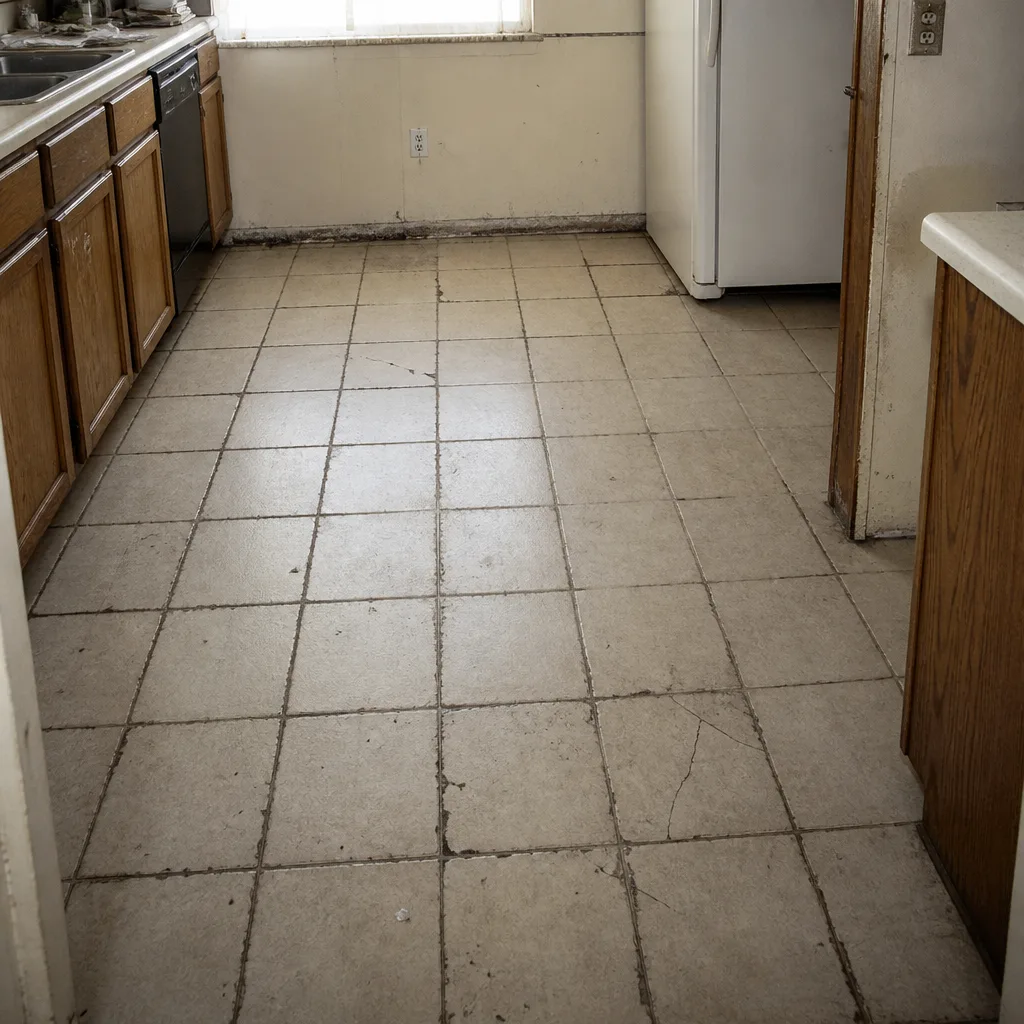 Before
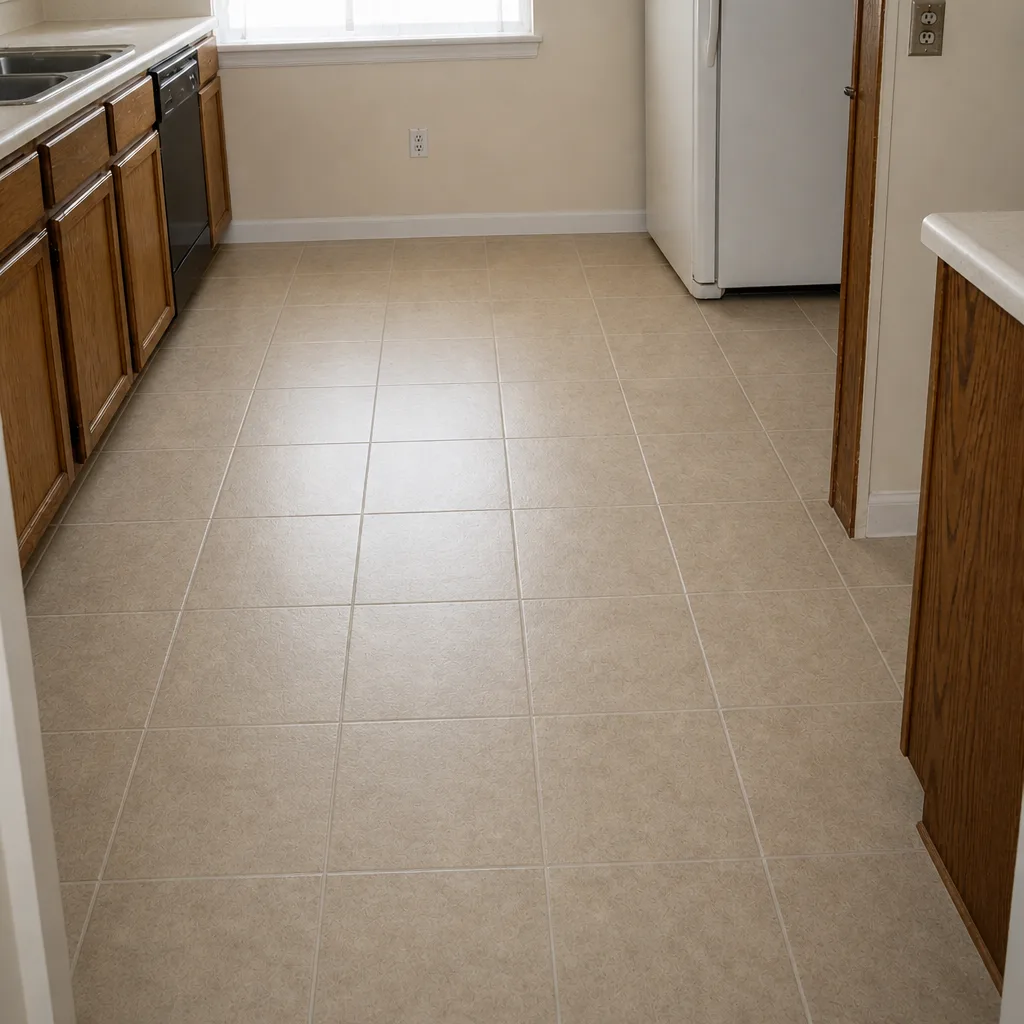 After
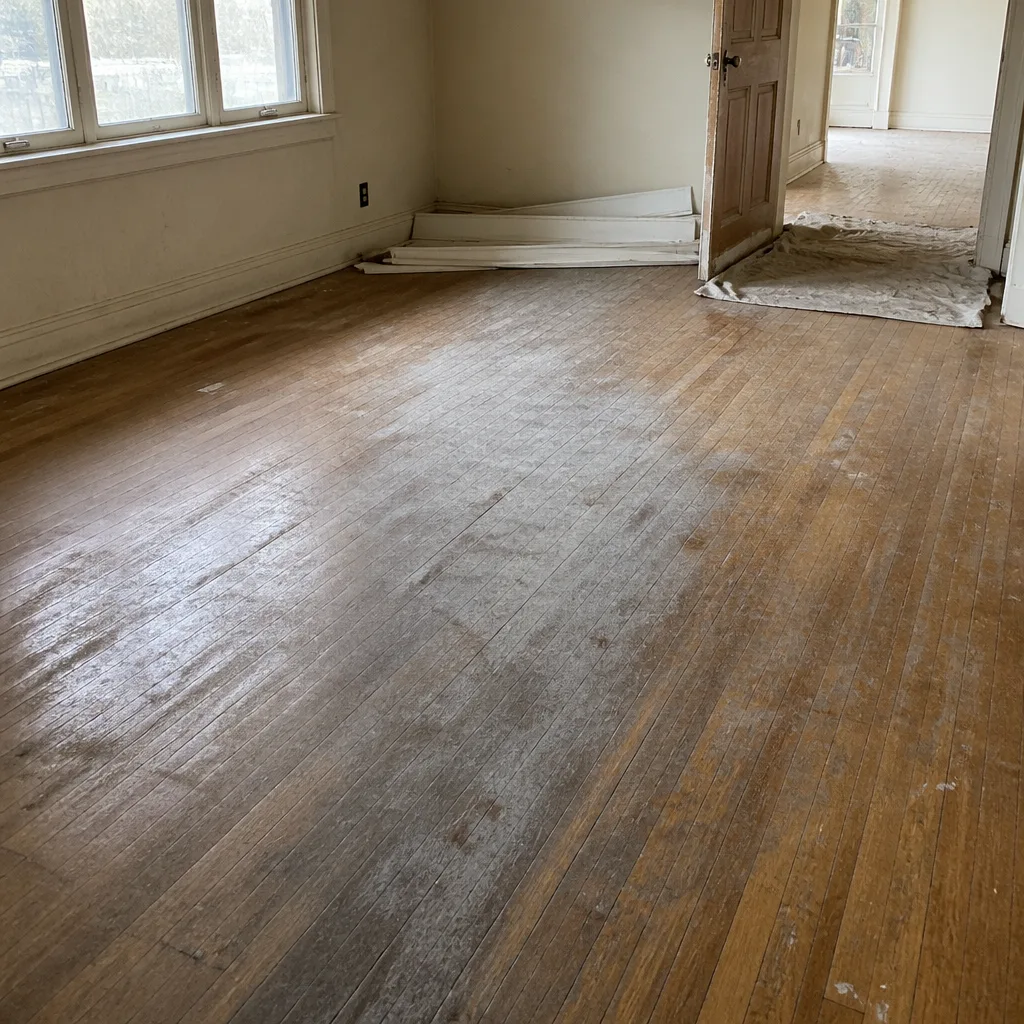 Before
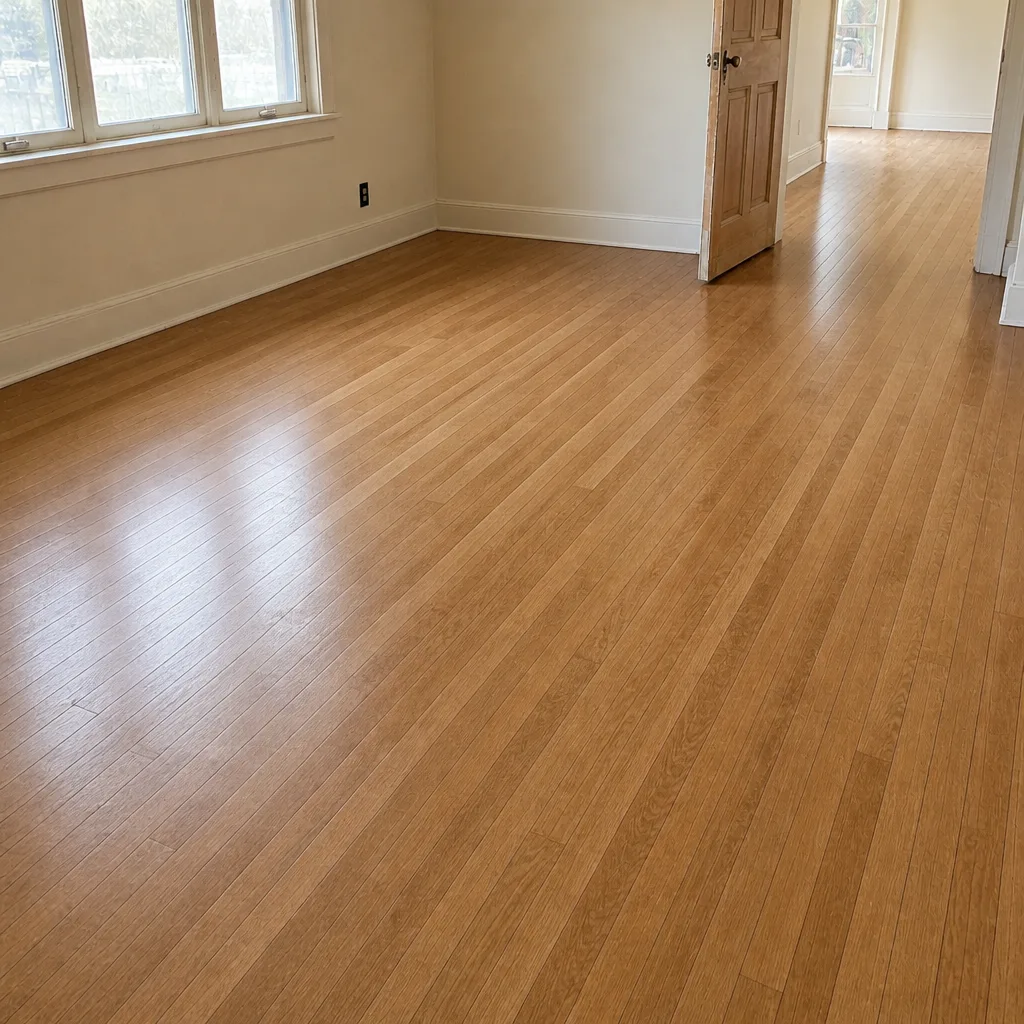 After
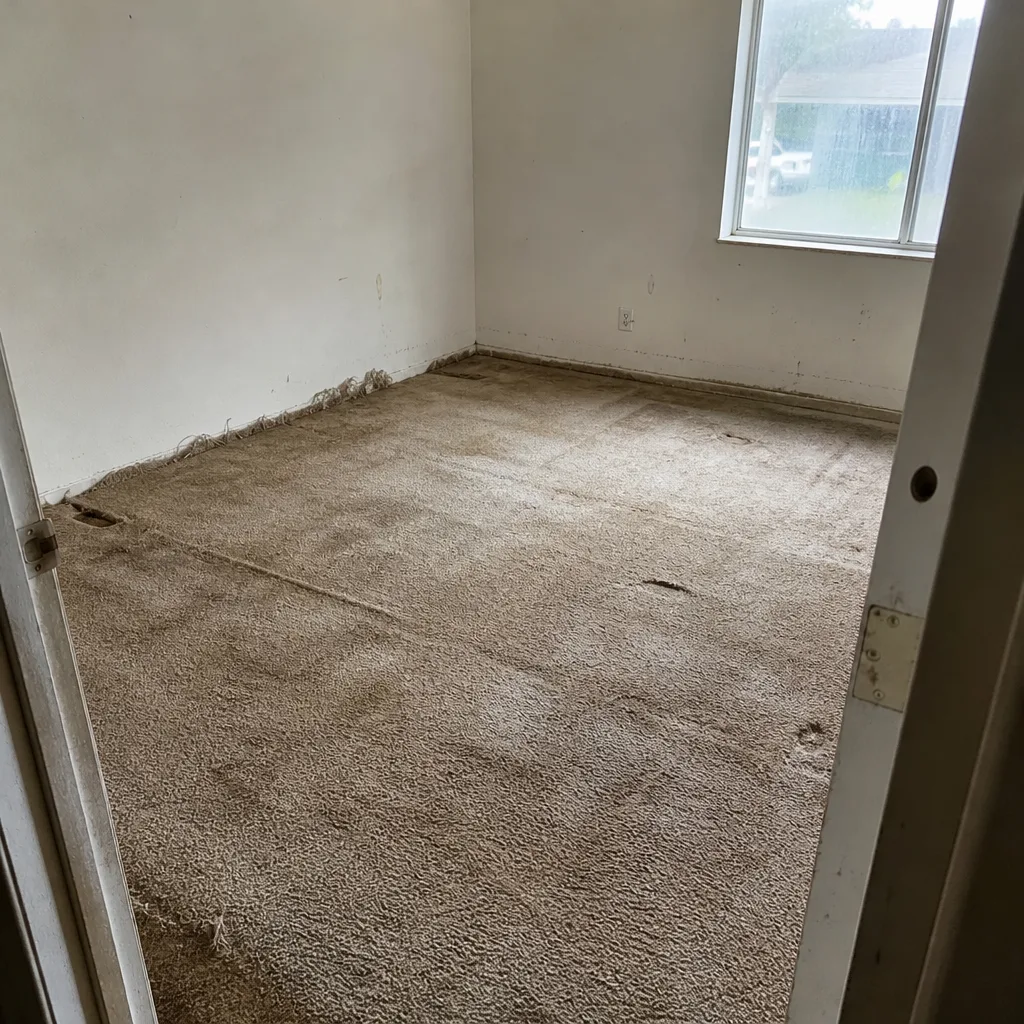 Before
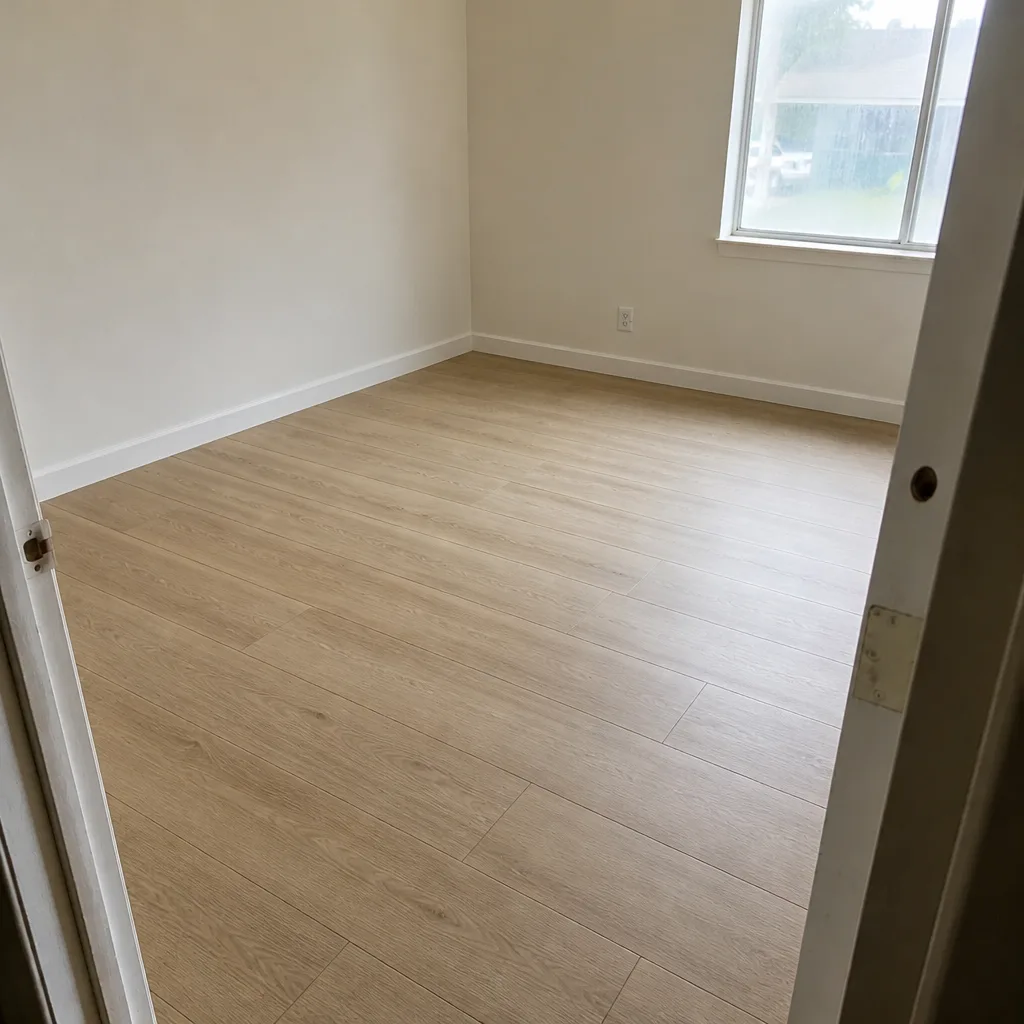 After
When to Call a Professional
Some flooring decisions are safe to make on your own. Installing a floor over a warm slab in a low-humidity climate is not one of them. Call a professional when the subfloor is concrete and you’re not sure what’s underneath it, when existing hardwood is gapping or cupping and you need an honest read on whether it can be refinished, when a slab is suspected of holding moisture, or when you’re updating a whole home and need the surfaces to work together. A floor that’s installed wrong the first time is an expensive lesson, and a free in-home estimate is the cheapest way to avoid it.
Flooring Boulder City offers free estimates in Boulder City. Call (833) 842-8455 to book yours. We answer 24/7. Fast dispatch from 7am to 7pm, Sunday through Friday.
Frequently Asked Questions
For most Boulder City homes, luxury vinyl plank is the lower-risk choice for main living areas because it’s water-resistant and handles dry air and warm slabs without the shrinkage that affects wood. Hardwood is still the right answer for bedrooms or quiet rooms where you value real wood and plan to stay long-term. If you want wood but worry about stability, engineered hardwood is the middle ground.
Solid hardwood gaps because it loses moisture to dry air and shrinks. When summer humidity drops to the 10% to 20% range, wood boards give off moisture and the gaps between them open up, and repeated dry-and-wet cycles can lead to cupping and cracking. Conditioning the material to the home before install and giving it room to move reduces the damage, but it doesn’t eliminate the risk on a slab.
SPC has a rigid stone-composite core and WPC has a softer foam core. Over a warm slab in Boulder City, SPC holds its shape better and resists temperature movement, which is why it’s often the stronger choice for living areas. WPC is more comfortable and quieter underfoot but more likely to move with heat.
Tile can go through a whole house, but comfort and acoustics are the trade-offs. Tile is cold underfoot in the morning and reflects sound, so a fully tiled home can feel and sound hard. It’s the best choice for wet rooms and entryways; for living areas, many homeowners mix tile with LVP or wood to soften the effect.
Laminate can work over a slab if the slab is dry and the room isn’t damp. Its weakness is moisture from below: the fiberboard core can swell and buckle if it takes on water, and laminate can’t be sanded out the way wood can. If the slab is in question, SPC vinyl plank is the safer wood-look option.
Work room by room, not wall to wall. Start with the wet rooms (tile), then the high-traffic living areas (SPC vinyl plank), then the bedrooms (engineered hardwood or LVP). Climate sets the boundaries first, budget fills in the details, and a single team coordinating the install keeps the transitions and sequencing clean.
The Bottom Line
In Boulder City, the desert makes the flooring choice for you more than any showroom does. Solid hardwood is the highest-risk option on a warm slab in 10% to 20% humidity, engineered hardwood is the honest wood choice, SPC vinyl plank is the all-around workhorse for living areas, tile wins in wet rooms with comfort and noise trade-offs, and laminate fits dry rooms where moisture isn’t a factor. Get the subfloor and moisture sorted before you fall in love with a color. Then let the room, the traffic, and the sunlight narrow the rest. When you’re ready to price it, start with a free estimate rather than a purchase.
Written by the team at Flooring Boulder City.