
Last updated November 18, 2026
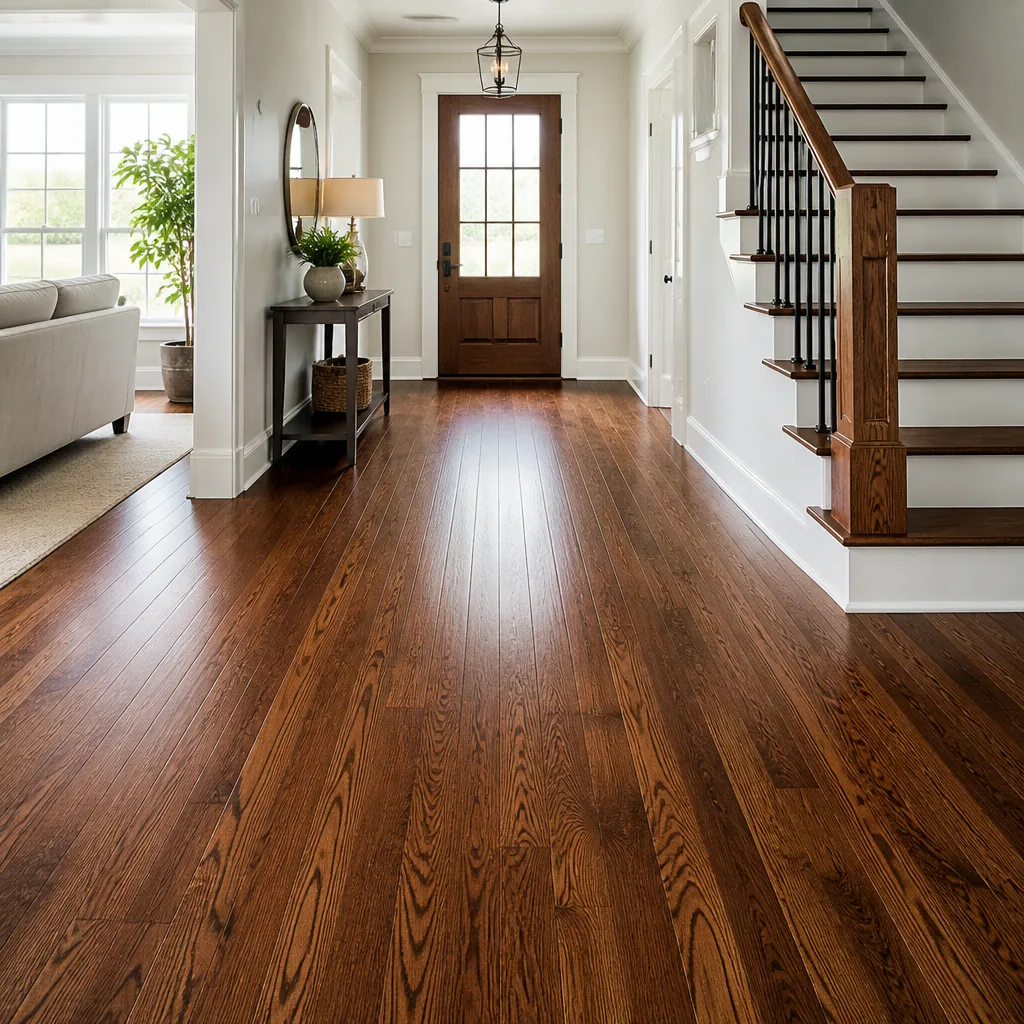 Hardwood
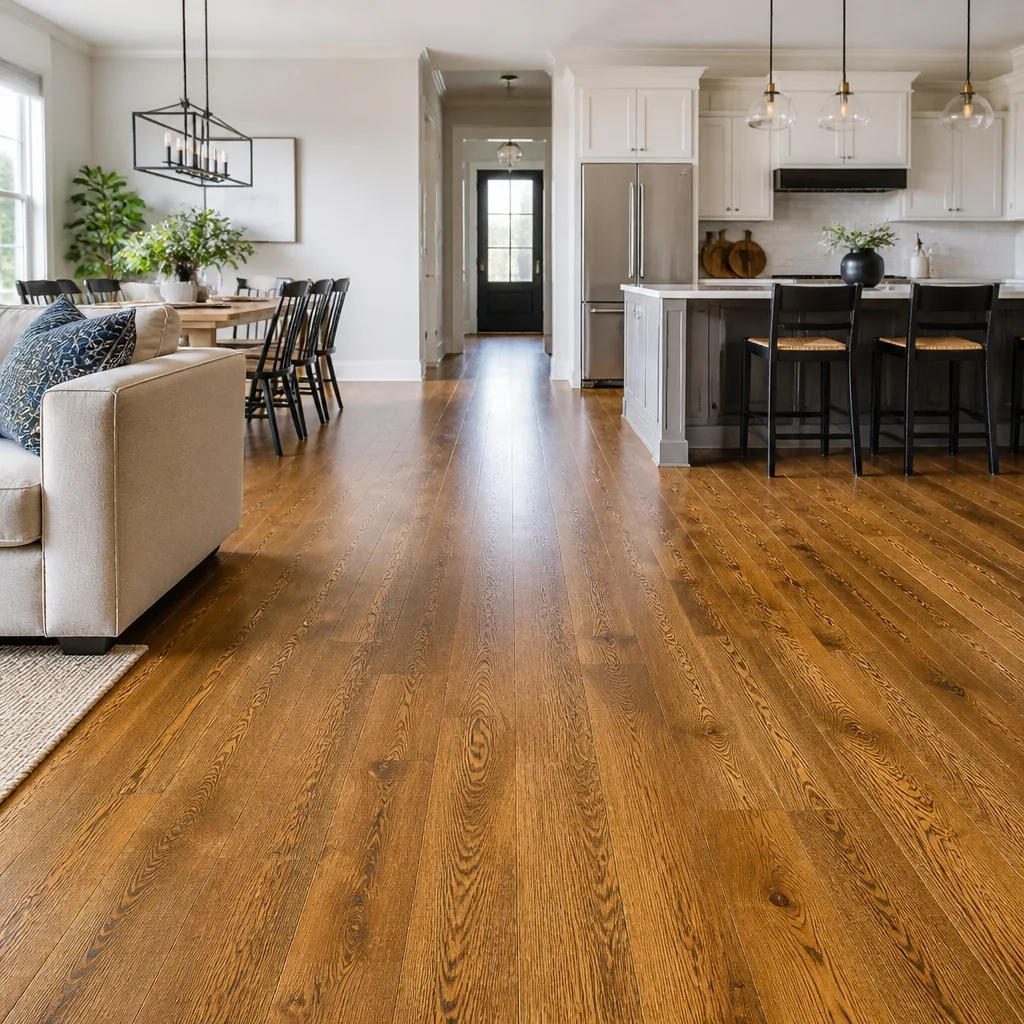 Engineered hardwood
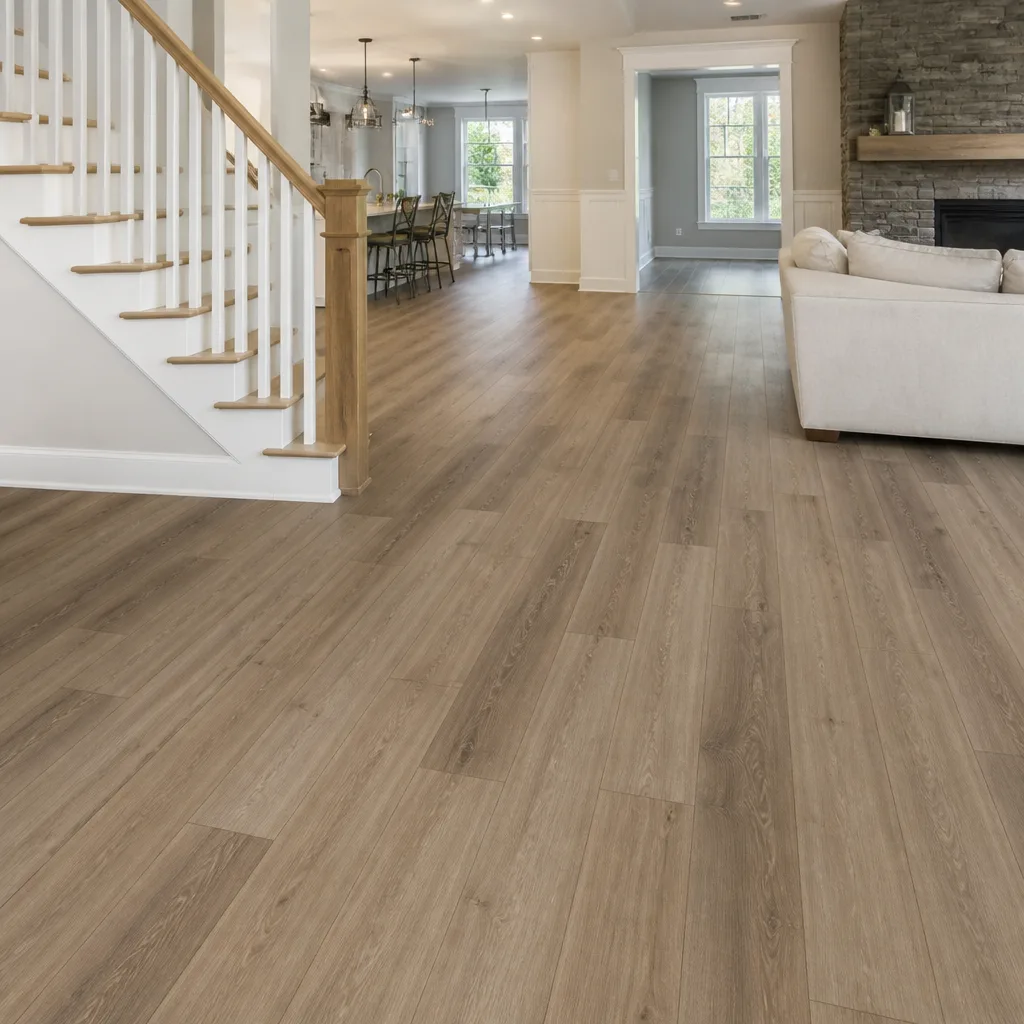 Luxury vinyl plank
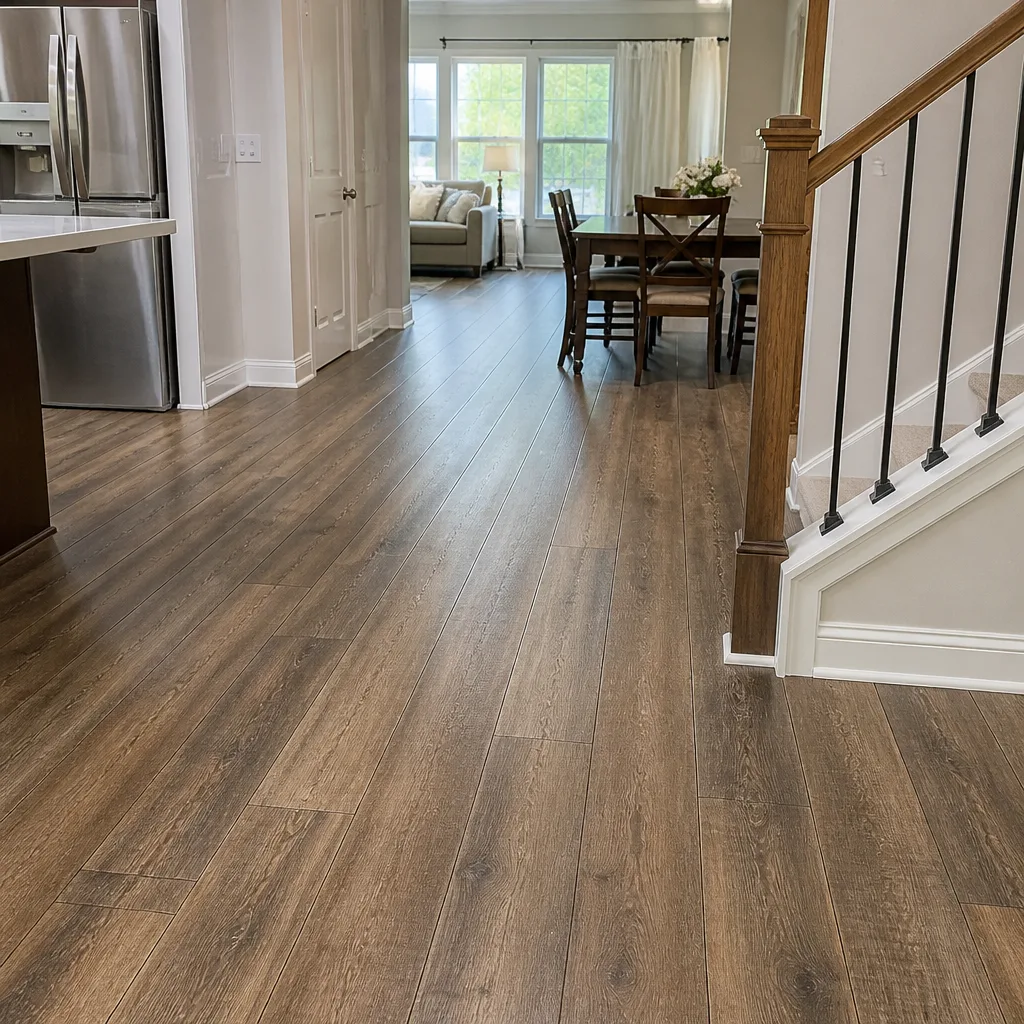 Laminate
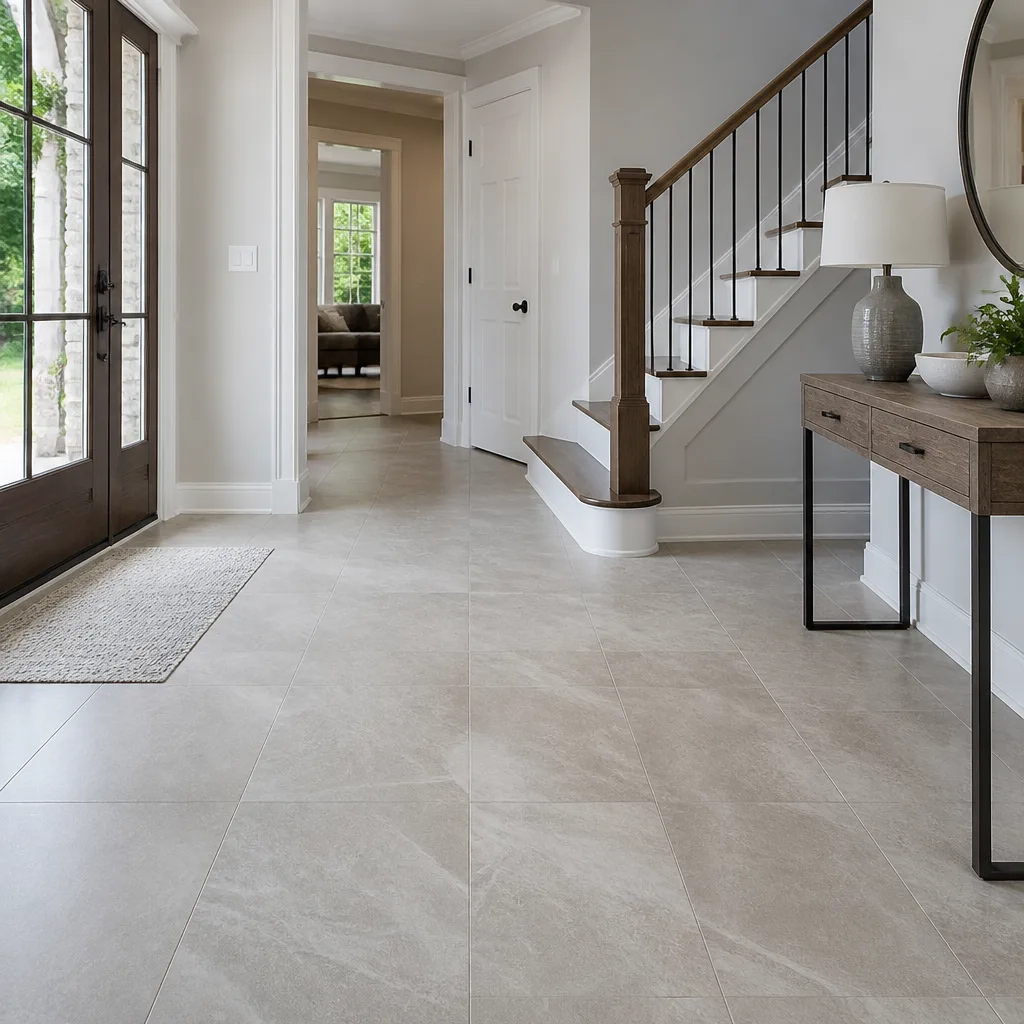 Porcelain tile
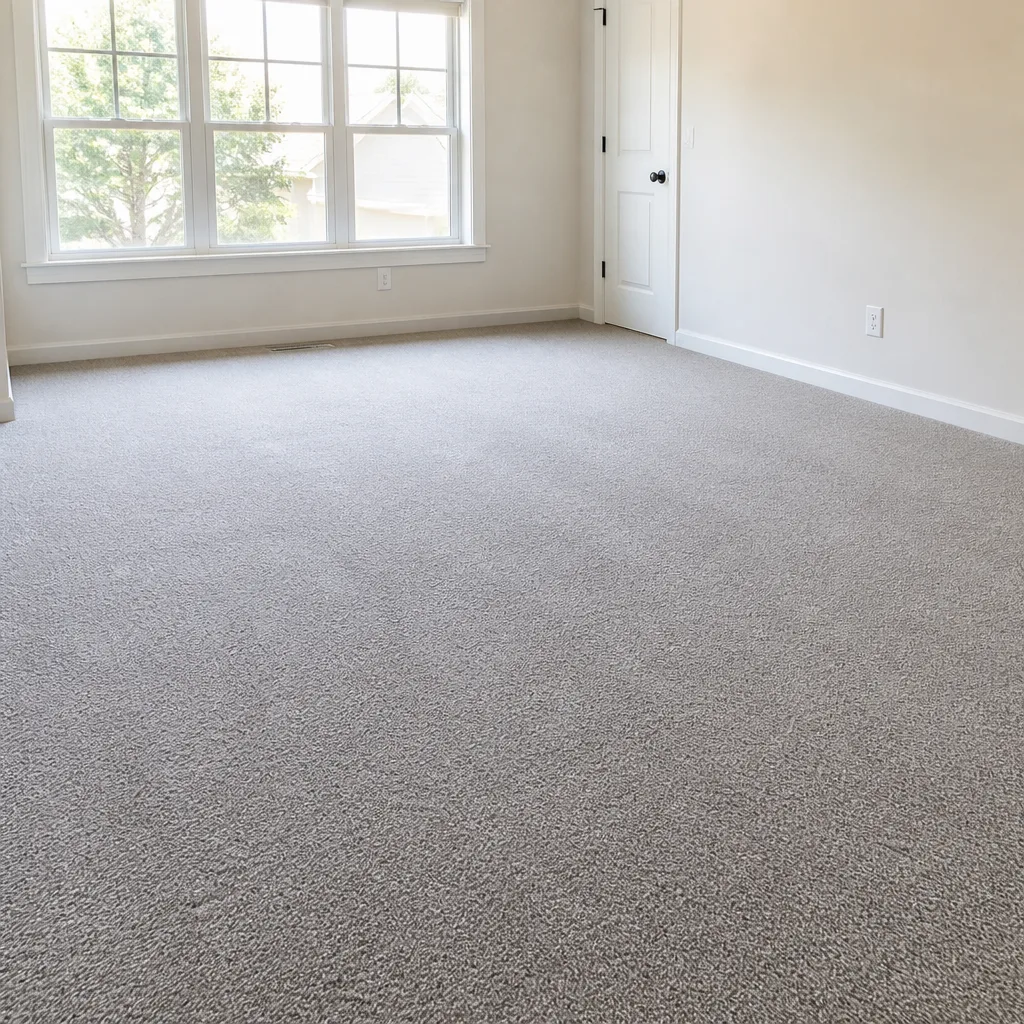 Carpet
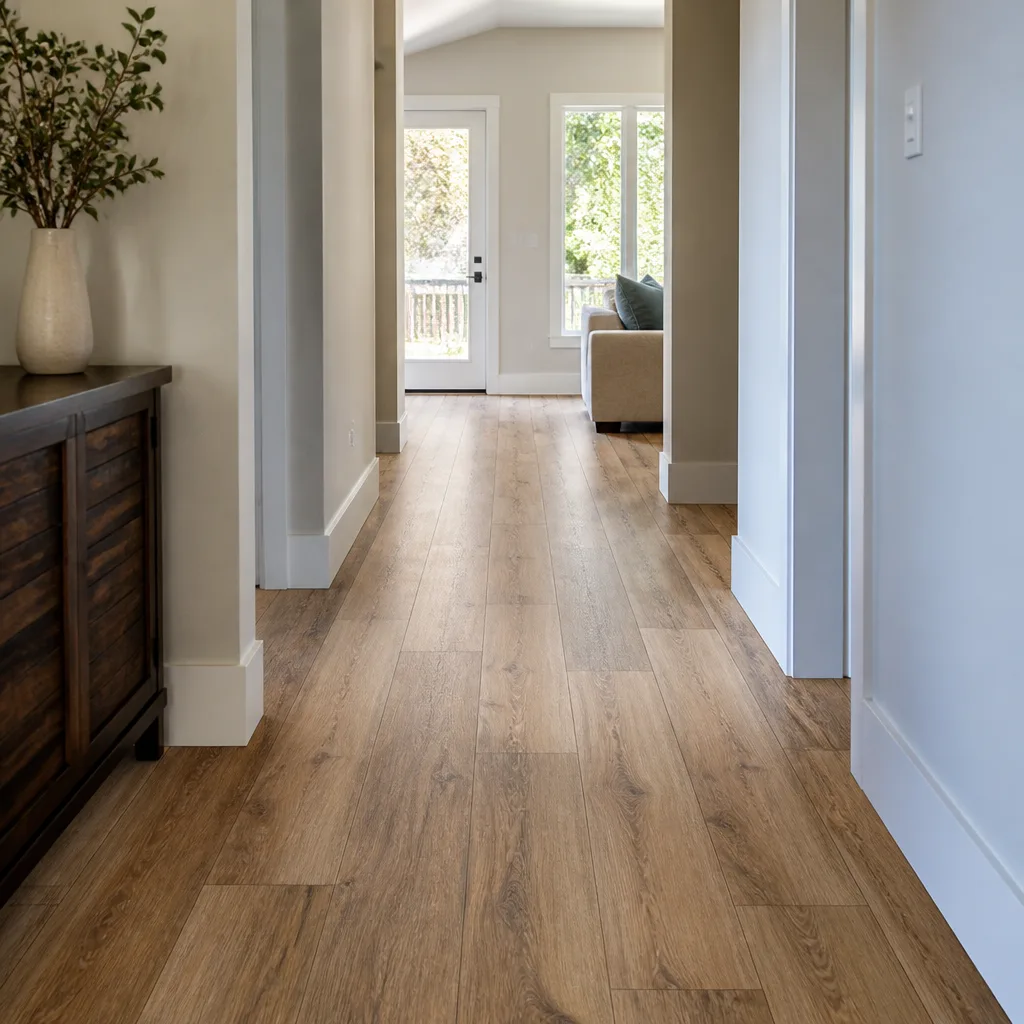 Shaw
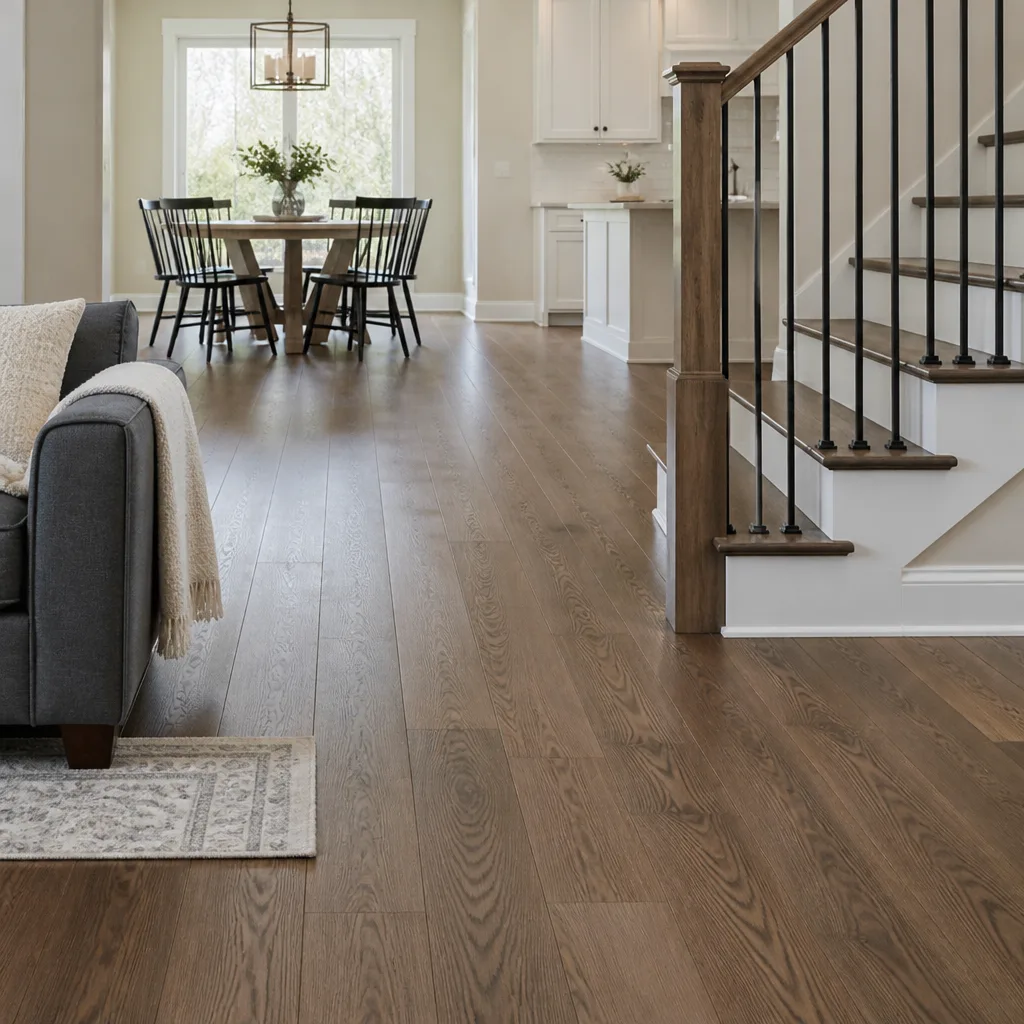 Mohawk
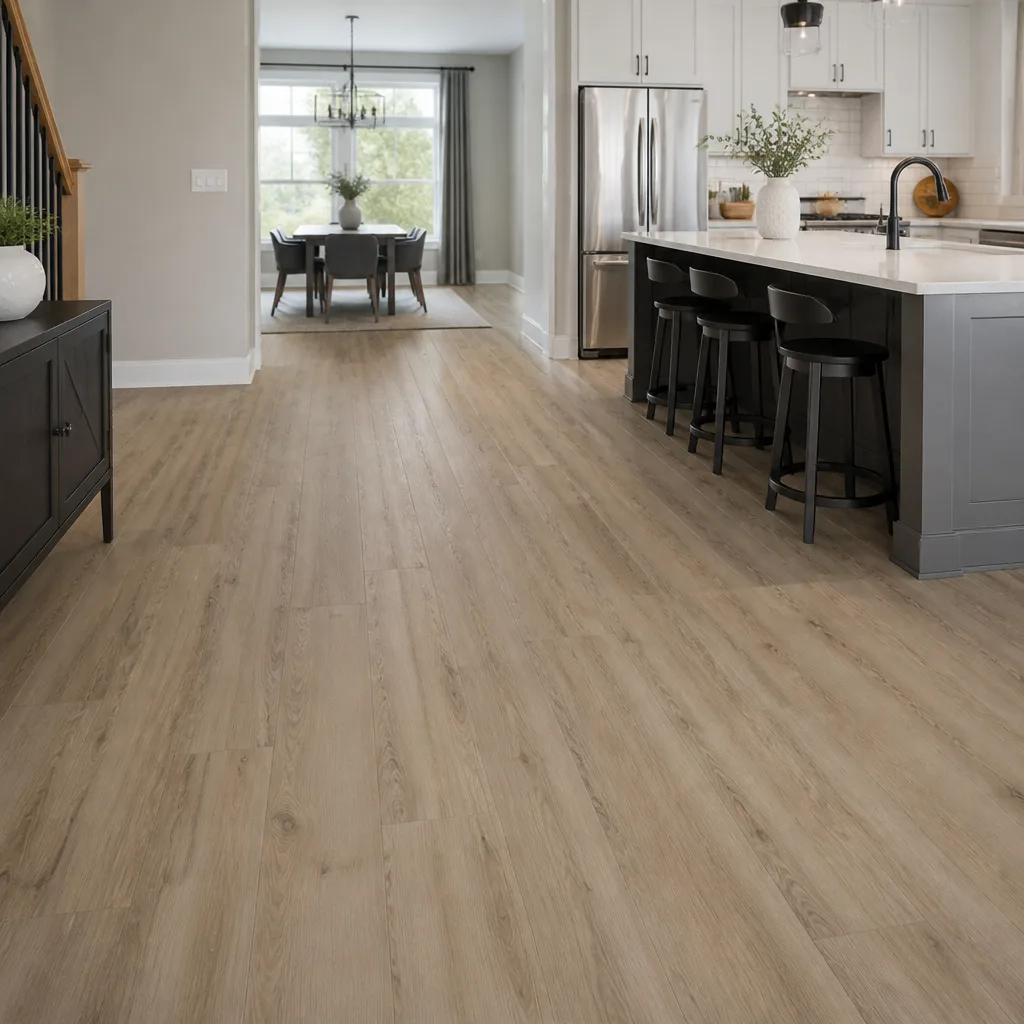 COREtec
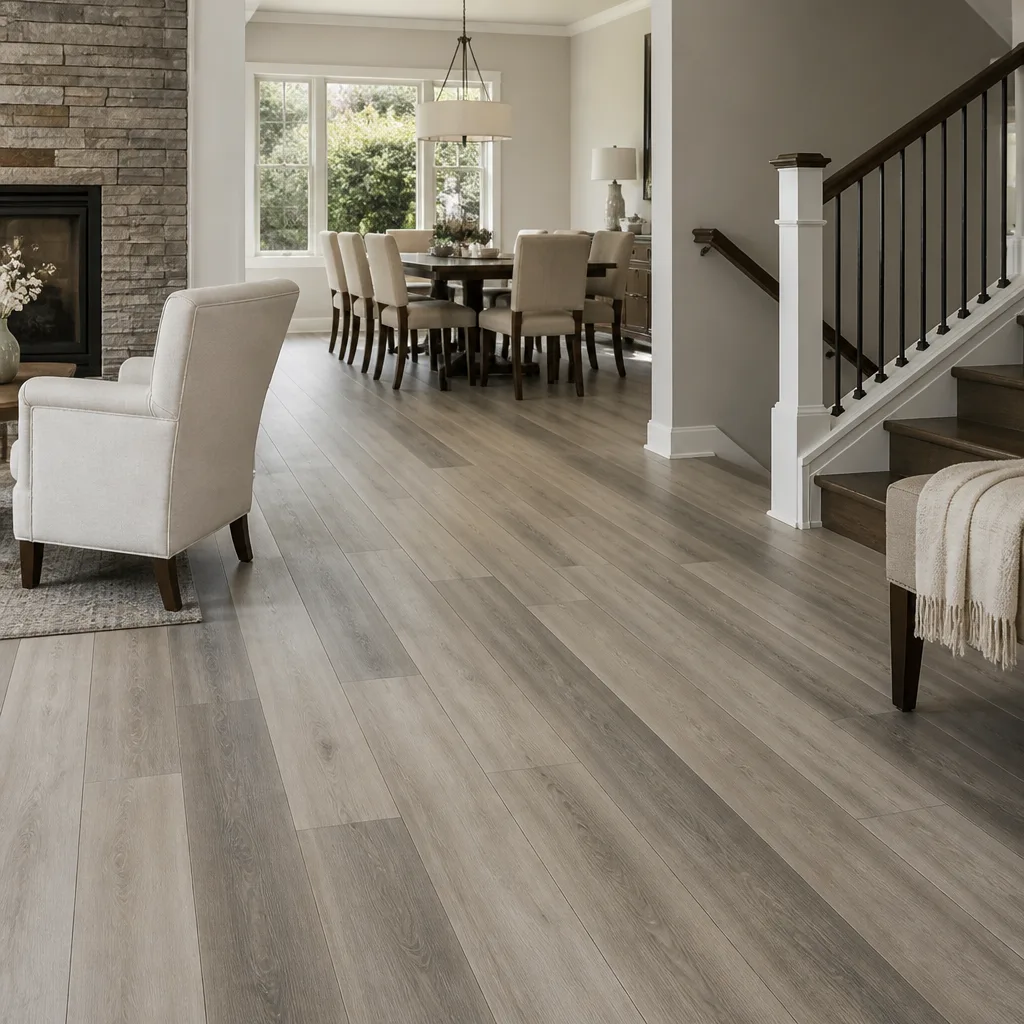 Pergo
Free in-home measure and written estimate: Shaw, Mohawk, COREtec and Pergo lines compared on your own rooms, with carpet, tile, vinyl plank, laminate and hardwood laid out side by side
Get your free estimateThe Complete Guide to Flooring in Boulder City
Most flooring advice you’ll read was written for a house somewhere else. Humid suburbs. A temperate climate with gentle seasons. A subdivision with no design rules. Boulder City isn’t that place, and the floor that performs beautifully in a coastal apartment can cup, gap, or peel inside one brutal summer here. The Mojave Desert strips moisture out of the air, bakes south-facing slab edges, and turns the ground beneath your rooms into a heat reservoir that keeps working long after the sun goes down. Add HOA finish rules in many communities and the shopping list narrows before you’ve looked at a single sample. This guide maps each major flooring category to the realities Boulder City homeowners actually face: slab construction, dry-climate movement, HOA restrictions, and the difference between flooring a home you live in and one you rent out.
Quick Answer
The best flooring for a Boulder City home depends on three local factors: a concrete slab-on-grade foundation, extremely low humidity that forces wider expansion gaps than humid-climate installation specs assume, and HOA finish restrictions that can rule out certain colors and materials before you shop. For most rooms, luxury vinyl plank from brands like COREtec or LifeProof handles slab moisture and desert heat swings well, while tile suits wet areas and hardwood works where you’re prepared to manage dry-air gaps. The right answer is per-room, not per-house.
Styles & brands we work with
- Hardwood
- Engineered hardwood
- Luxury vinyl plank
- Laminate
- Porcelain tile
- Carpet
- Shaw
- Mohawk
- COREtec
- Pergo
Table of Contents
- Why Boulder City’s Slab-On-Grade Construction Changes Everything
- How Desert Heat and Dry Air Affect Each Flooring Type
- HOA Rules and How They Narrow Your Choices
- Matching Flooring Categories to Real Rooms
- Primary Home vs. Vacation or Investment Property
- How to Sequence a Whole-Home Project Room by Room
- Refinish Before You Replace: The Hardwood Question
- How to Choose a Flooring Partner in Boulder City
Why Boulder City’s Slab-On-Grade Construction Changes Everything
Most homes in Boulder City sit directly on a concrete slab poured at grade, with no basement and no crawlspace between the living space and the ground. That single fact drives more flooring failures here than any other. A slab is not a neutral surface. It breathes moisture from below, it stores and releases heat slowly, and it isn’t perfectly flat. When a floor is installed over it without addressing those realities, the product takes the blame for a foundation problem.
What a slab actually means for your floor choice:
- Moisture from below is real even in a desert. Desert slabs can still transmit vapor. Vinyl plank and tile tolerate it far better than solid hardwood, but no floor should be laid over a slab without checking conditions first.
- Flatness matters more than most people expect. Slab floors pour with high and low spots. A rigid product like tile or thick LVP telegraphs those variations unless the surface is prepared.
- Direct contact changes temperature behavior. A slab in full summer sun stays warm well into the evening, which affects how a floor expands, contracts, and feels underfoot.
- No subfloor means no forgiveness. With wood-framed floors, a joist system can absorb minor movement. A slab gives a floor nowhere to go, so the material has to be dimensionally suited to it.
This is why a knowledgeable installer asks about your slab before recommending a product. The material has to match the foundation, not the other way around. When we walk through a Boulder City home, the slab condition shapes everything that follows.
How Desert Heat and Dry Air Affect Each Flooring Type
Boulder City averages under four inches of rainfall a year. Summer slab temperatures can push past 90°F. That combination of almost no atmospheric moisture and intense radiant heat is the opposite of the environment most flooring installation specs were written around, which is why humid-climate rules of thumb can fail here.
The core issue is dimensional movement. Wood and laminate expand when they absorb moisture and shrink as the air dries. In a humid climate, gaps close up on their own. In the desert, air stays dry for months, so boards shrink and stay shrunk. A floor installed with humid-climate gap allowances can open visible seams at every plank end by the end of the first dry season. The rooms that suffer most are the ones with the least climate control and the most sun: west-facing living rooms, sunrooms, and any space that’s closed up for part of the year.
How the main categories respond:
- Solid hardwood is the most sensitive to dry-air shrinkage. It’s beautiful and refinishable, but it needs generous perimeter gaps and stable indoor humidity to avoid gapping.
- Engineered hardwood moves less than solid because its cross-ply core resists expansion, making it a friendlier choice over a desert slab.
- Laminate holds up well to dryness but is vulnerable to any standing water, so it belongs in dry rooms, not bathrooms or laundry areas.
- Luxury vinyl plank from brands like LifeProof and COREtec handles heat and dry air with the fewest complaints and is our most-recommended category for slab-on-grade desert homes.
- Tile barely notices humidity at all. It’s dimensionally stable in any season, which is why it shines in kitchens, baths, and entryways.
- Carpet is comfortable but holds dust and heat, and it’s best kept to bedrooms where the sun doesn’t hammer it all day.
The practical takeaway: in Boulder City, buy for the dry season, not the mild week you happened to tour a sample.
HOA Rules and How They Narrow Your Choices
Many Boulder City neighborhoods sit under HOA governance, and those rules can reach inside your front door in ways homeowners don’t expect. Exterior-visible flooring decisions are the obvious ones, but rules also touch anything that changes how a unit reads from outside, or the sound transmission through shared walls. Before you fall in love with a finish, confirm what your community actually allows.
Where HOA restrictions commonly bite:
- Color palettes. Some communities set finish guidelines that steer you toward neutral tones and away from high-contrast or heavily patterned designs.
- Sound ratings. In attached or multi-story homes, hard surfaces can be restricted in upper floors or require an acoustic underlayment.
- Exterior-visible surfaces. Covered porches, patios, and entries may fall under community rules rather than just your own taste.
- Design review. Some HOAs want approval before the work begins, not after.
Here’s the frustrating part: your HOA packet is usually general, so you can rarely read off a specific product and know it’s approved. The safe path is to get the community’s written guidelines in hand before you shop, then shop within them. That’s also where a designer-grade tile like Karndean’s art tile or a Daltile porcelain can earn its keep, delivering a distinctive look that still reads neutral enough to clear review. Knowing the rules first saves you from ordering a floor you can’t legally install.
Matching Flooring Categories to Real Rooms
The right floor for how the room actually lives. That’s the whole principle. A bathroom has different demands than a bedroom, and a sun-baked living room has different demands than a shaded hallway. Matching category to room is where a project either holds up or creates callbacks.
A simple way to assign the categories:
- Kitchens and entryways: porcelain or ceramic tile. Daltile’s line covers both, and tile shrugs off dropped pots, spills, and the constant foot traffic these rooms take.
- Bathrooms and laundry rooms: tile again, or a water-resistant LVP. Never laminate, and never assume any vinyl is truly waterproof, since standing water and moisture from below still have to be handled.
- Living and family rooms: luxury vinyl plank is the workhorse here. COREtec and LifeProof are among the most water-resistant and scratch-resistant residential options available, and they handle a sun-baked slab without cupping.
- Bedrooms: carpet brings warmth and quiet, which matters in rooms where comfort beats traffic resistance.
- Dining and formal spaces: engineered hardwood or a design-forward vinyl plank if the room sees real use.
- Hallways and stairs: whatever category you choose needs to handle the highest traffic in the house with the fewest seams.
We carry nine brands across carpet, tile, vinyl, and hardwood: Shaw, Mohawk, COREtec, Pergo, LifeProof, Mannington, Armstrong, Daltile, and Karndean. That range exists so you can match each room, not force one product across the whole home. Pergo and Mohawk fill the practical middle of the market, while COREtec and LifeProof top the vinyl options.
Primary Home vs. Vacation or Investment Property
A floor for a home you live in every day and a floor for a property you rent or visit seasonally are different buying decisions. Full-time residents care about comfort, appearance, and how the floor feels years from now. Rental and vacation owners care about durability, low maintenance between guests, and how the floor survives months of a closed-up, furnace-hot house.
What changes for an investment or vacation property in Boulder City:
- Closed-up heat. A property that sits empty through summer reaches interior temperatures that punish delicate flooring. Stable, heat-tolerant LVP and tile pull through; solid hardwood in an unconditioned space usually doesn’t.
- Turnover traffic. Guest and tenant cycles mean scrubbing, dragging furniture, and dropped items. Scratch-resistant vinyl and tile wear better than carpet or soft wood.
- Fast cleaning. Hard surfaces clean in minutes; carpet needs deep cleaning between guests. For a rental, that difference adds up.
- Repair instead of replace. Vinyl plank that installs in planks is easier to patch a damaged section than a fully glued-down floor.
For a primary residence, we lean toward the surface the family will actually enjoy living on, even if it’s slightly less bulletproof. For an investment property, we lean toward whatever keeps the place rentable and low-stress. There is no single right answer here, only the answer that fits the way the property is used. You can learn more about how we approach the whole Boulder City market and what local homes actually need.
How to Sequence a Whole-Home Project Room by Room
A whole-home flooring project doesn’t have to mean months of living in a construction zone. The chaos comes from poor sequencing, not from the scale of the job. Done right, you can keep the house livable and finish room by room.
Here’s a sequence that works for most Boulder City homes:
- Start with the estimate and the plan. Get a free in-home measure and a written price per room first. This sets the schedule and lets you budget the project across multiple install days.
- Do the rooms you can live without first. Bedrooms and formal spaces come early, since you can close a door and keep going.
- Protect the liveable core. Kick off the kitchen, living room, or main bath after the low-impact rooms are done, keeping furniture in the untouched rooms.
- Move one zone at a time. Furniture shifts room to room rather than all at once, so you never empty the whole house.
- Save the busiest rooms for a booked install day. The install is a scheduled job, so the schedule is set at the estimate, not squeezed in between other work.
- Refinish hardwood separately. Refinishing has its own schedule and curing considerations, so it’s cleanest to treat it as its own phase.
The mistake is trying to do everything in one weekend. Sequencing in phases keeps the home usable and the work manageable. When you plan the Flooring Boulder City project room by room, you also spread the cost and avoid living on one bare slab for weeks.
Refinish Before You Replace: The Hardwood Question
If you already have hardwood, the smartest move is often to refinish it, not tear it out. A worn, grayed, scratched floor can come back to life with sanding and a fresh finish, and that preserves a surface that’s already settled and aged into your home. Refinishing is a cost-effective alternative to full replacement when the wood is sound.
What refinishing involves and what it can’t do:
- It extends the life of existing floors. Sanding removes the worn top layer and a new finish restores the surface.
- Not every floor qualifies. Whether a floor can be refinished depends on the thickness of the wood and its condition, checked at the estimate visit, not over the phone.
- Stain matching isn’t guaranteed. Whether a specific stain will match a sample depends on the particular wood and its history, so treat a close match as the goal, not a certainty.
- It’s a scheduled job. Refinishing has its own timing, and the written estimate sets the final price.
We offer hardwood refinishing alongside new carpet and tile flooring installation, so you’re working with one contractor across the full surface lifecycle. If your existing floor is worth saving, we’ll tell you honestly, and if it isn’t, we’ll say that too.
How to Choose a Flooring Partner in Boulder City
The floor is only as good as the installation. You can buy the best COREtec plank on the market and still get a floor that gaps, lifts, or rocks underfoot if it’s installed over a slab nobody checked. That’s why the person installing it matters as much as the product.
What to confirm before you hire:
- Single-trade depth. Carpet, tile, and hardwood under one contractor means one point of accountability, not a general remodeler who subcontracts the floor work.
- Slab awareness. Ask how they handle moisture and flatness on a slab-on-grade home. A vague answer is a red flag.
- Brand access. A partner who carries a real range, like Shaw, Mohawk, Mannington, Armstrong, and Karndean alongside the vinyl brands, can match product to room instead of forcing one choice.
- A written estimate. The price should be in writing, per job, before anything is ordered.
- Experience on the crew. Our technicians have up to 11 years of experience installing and finishing floors across the surfaces we carry.
Installed right the first time is cheaper than fixed twice. When you’re ready to compare options in person, ask for a free carpet installation estimate and a hard-surface quote side by side, and see how a specialist lays it out.
Common Mistakes to Avoid
- Buying for humid-climate specs. Standard expansion-gap allowances assume moisture that Boulder City air simply doesn’t have, so dry-air gapping surprises people by the first summer’s end.
- Ignoring the slab. Skipping moisture and flatness checks over a concrete slab is the single most common cause of a floor that fails ahead of its time.
- Calling any vinyl waterproof. Water-resistant is not waterproof; standing water and moisture from below still have to be managed, and laminate shouldn’t go near a bathroom.
- Shopping before reading HOA rules. Falling for a finish your community doesn’t allow wastes a trip and, worse, money on ordered material.
- Using one product for the whole house. Forcing hardwood into a wet area or carpet into a traffic lane invites callbacks you could have designed out.
- Trying to install everything at once. Skipping room-by-room sequencing turns a manageable project into months of disruption.
- Replacing hardwood that could be refinished. Worn wood is often savable depending on its thickness and condition, so get it checked before you tear it out.
See the difference
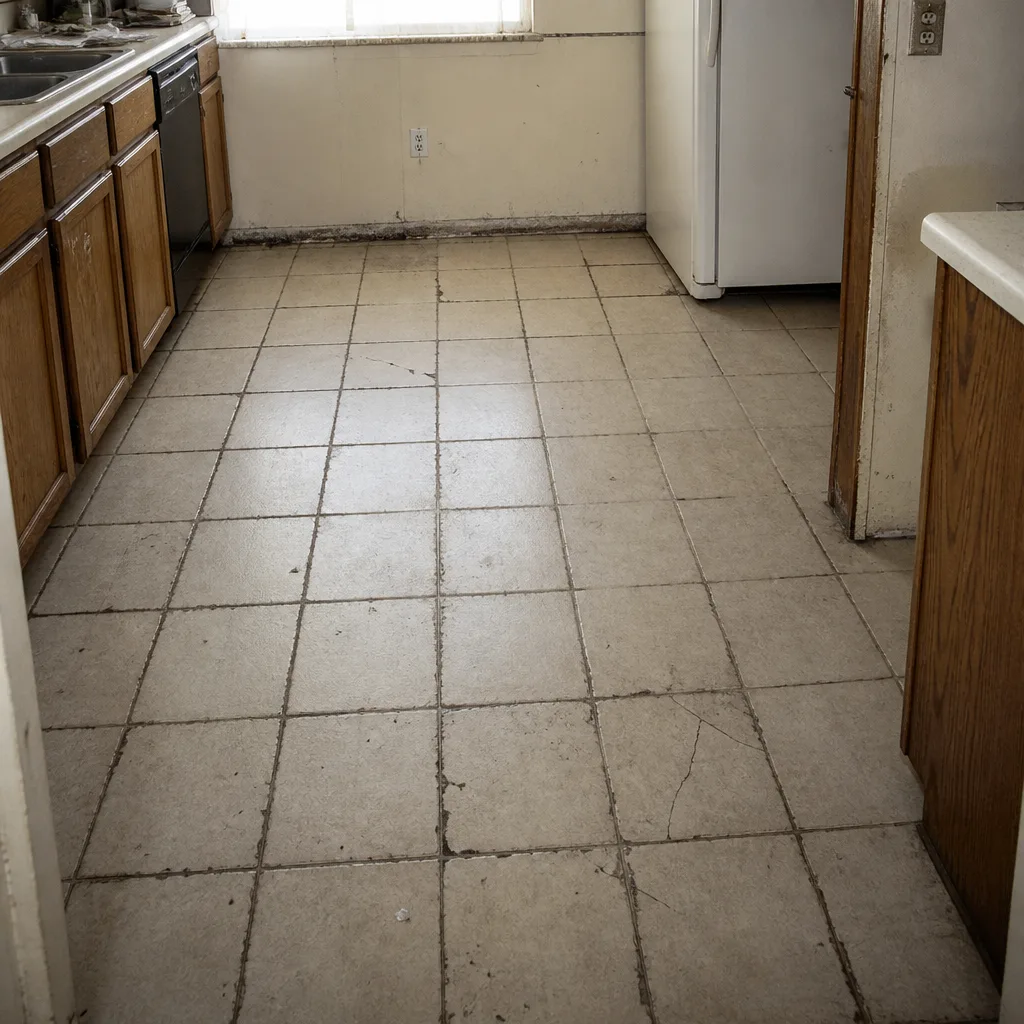 Before
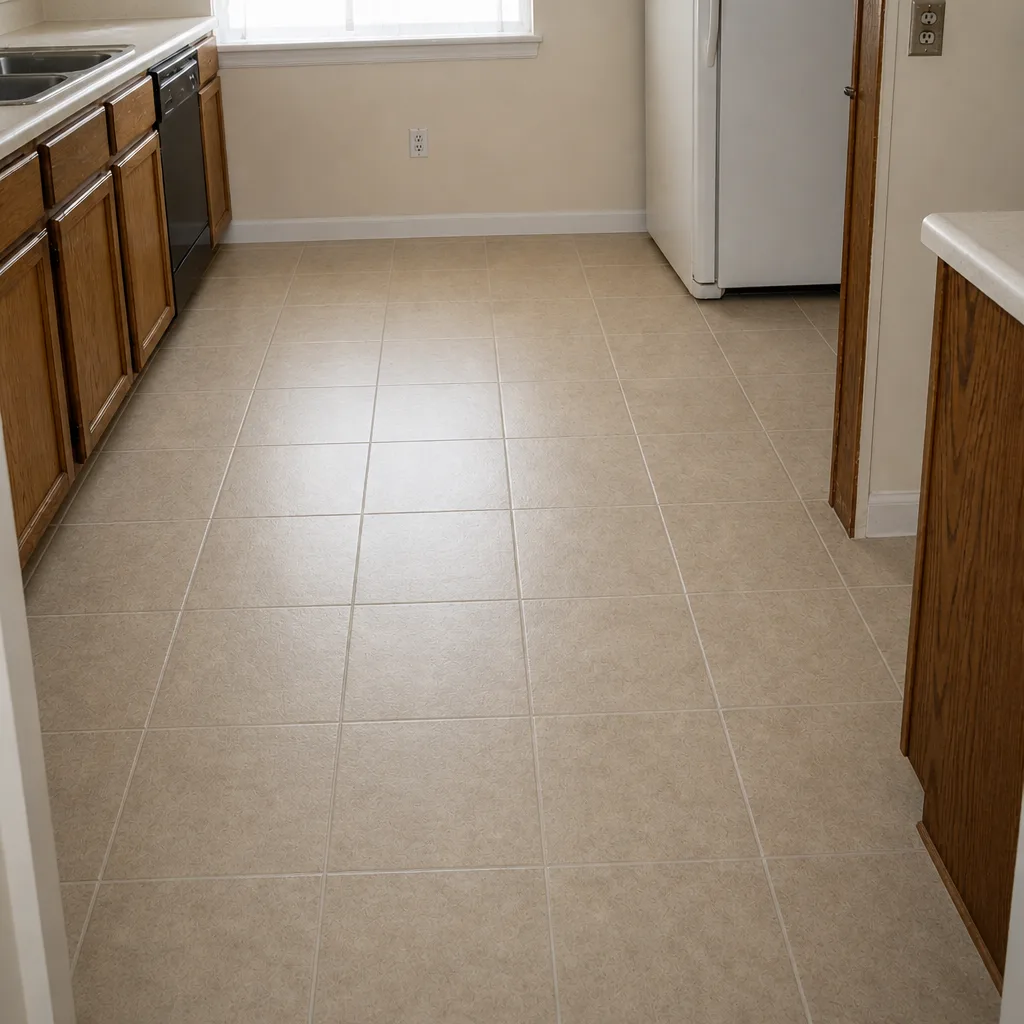 After
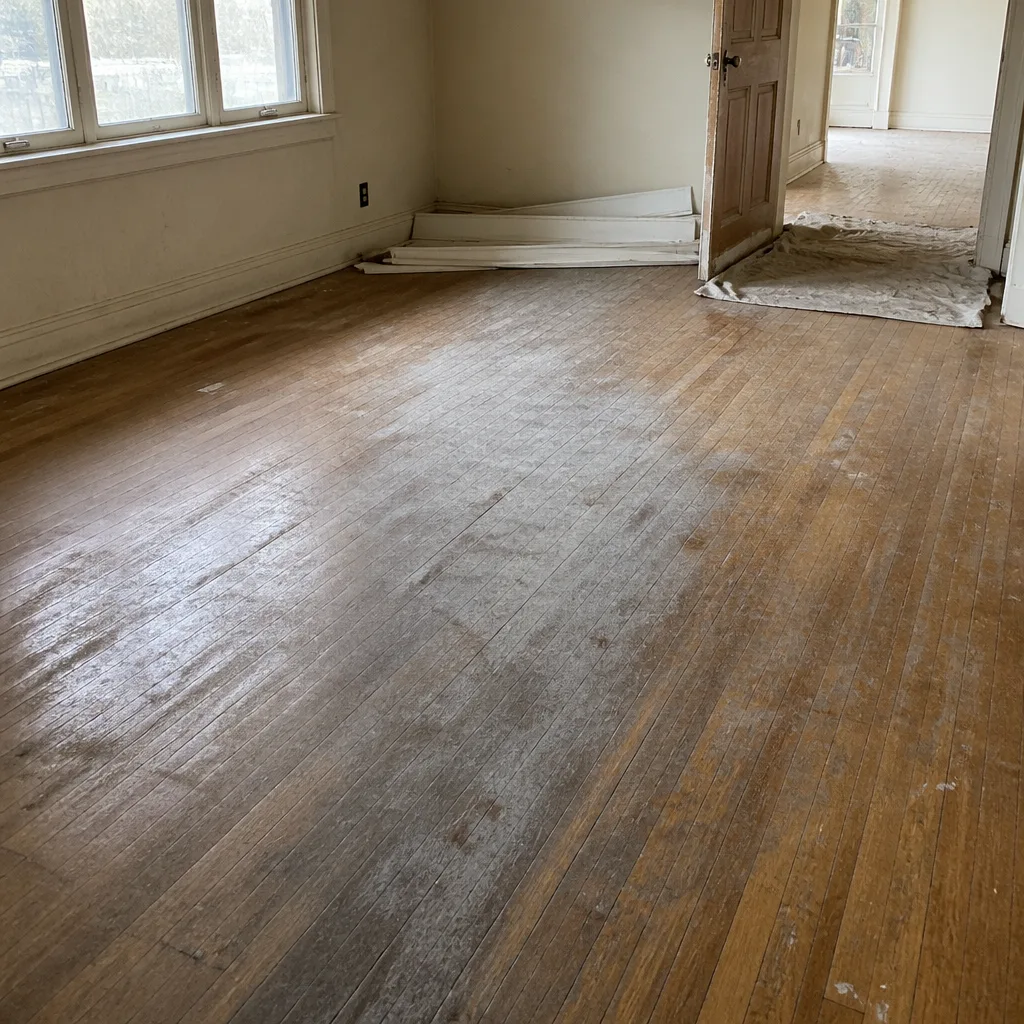 Before
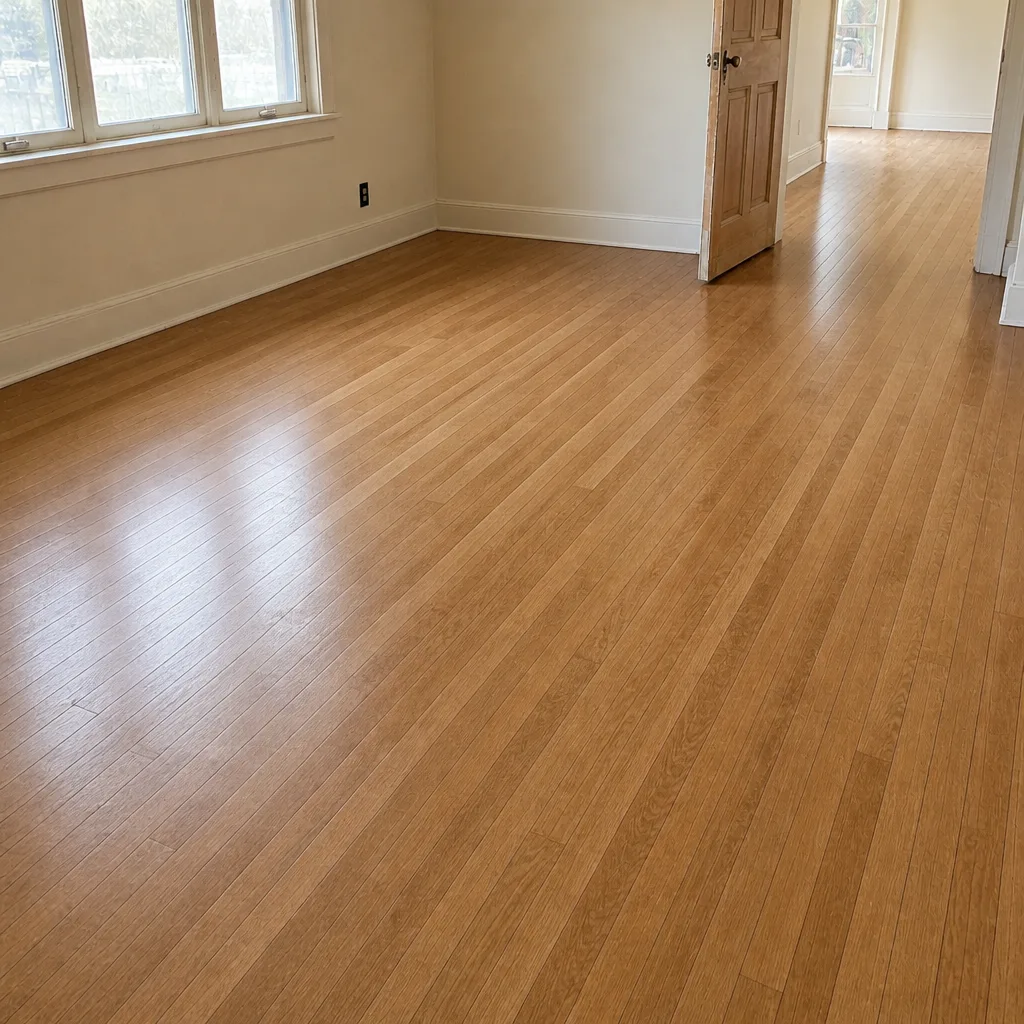 After
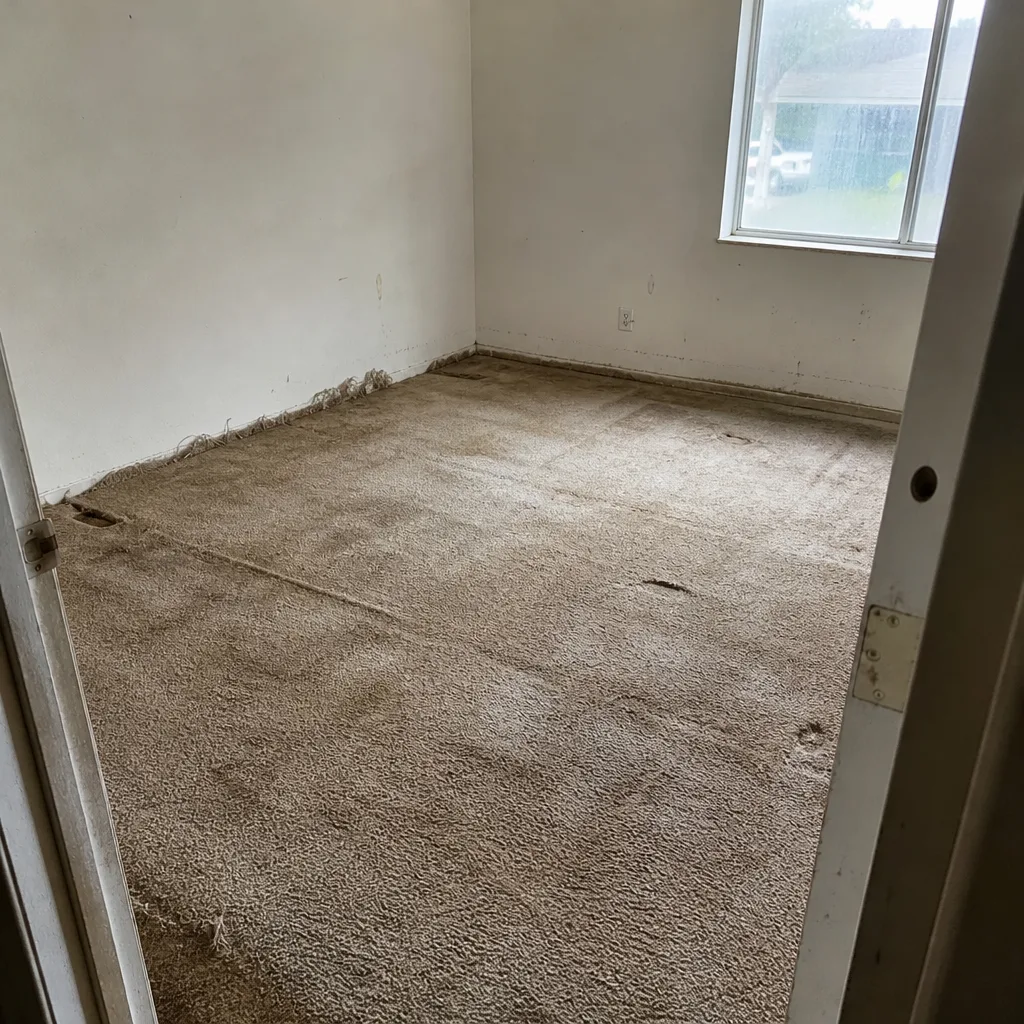 Before
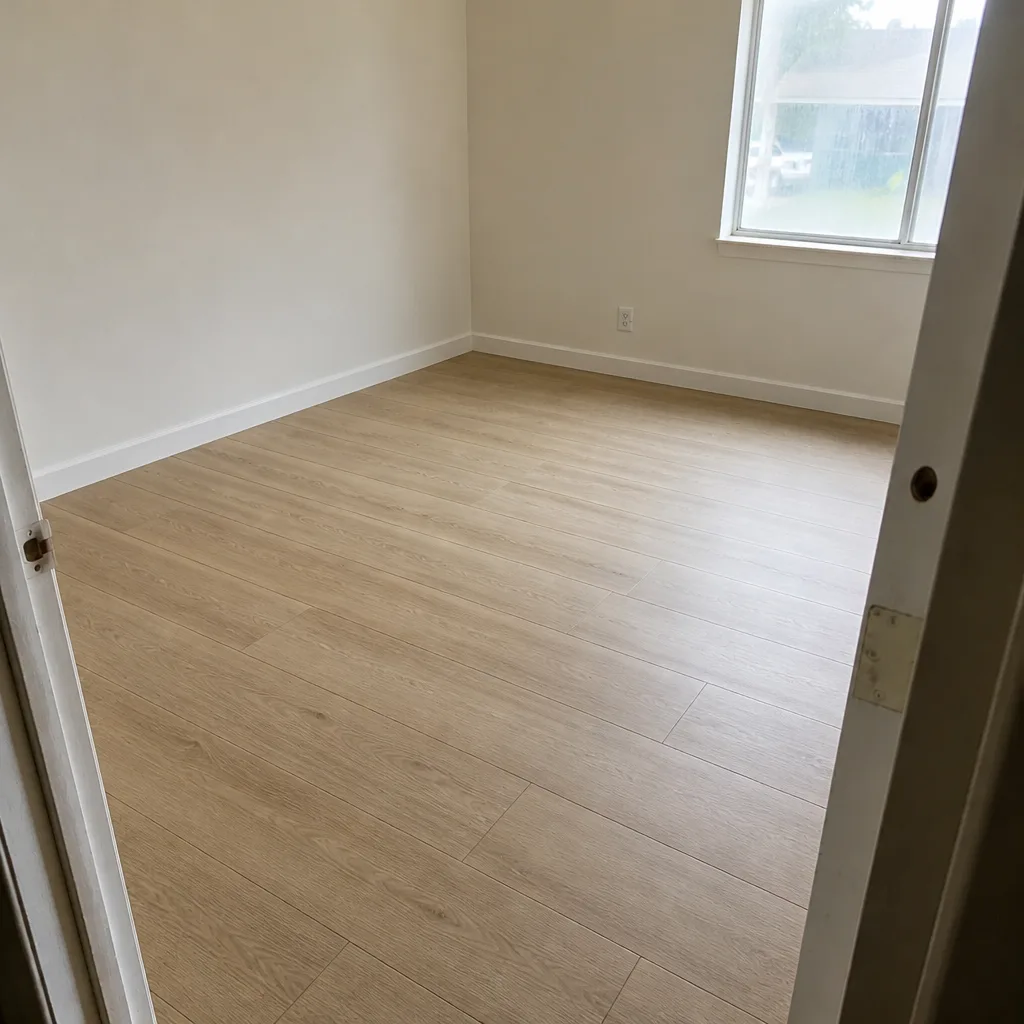 After
When to Call a Professional
Some jobs are genuinely DIY-friendly, and others aren’t. Call a professional when the floor sits over a concrete slab you can’t verify, when a room shows cupping, gapping, or lifting that points to a moisture or prep problem beneath the surface, when you’re weighing refinishing against replacement and can’t tell whether the wood has the thickness left, or when an HOA review hangs over the material choice. Whole-home sequencing is another reason: coordinating carpet, tile, and hardwood across multiple rooms is far easier with one contractor accountable for the whole surface lifecycle. Flooring Boulder City offers free estimates in Boulder City – call (833) 842-8455. We answer 24/7. Fast dispatch from 7am to 7pm, Sunday through Friday.
Frequently Asked Questions
Luxury vinyl plank and tile work best in most Boulder City rooms, because they tolerate dry air, intense heat, and slab contact with the fewest problems. Brands like COREtec and LifeProof handle heat and low humidity well, while tile is dimensionally stable in any season. Hardwood and laminate can work, but they need generous expansion gaps and more care in dry air.
Because most Boulder City homes are slab-on-grade, there’s no subfloor to absorb movement or buffer moisture, so the floor material has to suit direct slab contact, flatness variation, and heat storage. Vinyl and tile tolerate those conditions better than solid hardwood. Any reputable installer should check the slab before recommending a product, and we build that check into the estimate.
Often, yes. Many Boulder City communities set finish and color guidelines and sometimes sound requirements for upper floors, which can rule out certain materials or require approval before work starts. Read your HOA packet before you shop so the finish you fall for is one you can legally install. We can help match an approved look to a product that fits your rooms.
Refinish first if the wood is thick enough and in sound condition, since it preserves an existing floor and is usually the value-first choice. Whether yours qualifies depends on the thickness of the wood and its condition, checked at the estimate visit. Not every floor can be refinished, and a stain match isn’t guaranteed, so an in-person look settles it. Call (833) 842-8455 for a free estimate.
Put tile in kitchens, baths, and entries, carpet in bedrooms, and water-resistant luxury vinyl plank in living areas, hallways, and sun-baked rooms. Hardwood suits formal spaces where you’re prepared to manage dry-air movement. Matching the category to how each room actually lives prevents callbacks better than any single whole-house product.
Yes, the estimate is free, and it’s the right first step for any Boulder City flooring project. Pricing is per job, set by a written estimate after an in-home measure, not a phone guess, so the number you get reflects your rooms and materials. Call (833) 842-8455 to schedule your free estimate – estimates are free.
The Bottom Line
Flooring in Boulder City is a local decision, not a generic one. The slab under your rooms, the dry desert air, and your HOA’s rules all narrow the field before you ever pick a color. Match the category to each room’s real demands: tile where water lives, water-resistant LVP in the sun-baked spaces, carpet in the quiet rooms, and refinishing before replacement when the wood still has life. Choose a partner who checks the slab, carries a genuine range of brands, and installs it right the first time. Then plan the home room by room so the project fits your life instead of taking it over. Call (833) 842-8455 for a free estimate.
Written by the team at Flooring Boulder City.