
Last updated November 18, 2026
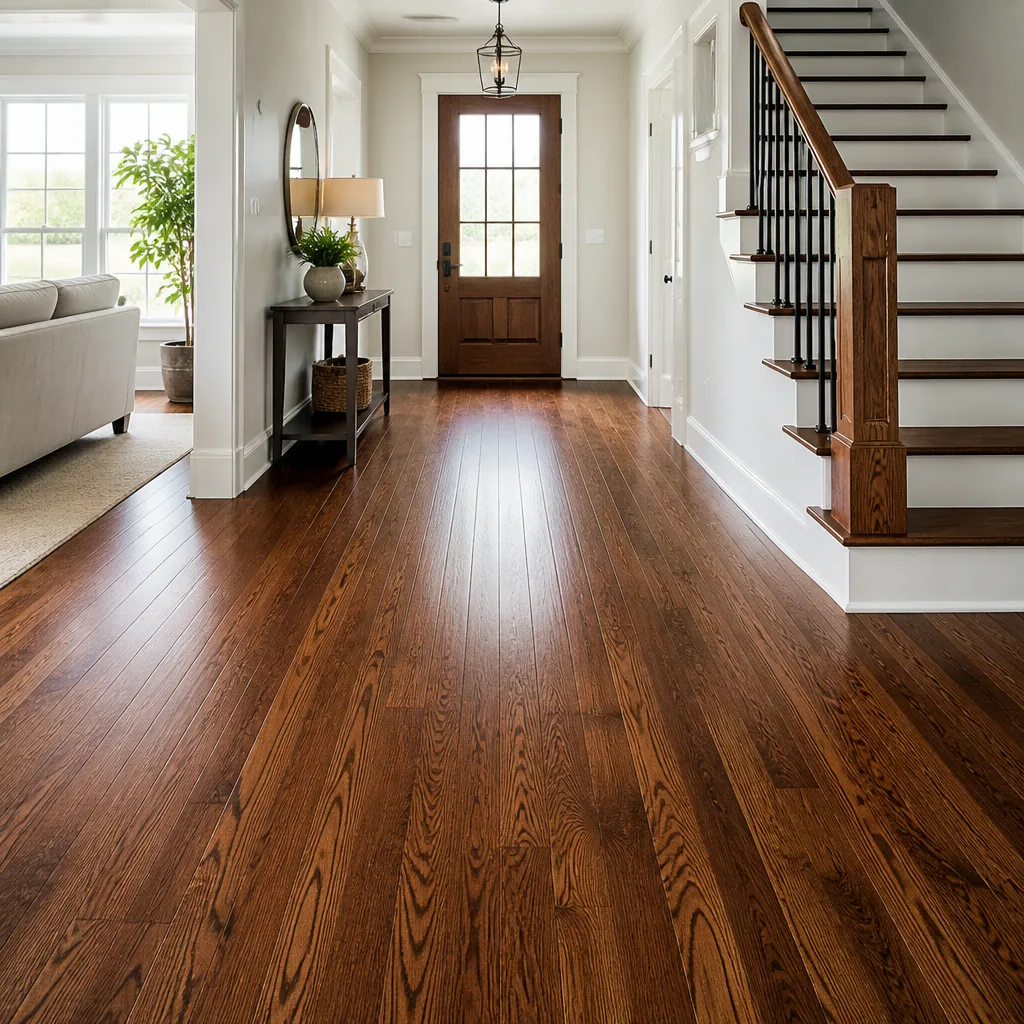 Hardwood
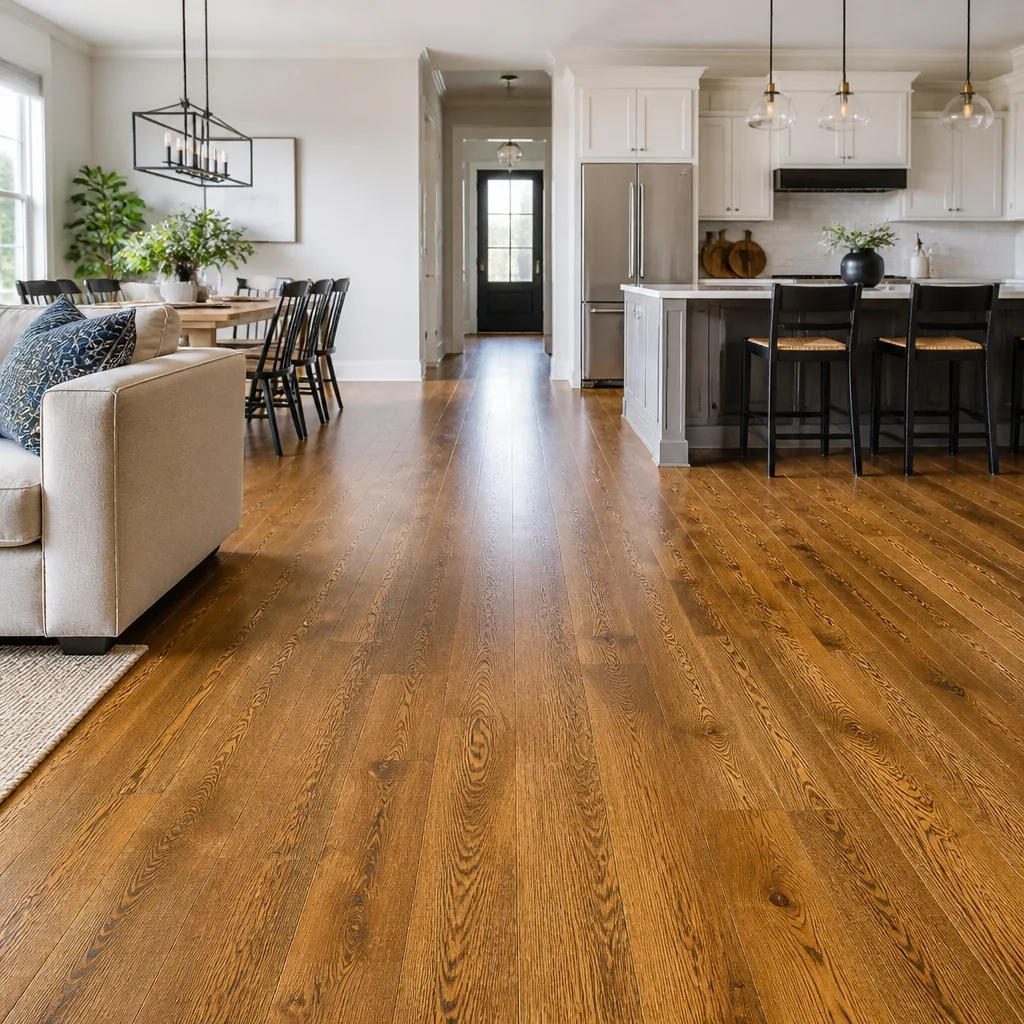 Engineered hardwood
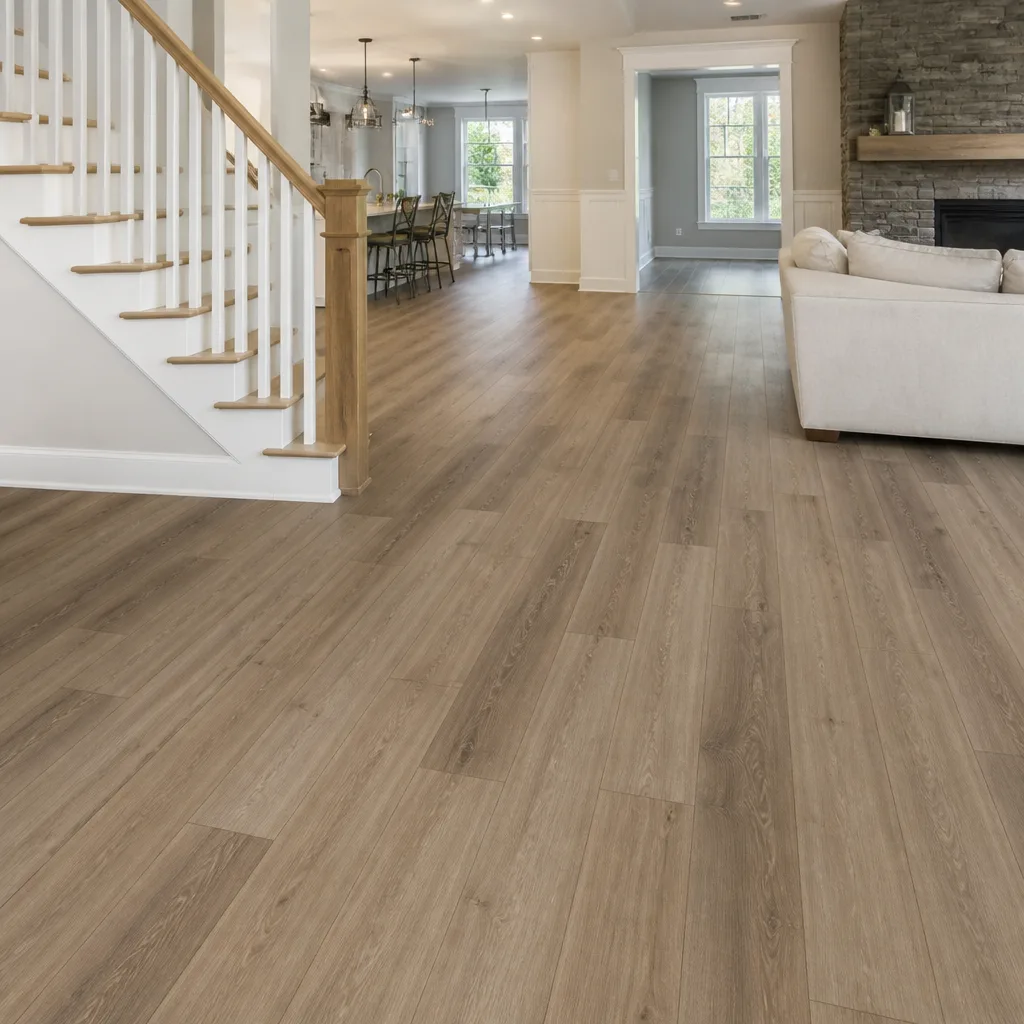 Luxury vinyl plank
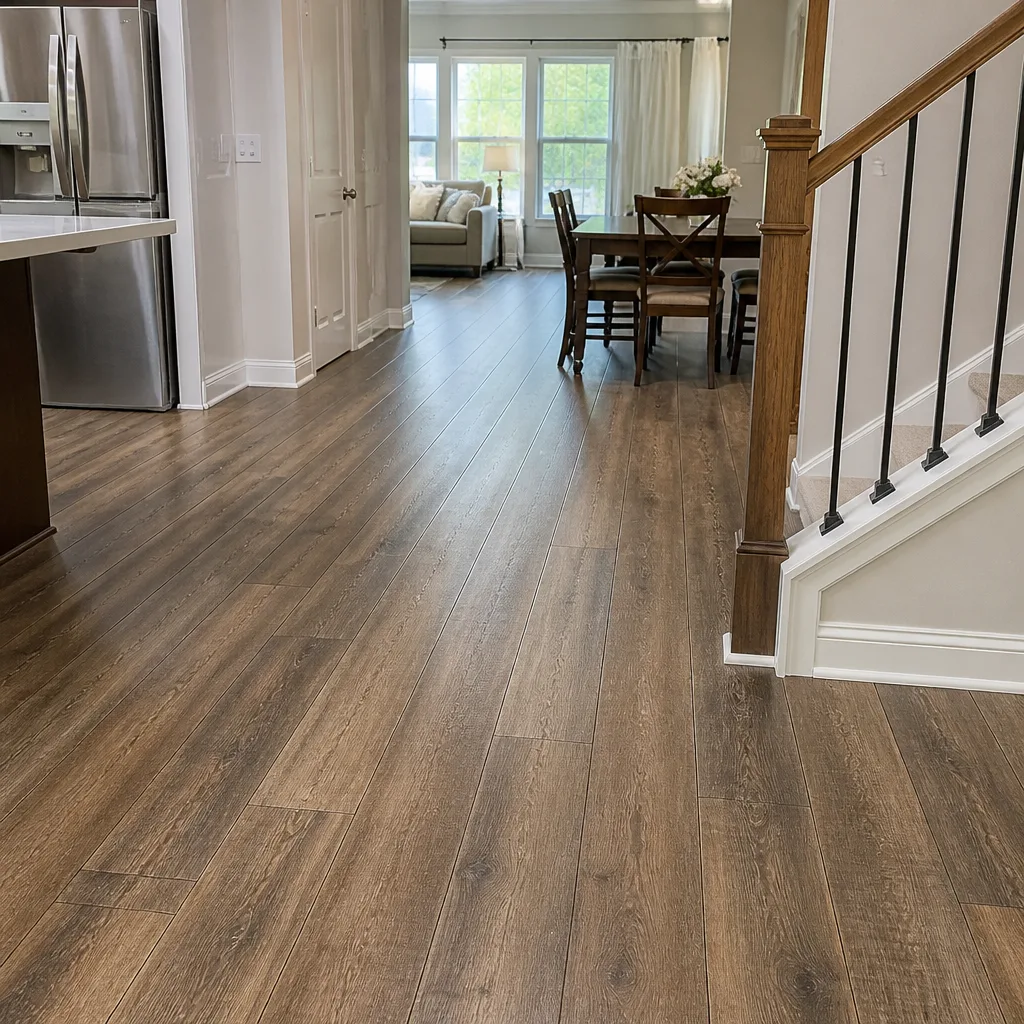 Laminate
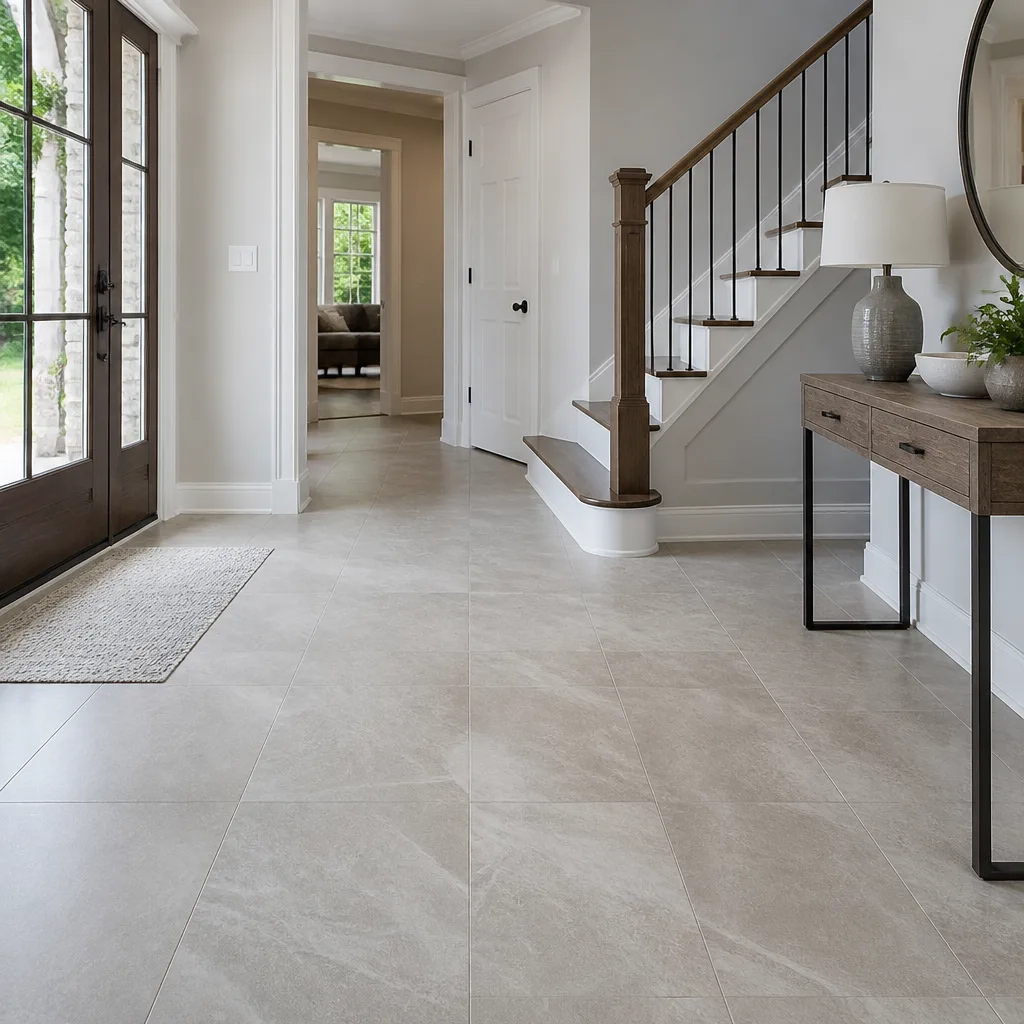 Porcelain tile
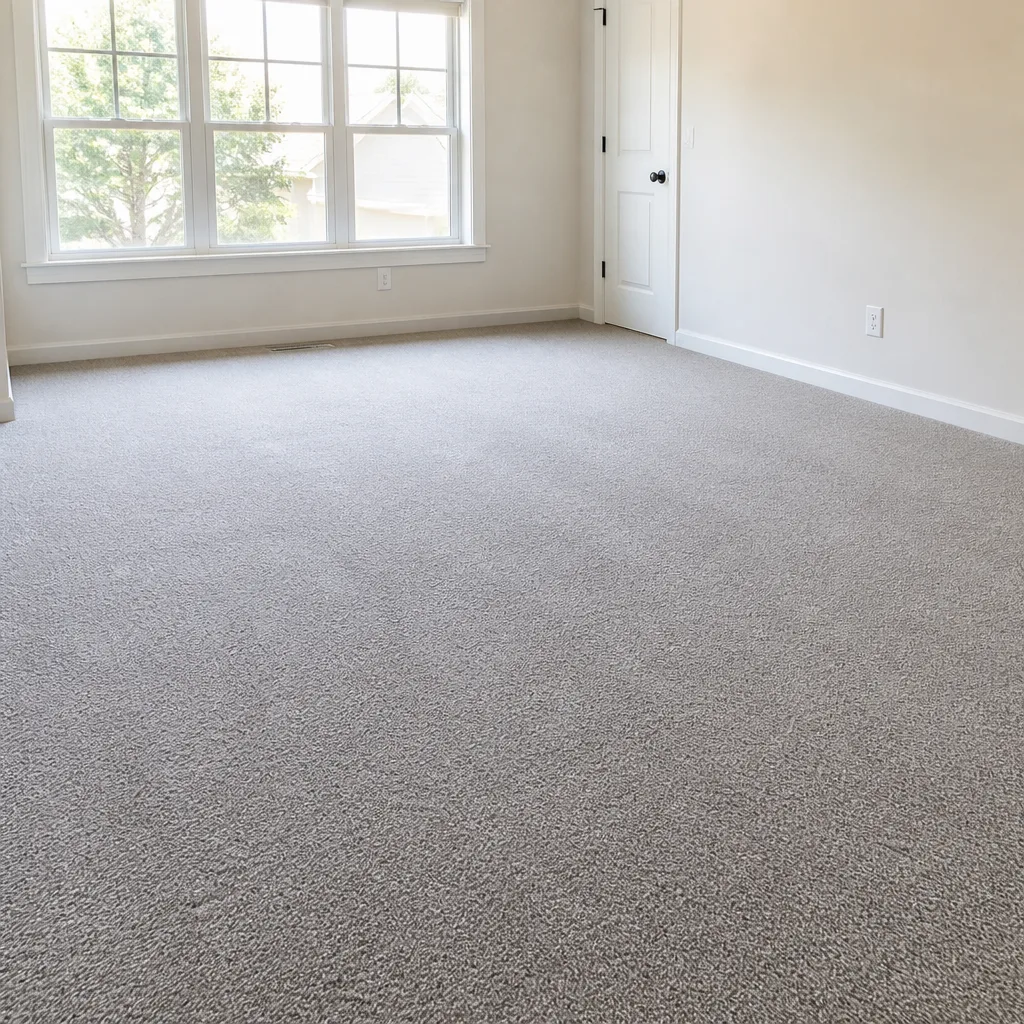 Carpet
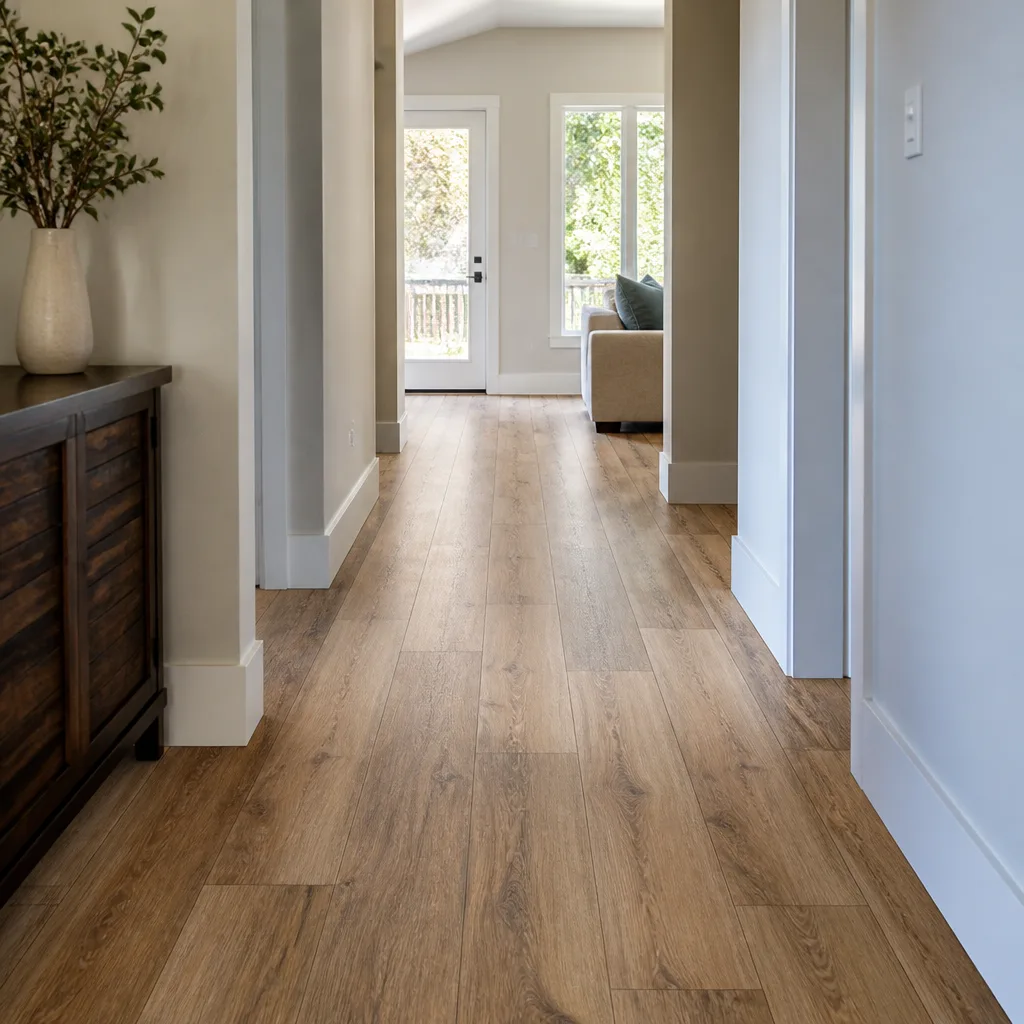 Shaw
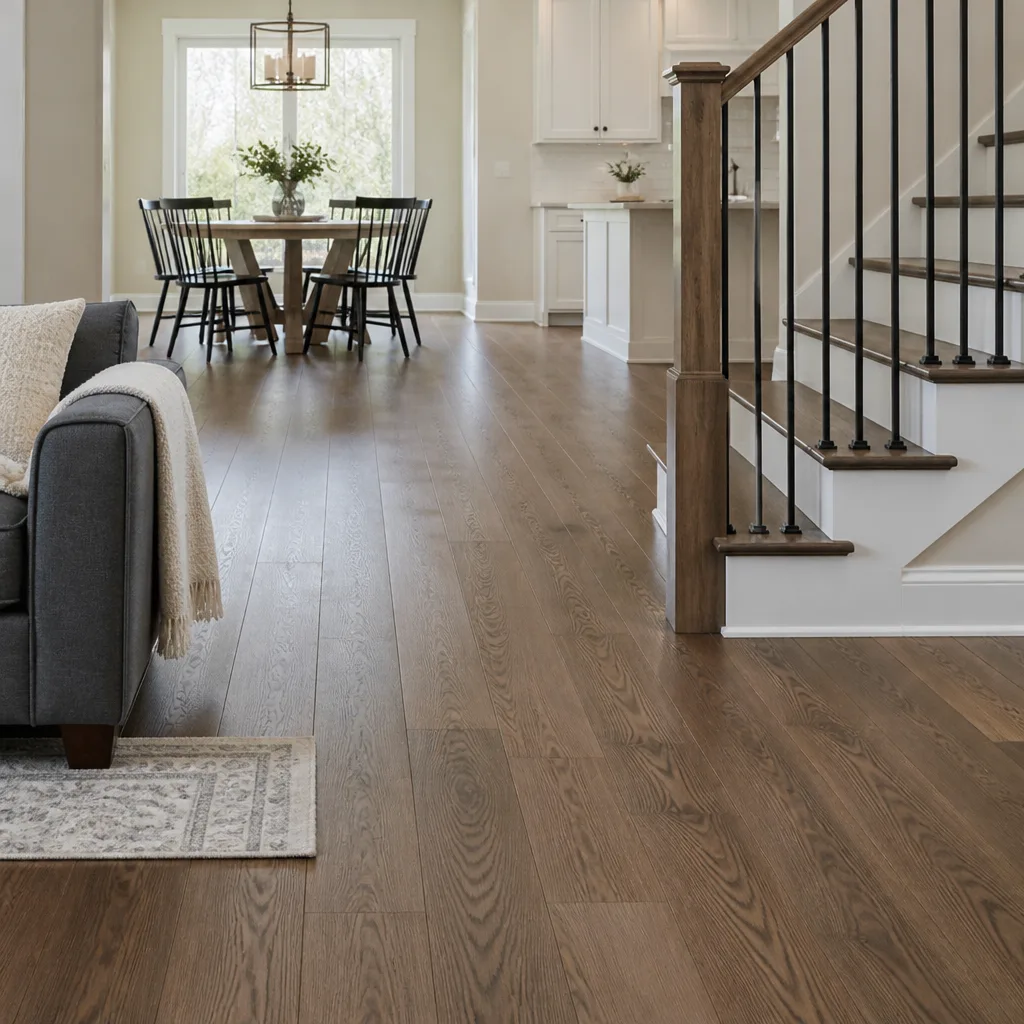 Mohawk
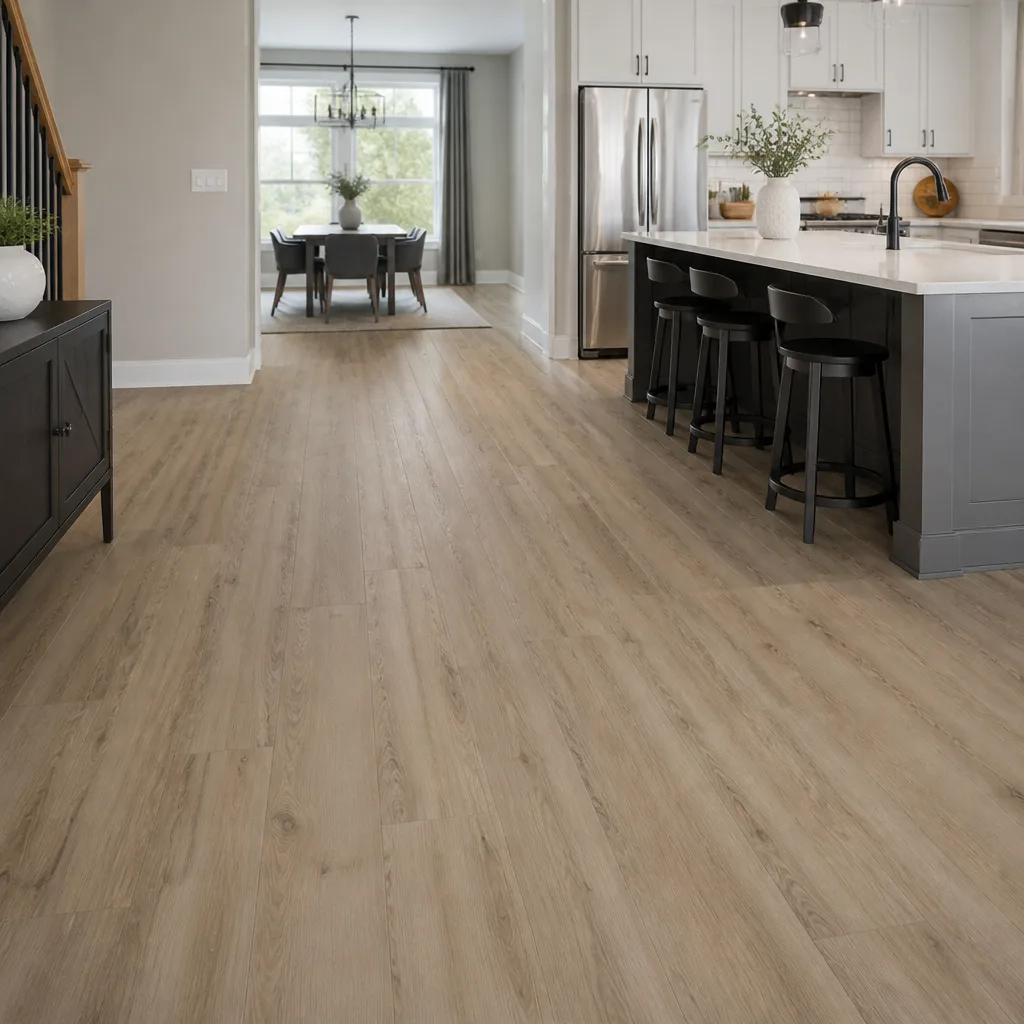 COREtec
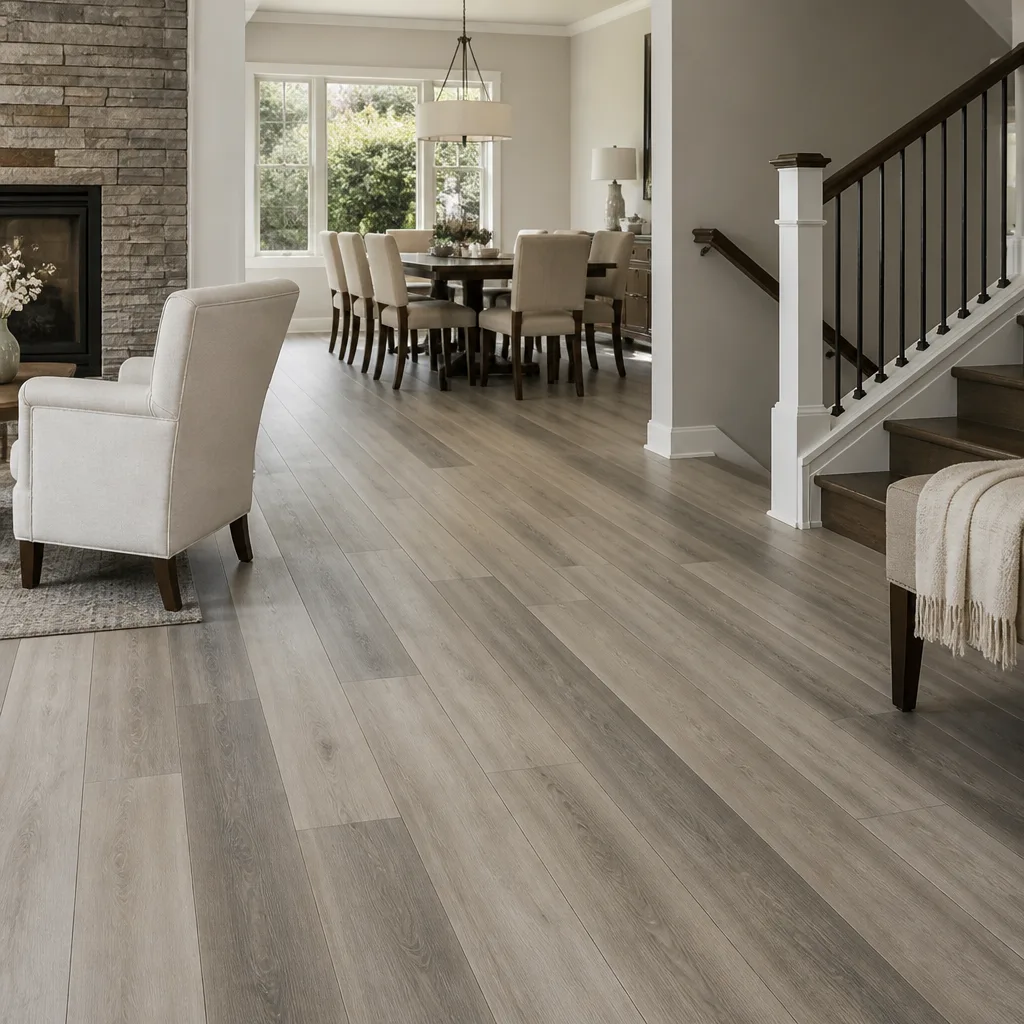 Pergo
Free in-home measure and written estimate: Shaw, Mohawk, COREtec and Pergo lines compared on your own rooms, with carpet, tile, vinyl plank, laminate and hardwood laid out side by side
Get your free estimateChoosing the Right Flooring for Every Room in Boulder City Homes
Picking one floor and running it through the whole house sounds efficient. In Boulder City, it usually backfires. A west-facing living room and a laundry room take completely different abuse, and a product rated for “standard residential” use can struggle in a room that bakes in direct afternoon sun. We’ve walked homes here where the same plank that looked perfect in a hallway cupped and gapped along a sun-hit wall within a season. The material wasn’t bad. It was wrong for that room. This guide goes room by room through a Boulder City home and explains what actually drives the choice: moisture, traffic, slab temperature, dust, and how much sun a wall takes. You’ll get specific product direction and honest trade-offs, not a sales pitch.
Quick Answer
The best flooring for each room in a Boulder City home depends on moisture, sun exposure and traffic more than on style. Kitchens and laundry rooms do best with large-format tile and tight grout joints; living and dining areas need products rated for high surface heat if they face west or south; bedrooms still favor carpet for dust control and comfort; and covered patios need outdoor-rated material, not standard indoor LVP. Match the product to how the room actually lives and you’ll avoid the callbacks that come from a single floor stretched across every space.
Styles & brands we work with
- Hardwood
- Engineered hardwood
- Luxury vinyl plank
- Laminate
- Porcelain tile
- Carpet
- Shaw
- Mohawk
- COREtec
- Pergo
Table of Contents
- Kitchen and Laundry Rooms
- Living and Dining Areas
- Bedrooms
- Bathrooms
- Covered Patios and Semi-Exterior Spaces
- Matching Floors Across Rooms
- Common Mistakes to Avoid
- When to Call a Professional
Kitchen and Laundry Rooms: Why Grout Joint Size Beats Tile Choice
In Boulder City’s hard water, most kitchen and laundry tile problems trace back to grout, not the tile. Water here carries dissolved minerals that settle into wide, porous grout lines and stain them over time. A homeowner can agonize over porcelain versus ceramic and still end up with a floor that looks dingy in a year because the joints were too wide. The joint size matters more than the tile body in most of these rooms.
That’s the case for large-format tile with narrow joints. Fewer, thinner grout lines mean less surface area for mineral deposits to grab. A rectified large-format porcelain from a line like Daltile’s residential range gives you tight, consistent joints and a dense surface that handles dropped pans and spilled cleaner. We install tile from Daltile for exactly this reason: it’s a professional-specification manufacturer whose product holds up in real cooking and washing spaces, not just on a display board.
Here’s how we think through a kitchen or laundry floor in Boulder City:
- Check the substrate first. Slab flatness and any moisture movement set what tile can go down safely. We check this at the estimate.
- Choose joint width deliberately. Narrow joints in a hard-water home mean less staining between cleanings. Wide joints look forgiving but collect more.
- Match slip resistance to the room. Laundry rooms get wet. A tile with some texture is the safer pick near the washer.
- Plan the drain-side details. In a laundry room with a floor drain, slope and layout have to be worked out before a single tile is set.
If you’re weighing tile against another surface for these rooms, our tile flooring installation page walks through the options in more depth. For most Boulder City kitchens and laundries, though, large-format tile with tight joints is the low-maintenance choice that ages well.
Living and Dining Areas: The Solar Heat Gain Problem
This is the part most flooring guides skip, and it’s the part that matters most in Boulder City. West- and south-facing rooms here take direct afternoon sun for hours, and that glass acts like a magnifier on the floor. Surface temperatures on a sun-hit floor can climb well above ambient room temperature. Some resilient products are rated only for standard residential conditions and don’t cover heat exposure like that. Put the wrong plank in a sun-baked living room and you can void the very warranty you were counting on.
Before choosing a living or dining floor, we look at two things: which direction the main windows face, and how much of the floor gets hit directly. A north-facing room barely factors in. A west-facing great room with a wall of glass is a different job entirely.
What actually works in a sun-exposed Boulder City living or dining room:
- Check the temperature rating, not just the wear layer. Ask specifically whether the product’s warranty covers high surface temperatures and direct sun. Standard residential LVP warranties often don’t.
- Consider engineered hardwood over solid in high-sun rooms. Engineered construction handles the swing between hot afternoons and cool desert nights better than a solid plank.
- Look at LVP lines built for tougher conditions. COREtec and LifeProof both offer residential LVP with stronger heat and moisture tolerance than entry-level products. We carry both and can tell you which lines fit a sun-exposed room.
- Don’t ignore UV fading. Even hard surfaces can shift color under years of direct sun. A product with UV-stable surfacing holds its look longer.
The honest trade-off: a beautiful wide-plank hardwood in a west-facing living room will need more care than the same floor in a shaded hallway. That’s not a reason to avoid it. It’s a reason to choose the construction and finish with the sun in mind. We carry hardwood from Shaw and Mohawk, and we refinish existing wood floors, so you have options on both ends of that decision.
Bedrooms: When Carpet Still Wins
There’s real pressure in Boulder City to hard-surface the entire house, and some HOAs and neighborhood expectations push that way. But bedrooms are where carpet still earns its place, and the desert makes the case stronger, not weaker. Carpet traps dust and fine grit that blows in and settles, holding it in the pile until you vacuum. A hard floor lets that grit circulate, and it scratches underfoot every time you walk. In a dusty desert climate, that’s a genuine argument for soft flooring in the rooms where you sleep.
The trick is choosing the right pile for dust management. Loop and tight low-pile carpets are easier to vacuum clean because the fibers don’t trap grit deep in a plush cut pile. A cut-pile or frieze feels softer underfoot but needs more vacuuming to keep dust from working down to the backing. For most Boulder City bedrooms, a durable low-to-medium pile in a solution-dyed fiber is the practical balance.
When carpet makes sense over hard surface in a bedroom:
- Dust and grit are a daily reality. Tight pile holds and releases it better under vacuum than loose plush.
- You want warmth underfoot on cool desert mornings. Slab floors get cold overnight, and carpet eases that.
- Noise matters. Carpet quiets a second-story room and softens sound between floors.
- The room has no water exposure. Bedrooms don’t face the moisture that kitchens and baths do, so the maintenance case for hard surface is weaker here.
If your HOA or personal preference points to hard flooring in bedrooms anyway, an LVP with a good underlayment and a softer feel underfoot is a fair compromise. Our carpet installation page covers fiber and pile choices in detail if you want to go that route. For most families in Boulder City, carpet in the bedrooms plus hard surface everywhere else is the combination that handles both comfort and desert dust.
Bathrooms: Large-Format Tile and Proper Drain Slope
In a low-maintenance desert home, large-format tile beats small mosaic in most bathrooms, and the reason is grout. Small tiles mean lots of grout lines, and in a hard-water environment every one of those lines is a place for mineral staining to build up. Large-format tile with narrow joints gives you a cleaner surface that wipes down easily and shows less buildup over time. The styling case for mosaic is real, but the upkeep case for large-format is stronger in a bathroom that sees daily use.
The other half of a bathroom tile job is slope, and this is where a floor gets done right or done twice. Any wet-area floor needs a consistent slope to the drain so water moves off the surface. A linear drain changes how that slope is planned: it lets you run a single plane toward a long channel rather than pitching a floor in four directions to a center point. That simplifies the tile layout and reduces the number of cuts, which means fewer grout lines and a cleaner look.
What a properly planned bathroom tile job accounts for in Boulder City:
- Slope to the drain is set before tile goes down. A floor that holds standing water is a planning failure, not a style choice.
- Linear drains need one consistent plane. Getting that plane right means the tile sits flat and drains correctly.
- Waterproofing sits under the tile, not on top. The membrane and substrate matter as much as the surface tile.
- Large-format tile needs a flat substrate. Big tiles don’t forgive an uneven floor the way small mosaic does.
We install porcelain and ceramic tile from Daltile, which gives you access to a full professional line for bath floors and walls. The honest trade-off with large-format is that it takes more precise substrate prep than small tile, so the labor planning matters. That’s a conversation to have at the estimate, not after the floor is set.
Covered Patios and Semi-Exterior Spaces
A covered patio in Boulder City is a semi-exterior space, and that changes the rules. The temperature swing between a hot afternoon and a cool desert night is hard on flooring, and a covered patio still sees blown dust, occasional rain intrusion, and full sun on the exposed edges. The two realistic choices are outdoor-rated porcelain and outdoor-rated LVP, and the decision depends on how enclosed the space really is.
Porcelain is the tougher pick for a true semi-exterior patio. It handles temperature swings, moisture and sun without the vulnerability that indoor resilient floors have. Outdoor-rated porcelain from a line like Daltile’s is built for exactly this exposure. The honest trade-off is that it’s harder and colder underfoot and takes more careful installation planning for slope and drainage.
Outdoor-rated LVP is the friendlier option when the patio is well-covered and mostly shielded from direct weather. It feels warmer underfoot and installs faster. But not every LVP is rated for outdoor use, and standard indoor LVP should never be stretched onto a patio just because it’s covered. A laundry room, meanwhile, sits at the other end of the spectrum: it’s interior but wet. There, a water-resistant LVP like COREtec or a tight-joint porcelain both work, and the choice comes down to how much water you expect on the floor.
How to choose for a semi-exterior Boulder City space:
- Judge the real exposure. A fully covered, screened patio is closer to interior. An open-sided covered patio is closer to exterior.
- Confirm the outdoor rating. Ask specifically whether the product is rated for exterior use and temperature swing.
- Plan for drainage and slope. Semi-exterior floors still need water to move off the surface.
- Don’t cross the indoor/outdoor line casually. A floor rated for one space often isn’t rated for the other.
For the laundry room specifically, treat it as an interior wet space: water-resistant LVP or tight-joint tile, with the same attention to substrate and drainage we’d give a bathroom. The patio and the laundry room look similar on paper. They’re different jobs in practice.
Matching Floors Across Rooms Without Stretching a Product Too Far
The whole-home look is achievable without forcing one product into every room. The mistake is choosing a single floor at the category level and assuming it fits everywhere. The better approach is to pick a family of materials that read as a coordinated whole while letting each room get the surface it actually needs. That’s the room-level decision that a category-level one skips.
How we plan a coordinated whole-home floor in Boulder City:
- Set the dominant material for the open, connected spaces. Living, dining and hallways usually share one floor so the space reads as continuous.
- Match tone and finish across transitions. Keep the color family consistent so the change from hard surface to carpet feels intentional, not accidental.
- Let wet and exterior rooms diverge. Kitchens, baths, laundry and patios each get the product their exposure calls for.
- Use transitions that sit flush. A well-planned transition strip keeps a doorway from becoming a trip hazard or an eyesore.
- Plan the schedule around the install order. Rooms that share a substrate and a floor get done together; the sequence is set at the estimate.
Working with one contractor for carpet, tile and hardwood means the transitions are planned as a whole rather than pieced together by three different trades. We install all three, and we refinish hardwood, so a worn wood floor in one room and a new LVP in the next can be brought into the same plan. That’s the practical reason to think room by room and material by material, not floor by floor.
Common Mistakes to Avoid
- Running standard residential LVP into a west-facing sun room. Direct afternoon sun can push surface temperatures past what the warranty covers. Check the temperature rating before you fall for the color.
- Choosing wide grout joints in a hard-water kitchen. Wide joints in Boulder City’s water stain faster than tight ones. Joint size is a bigger decision than tile body here.
- Assuming “waterproof” LVP belongs on a covered patio. Water-resistant indoors doesn’t mean outdoor-rated. A covered patio is still a semi-exterior space.
- Going plush carpet in a dusty bedroom. Deep pile traps desert grit against the backing. A tighter pile vacuums cleaner in a dusty climate.
- Skipping the substrate check on large-format tile. Big tiles need a flat, prepared floor. An uneven substrate shows through no matter how good the tile is.
- Forgetting the drain slope on a bathroom floor. Slope is planned before tile, not corrected after. A floor that puddles is a planning failure.
- Choosing one floor for the whole house at the category level. Matching product to room beats stretching a single material across spaces with different moisture, sun and traffic.
When to Call a Professional
Some flooring questions are answered by a quick look, but several in a Boulder City home need a trained eye before you commit. Call us when you’re dealing with a sun-exposed room and aren’t sure whether a product’s warranty covers the heat. Call us when a bathroom floor holds standing water, when a tile job needs a linear drain planned into the slope, or when large-format tile is going over a substrate you haven’t verified. Call us when a hardwood floor is worn and you want to know whether refinishing is the better move than replacement, since that depends on the thickness and condition of the wood and is checked at the estimate. Call us when a covered patio needs a floor and you can’t tell whether it’s interior or exterior territory. And call us when you’re planning a whole-home update and want carpet, tile and hardwood coordinated under one contractor. Flooring Boulder City offers free estimates in Boulder City; call (833) 842-8455.
See the difference
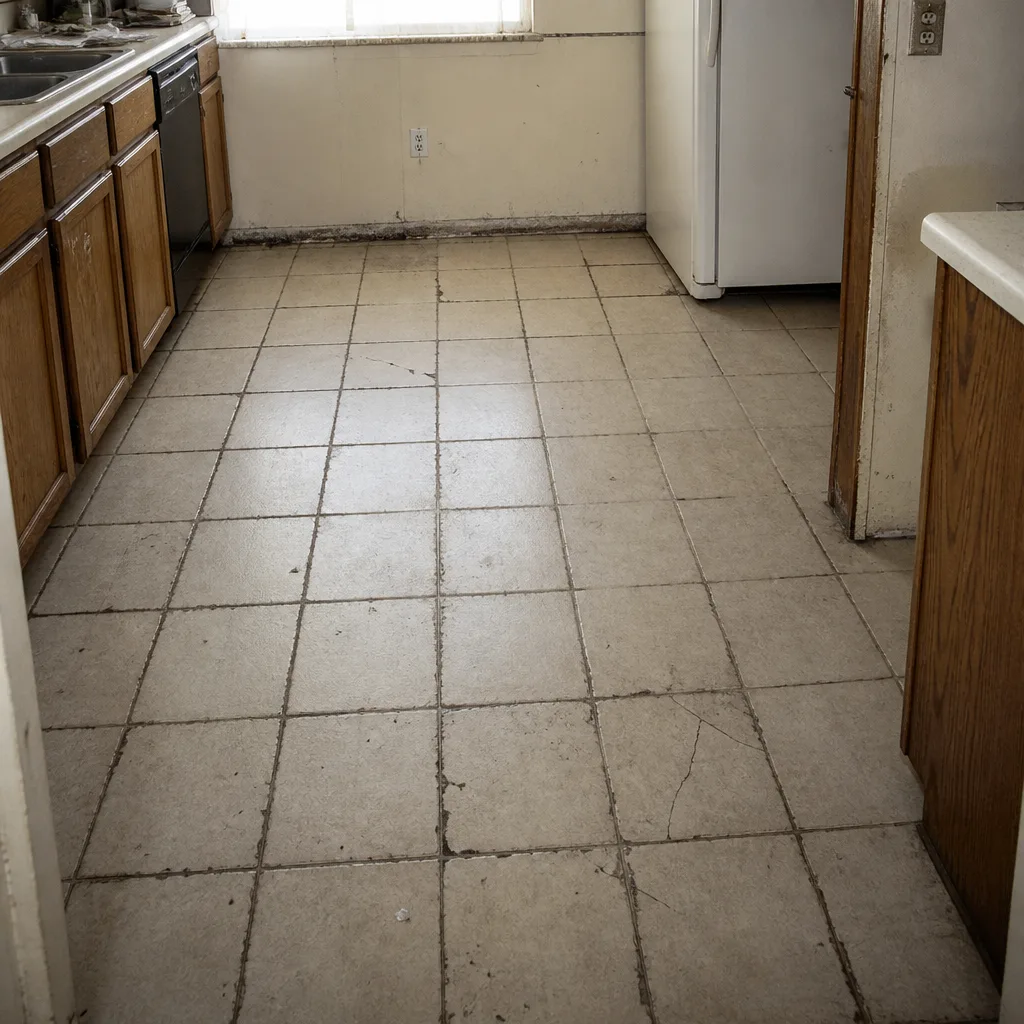 Before
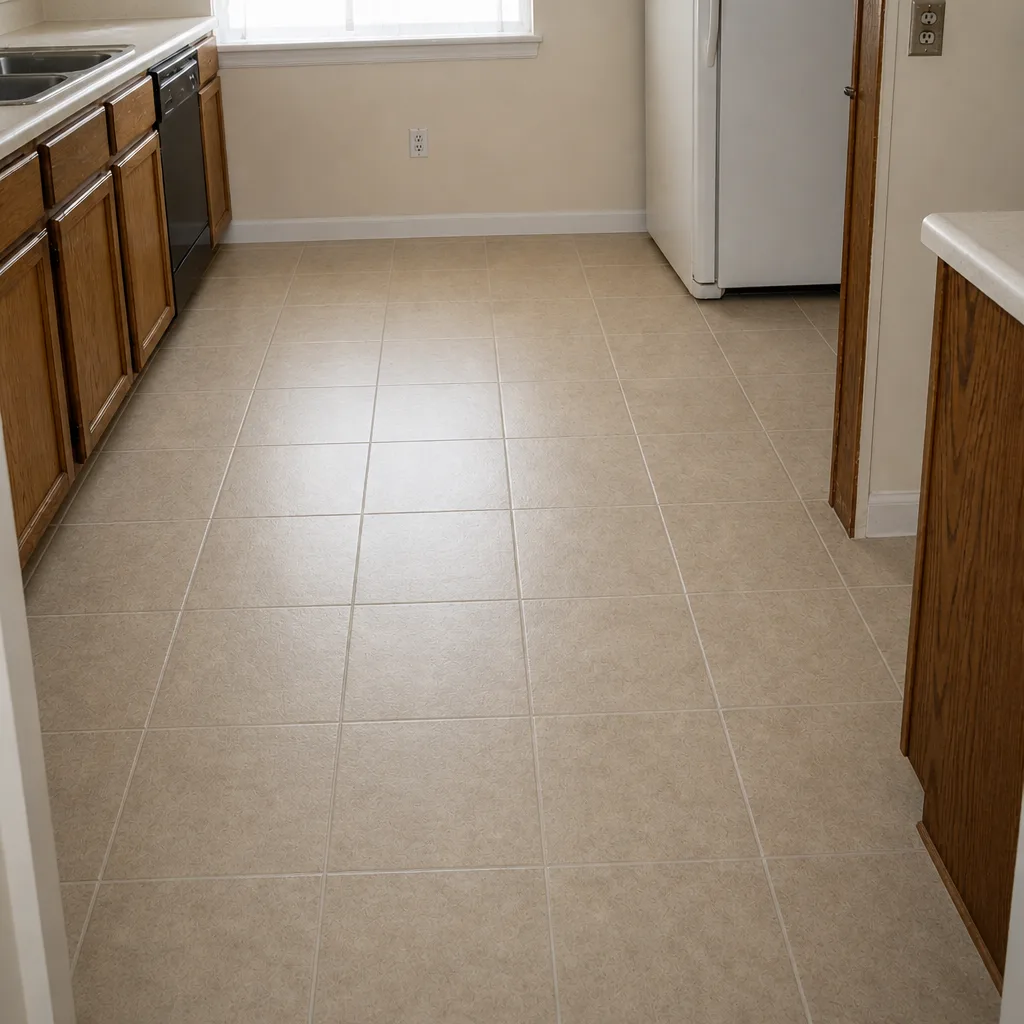 After
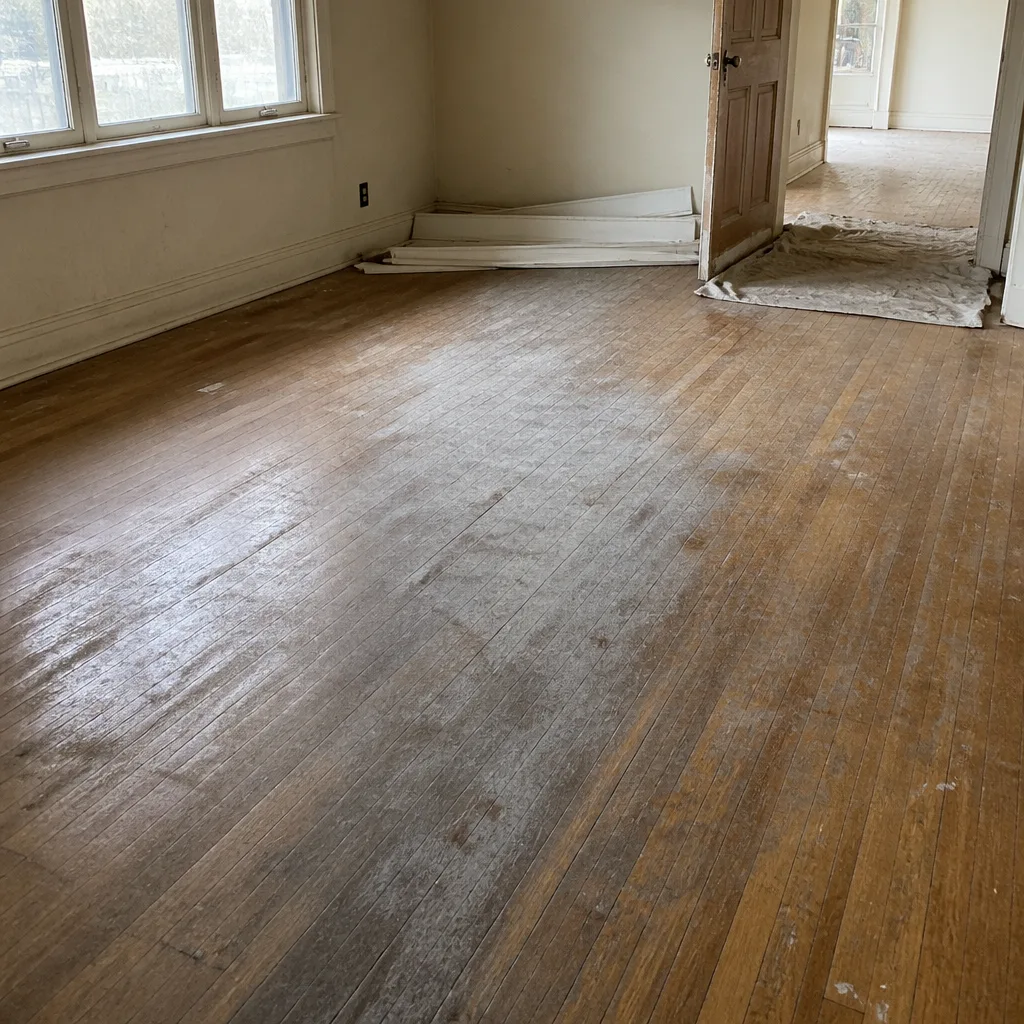 Before
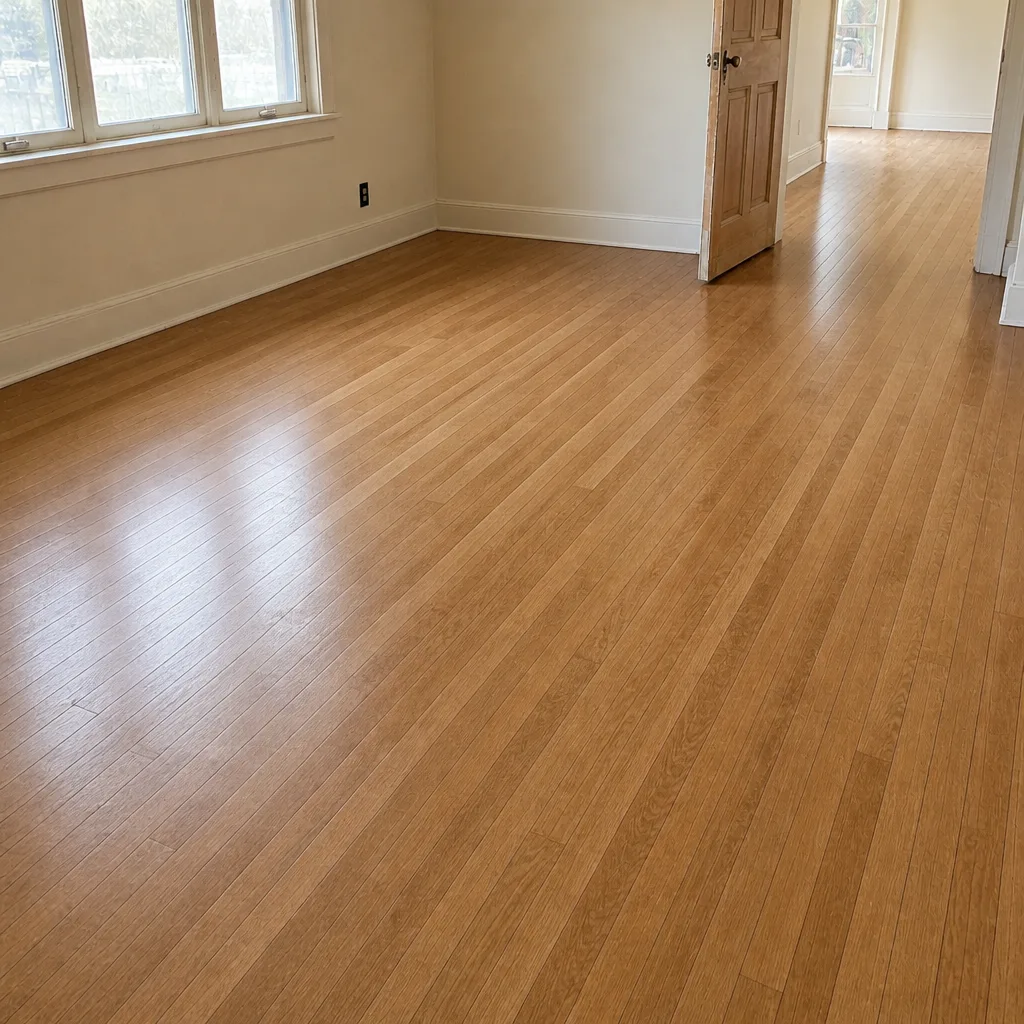 After
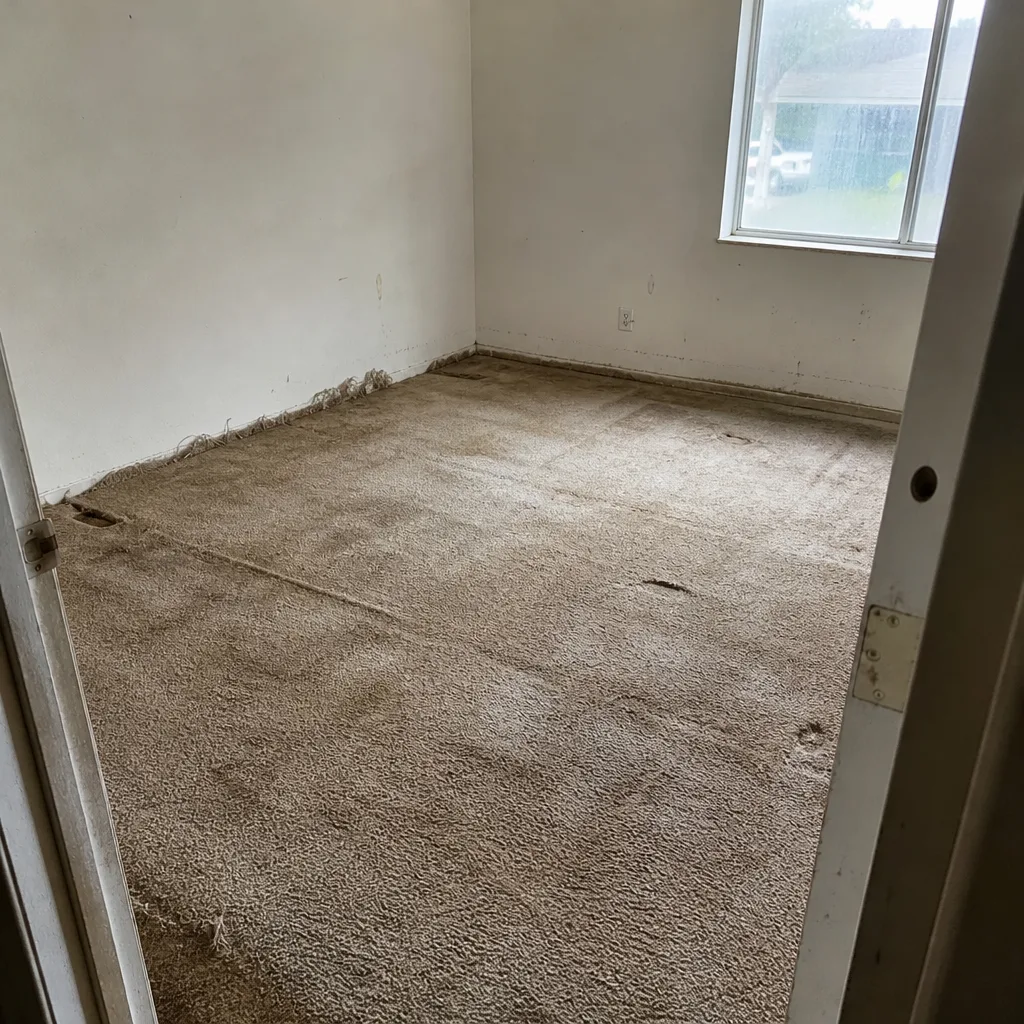 Before
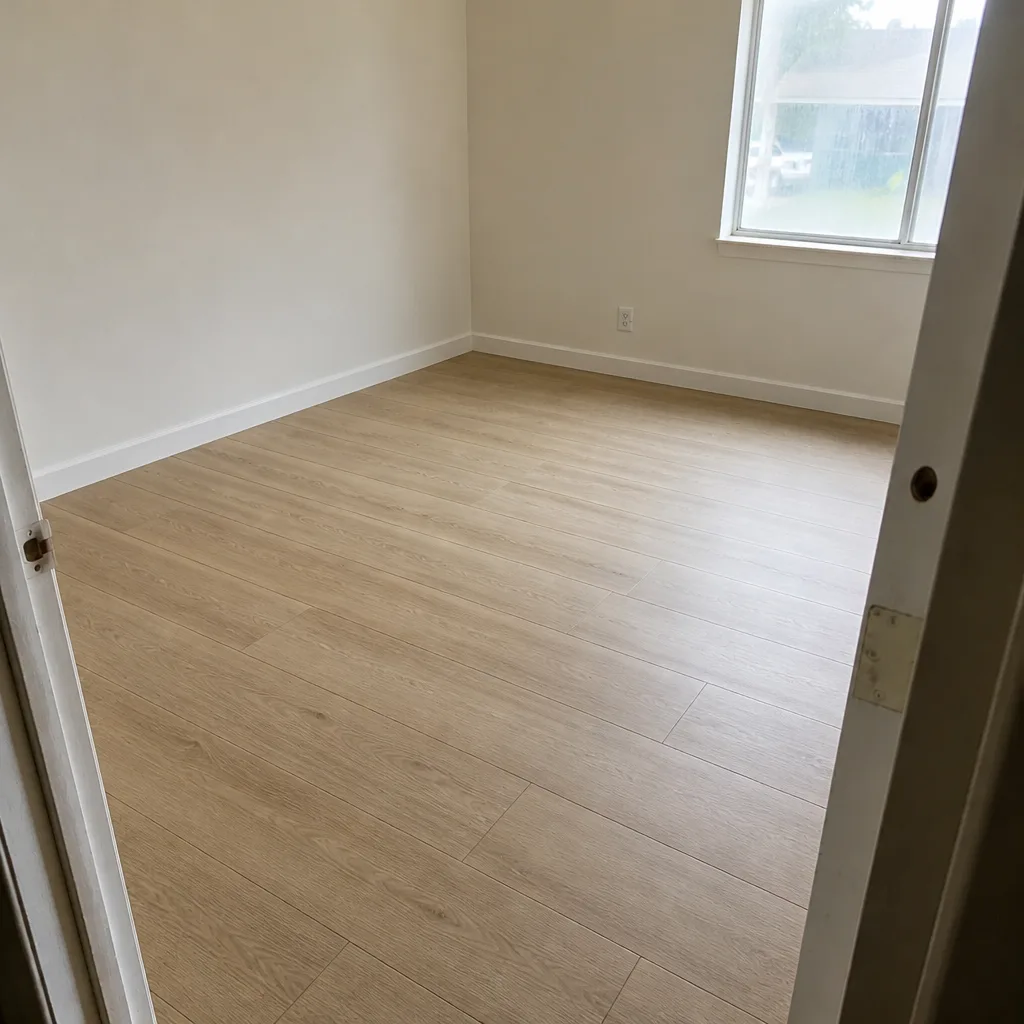 After
Frequently Asked Questions
For a west- or south-facing living room in Boulder City, choose a floor whose warranty explicitly covers high surface temperatures and direct sun, because standard residential products often don’t. Engineered hardwood or LVP rated for tougher conditions holds up better than entry-level resilient flooring in a sun-baked room. Confirm the temperature rating before you choose, and call (833) 842-8455 for an exact quote. Estimates are free.
Carpet still makes sense in most Boulder City bedrooms because it traps and releases desert dust better under vacuum and stays warmer on cold desert mornings. A tight low-to-medium pile manages dust better than deep plush. If HOA rules or preference point to hard flooring, a softer-underfoot LVP is a fair compromise. Call (833) 842-8455 to talk through bedroom options.
Large-format tile is usually the better bathroom choice in Boulder City because fewer grout lines mean less mineral staining in hard water and a surface that wipes down easily. Small mosaic looks great but carries far more grout to maintain. Large-format needs a flat substrate and careful slope planning, so it’s checked at the estimate. Call (833) 842-8455 for a free estimate.
No, not unless the product is specifically rated for outdoor or semi-exterior use, and most indoor LVP isn’t. A covered Boulder City patio sees temperature swings and dust that indoor plank isn’t rated to handle. Outdoor-rated porcelain or outdoor-rated LVP is the right path. Call (833) 842-8455 to plan a patio floor.
Pricing is set per job by a written estimate, so the cost of a room-by-room plan depends on the materials, room count and the prep each space needs. The estimate visit is where substrate, slope and sun exposure are checked in person and the written price is set. Book your free estimate by calling (833) 842-8455.
Often yes, if you choose a water-resistant LVP like COREtec or a tight-joint porcelain that handles moisture in both spaces. But the drainage and slope details differ between a kitchen and a laundry room with a floor drain, so both are planned at the estimate. Call (833) 842-8455 to schedule a free measure.
The Bottom Line
The right flooring decision in Boulder City is made room by room, not category by category. Kitchens and laundry rooms hinge on tight grout joints and hard-water maintenance. Living and dining rooms hinge on solar heat gain and whether a product’s warranty truly covers a sun-baked floor. Bedrooms still favor carpet for desert dust control. Bathrooms reward large-format tile and a properly planned drain slope. Covered patios need outdoor-rated material, never indoor LVP stretched past its rating. Match each product to how the room actually lives, coordinate tone across transitions, and you’ll avoid the callbacks that come from one floor forced into every space. We install carpet, tile and hardwood from a curated brand portfolio and refinish hardwood, so the whole home can be planned together. Start with a free estimate. Call (833) 842-8455. We answer 24/7. Fast dispatch from 7am to 7pm, Sunday through Friday. Visit Flooring Boulder City or our Boulder City page to learn more.
Written by the team at Flooring Boulder City.